


Armenian cuisine is known for its deep historical roots, rich flavors, and recipes that have been preserved and passed down through generations. Among the many beloved dishes in Armenian culinary tradition, pastries hold a special place. One such pastry is nazuk, a delicate and aromatic baked treat that perfectly reflects the warmth and hospitality of Armenian culture.
Nazuk is often described as a soft, buttery pastry filled with a subtly sweet crumb mixture. Its golden crust, tender layers, and fragrant filling create a unique texture that is both flaky and melt-in-your-mouth. While simple in appearance, nazuk represents centuries of tradition, family heritage, and regional pride.
For many Armenians, nazuk is more than just a dessert. It is a symbol of home, hospitality, and shared moments around the table. Whether served during holidays, family gatherings, or quiet afternoons with tea, this traditional pastry continues to bring people together.
In this article, we will explore the fascinating story behind Armenian nazuk—from its historical roots and cultural significance to its regional variations and traditional preparation methods.
What Is Nazuk?
Nazuk is a traditional Armenian pastry made from soft dough that is rolled with a sweet filling and baked until golden. Although the exact preparation may vary from region to region, the core idea remains the same: a tender dough combined with a crumbly, buttery sugar filling.
The pastry is typically made using simple pantry ingredients such as flour, butter, sugar, eggs, and dairy products like yogurt or sour cream. These ingredients come together to create a dough that is rich yet delicate.
After the dough is prepared, it is rolled out, spread with a sweet filling mixture, and shaped into spirals, logs, or layered pieces before baking. The result is a pastry that is lightly sweet, aromatic, and beautifully textured.
Taste and Texture
The flavor of nazuk is subtle rather than overly sweet. Its taste comes primarily from butter, sugar, and the gentle aroma of vanilla or other spices.
The texture can vary depending on the style of nazuk being made. Some versions are flaky and layered, while others are softer and more crumbly. In many traditional recipes, the filling consists of flour, butter, and sugar mixed together into a crumb-like consistency, which creates a delicate contrast with the soft dough.
When baked, the pastry develops a golden crust that is slightly crisp on the outside while remaining tender inside.
Visual Characteristics
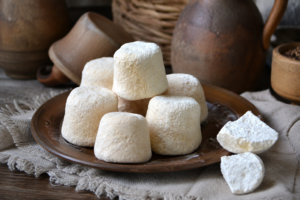
Nazuk is easily recognizable by its distinctive appearance. It may be shaped into spirals, rolled logs, or round discs that are later cut into slices.
The top of the pastry is often brushed with egg wash, giving it a glossy golden color after baking. Some bakers also score decorative lines or patterns into the dough before placing it in the oven. Occasionally, a light sprinkling of sugar is added to enhance the crust’s texture.
These small decorative touches highlight the care and craftsmanship that go into preparing this traditional pastry.
The Historical Origins of Nazuk
Roots in Armenian Culinary Tradition
Armenian cuisine is one of the oldest in the world, shaped by thousands of years of agricultural and cultural development in the Armenian Highlands. Bread and baked goods have always been central to Armenian food traditions, reflecting the importance of wheat cultivation in the region.
Nazuk likely evolved from these long-standing baking traditions. For centuries, Armenian families prepared bread, pastries, and sweets at home, using locally available ingredients such as flour, butter, dairy products, and honey.
These recipes were rarely written down. Instead, they were passed from generation to generation through hands-on teaching in the kitchen. Mothers and grandmothers would teach younger family members the techniques needed to knead dough, prepare fillings, and shape pastries.
Through this tradition of oral transmission, recipes like nazuk survived and flourished.
Regional Heritage
Although nazuk can be found across Armenia, it is particularly associated with the town of Gavar, located in the Gegharkunik region near Lake Sevan. The version known as Gavar nazuk is one of the most famous variations of this pastry.
In this region, nazuk is often made as a layered pastry with a generous crumb filling. The dough is rolled thin, spread with the filling, and folded or rolled before baking. The result is a pastry that combines crisp layers with a rich interior.
Other regions have developed their own variations, each reflecting local preferences and traditions.
Evolution Over Generations
Like many traditional foods, nazuk has evolved over time. As Armenians migrated to different parts of the world, they carried their culinary traditions with them.
In the Armenian diaspora, nazuk continues to be baked in homes, bakeries, and community gatherings. While some recipes remain almost unchanged, others have been adapted to suit new ingredients, modern kitchens, and contemporary tastes.
Despite these variations, the essence of nazuk remains the same—a pastry that connects generations through shared tradition.
Cultural Significance of Nazuk
A Symbol of Hospitality
Hospitality is one of the most important values in Armenian culture. Guests are always welcomed warmly and offered food as a sign of respect and generosity.
Nazuk is often served to visitors alongside tea or coffee. Its comforting flavor and inviting aroma make it a perfect treat to share during conversations and gatherings.
Offering homemade pastries like nazuk demonstrates care and thoughtfulness, reinforcing the strong sense of community that characterizes Armenian life.
Presence in Celebrations
Nazuk is commonly prepared for special occasions and celebrations. It may appear at family gatherings, religious holidays, weddings, or festive events.
During these celebrations, tables are often filled with a variety of traditional foods, both savory and sweet. Nazuk adds a comforting homemade element that reminds people of family traditions and childhood memories.
A Connection for the Armenian Diaspora
For Armenians living abroad, traditional foods play an important role in maintaining cultural identity. Preparing dishes like nazuk helps preserve a connection to heritage and homeland.
Many diaspora families continue to bake nazuk using recipes handed down from older relatives. Even when ingredients or techniques change slightly, the act of making the pastry keeps cultural traditions alive.
Regional Variations of Nazuk
Gavar Nazuk
The most famous version of the pastry comes from the town of Gavar. This variation features layered dough and a crumbly filling made from flour, butter, and sugar.
Gavar nazuk is often baked in large round shapes and cut into slices before serving. Its layered structure gives it a slightly crisp exterior and soft interior.
Artsakh Style
Another well-known version comes from the region of Artsakh. In this style, the dough may be richer, with more butter incorporated into the recipe.
The filling often emphasizes buttery flavor and may include additional spices such as vanilla or cinnamon.
Modern Interpretations
Modern bakers sometimes experiment with new variations of nazuk. Some add chopped nuts such as walnuts or almonds to the filling. Others incorporate cinnamon, cardamom, or vanilla sugar to enhance the aroma.
In certain bakeries, you may even find versions with chocolate or other creative twists. While these interpretations differ from traditional recipes, they demonstrate how classic dishes continue to evolve.
Key Ingredients That Define Nazuk
Flour
Flour forms the foundation of both the dough and the filling. Traditional recipes typically use wheat flour, which provides the structure necessary for the pastry.
The dough should be soft and pliable, allowing it to be rolled thin without tearing.
Butter
Butter is perhaps the most important ingredient in nazuk. It contributes to the pastry’s rich flavor and tender texture.
High-quality butter creates a more aromatic and flavorful result, which is why many traditional recipes emphasize using fresh, full-fat butter.
Sugar Filling
The filling mixture usually combines sugar, flour, and butter. When mixed together, these ingredients form a crumbly texture that melts slightly during baking.
This filling creates the distinctive sweet layers that make nazuk so enjoyable.
Yogurt or Sour Cream
Many recipes include yogurt or sour cream in the dough. These ingredients add moisture and tenderness, while also introducing a slight tang that balances the sweetness of the filling.
Flavorings
Although nazuk is traditionally mild in flavor, optional ingredients such as vanilla, cinnamon, or cardamom can enhance its aroma.
These additions vary depending on family traditions and regional preferences.
Traditional Preparation Process
Preparing the Dough
The first step in making nazuk is preparing the dough. Flour is mixed with butter, eggs, and yogurt or sour cream to create a soft, workable mixture.
The dough is kneaded gently until smooth and then allowed to rest. This resting period helps relax the gluten and makes the dough easier to roll.
Making the Filling
The filling is prepared separately by combining flour, sugar, and butter. The ingredients are mixed together until they form a crumb-like consistency.
This mixture should remain slightly coarse rather than completely smooth.
Rolling and Shaping
Once the dough has rested, it is rolled out into thin sheets. The filling is spread evenly across the surface.
The dough may then be rolled into a log, folded into layers, or shaped into spirals. The exact method depends on the regional style being used.
Baking
Before baking, the pastry is typically brushed with egg wash to create a glossy finish.
Nazuk is then baked in the oven until the crust becomes golden brown and the aroma of butter and sugar fills the kitchen. The finished pastry is allowed to cool slightly before being cut and served.
Serving and Pairing Nazuk
Traditional Serving Style
Nazuk can be served either warm or at room temperature. It is usually cut into slices, squares, or wedges depending on the shape in which it was baked.
The pastry’s delicate sweetness makes it suitable for both breakfast and dessert.
Popular Drink Pairings
Nazuk is often enjoyed with traditional Armenian beverages such as strong coffee or black tea. Herbal teas also complement its buttery flavor.
These pairings create a comforting combination that is perfect for relaxed gatherings.
Occasions for Serving
Although nazuk can be enjoyed at any time, it is especially popular during family visits, holiday celebrations, and afternoon tea.
Because it stores well, many families prepare large batches to share with guests over several days.
Nazuk in Modern Armenian Cuisine
Bakeries and Cafés
In Armenia today, nazuk is widely available in bakeries and cafés. Many establishments specialize in traditional pastries and offer freshly baked versions of this beloved treat.
These bakeries help preserve culinary traditions while introducing them to new generations.
Social Media and Food Culture
Food bloggers and culinary enthusiasts have also played a role in popularizing nazuk. Recipes, baking tutorials, and photos shared online have introduced this pastry to audiences around the world.
As a result, nazuk is gaining recognition beyond Armenian communities.
Reviving Traditional Recipes
In recent years, there has been growing interest in rediscovering traditional foods. Younger Armenians are learning family recipes and sharing them with wider audiences.
Nazuk is part of this revival, serving as a reminder of the importance of preserving cultural heritage through food.
Tips for Making Authentic Nazuk at Home
For those interested in baking nazuk at home, a few simple tips can help ensure success.
First, use high-quality butter whenever possible. Since butter is the dominant flavor in the pastry, its quality significantly affects the final result.
Second, avoid overworking the dough. Gentle handling helps maintain the tender texture that makes nazuk unique.
Chilling the dough before rolling can also make it easier to shape, especially in warm kitchens.
Finally, aim for balance in the filling. The pastry should be pleasantly sweet but not overwhelming.
Similar Pastries in Neighboring Cuisines
Nazuk shares some similarities with pastries found in other parts of the Caucasus and the Middle East. Many regional desserts combine layers of dough with sweet fillings.
However, nazuk stands apart due to its distinctive crumb filling and its characteristic balance of sweetness and buttery richness.
Unlike heavily syrup-soaked desserts, nazuk remains light and delicate, making it a unique part of Armenian culinary tradition.
Why Nazuk Remains a Timeless Armenian Pastry
Despite changes in cooking trends and modern lifestyles, nazuk continues to hold a special place in Armenian cuisine.
Its appeal lies in its simplicity. With only a handful of ingredients, it creates a comforting pastry that feels both homemade and elegant.
More importantly, nazuk carries emotional meaning. For many families, the aroma of freshly baked nazuk brings back memories of childhood, holidays, and time spent with loved ones.
These associations ensure that the pastry remains more than just a recipe—it is a living tradition.
Armenian nazuk is a beautiful example of how food can preserve culture, history, and identity. From its origins in traditional Armenian kitchens to its presence in modern bakeries around the world, this delicate pastry continues to bring people together.
Its buttery layers, subtle sweetness, and comforting aroma make it a beloved treat that transcends generations. Whether enjoyed with coffee during a quiet afternoon or shared at a festive celebration, nazuk reflects the warmth and hospitality that define Armenian culture.
For those who wish to experience a taste of Armenian heritage, baking nazuk at home offers a meaningful way to connect with a rich culinary tradition that has endured for centuries.
If you truly want to understand the magic of nazuk, the best way is to experience it in Armenia itself—where the aroma of freshly baked pastries, warm tea, and genuine hospitality create unforgettable memories. Feel free to contact us, and we’ll be happy to help you discover this delicious part of Armenian culture in person.

24 Responses
Bet117bet has a good selection of games and the site is easy to navigate. It’s a solid choice if you’re looking for a reliable place to bet. Give bet117bet a try!
Jilislotwin is all about the slots, man. If you’re a fan, this is your spot! Lots of different games and some seriously fun features. Hit up jilislotwin and spin to win!
Been keeping an eye on kqxsag for lottery results, and it’s been pretty spot on. Quick and reliable. Good resource to have! Check out kqxsag!
[2465]lucky7 Official Login | Fast Withdrawal Online Casino Malaysia,lucky7 offers a premium gaming experience. Download the apk for easy access to fast withdrawal slots and master baccarat game rules today. Join the action now! visit: lucky7
[1627]holiganbet Official Login | সেরা ক্যাসিনো বোনাস ও বিকাশ পেমেন্ট,holiganbet অ্যাপ ডাউনলোড করে সেরা অনলাইন ক্যাসিনো বোনাস পান। বিকাশ দিয়ে টাকা জমা ও স্লট গেম খেলার সহজ নিয়ম জানতে আজই জয়েন করুন। visit: holiganbet
Had a lucky streak here last night! The system is transparent and the wins feel legit. Can’t wait to go back to pk999win
Really impressed with the interface here. Everything is laid out perfectly and the loading speeds are impressive. Great spot for anyone looking for a reliable site. c333com
I’ve tried a few sites lately but this one is really smooth. The games load fast and the payouts are fair. Definitely my new favorite spot! phjili588
[7053]bong88comlink Đăng Nhập Chính Thức | Hướng Dẫn Nạp Tiền Nhanh,bong88comlink cung cấp link tải app apk tiện lợi cùng hướng dẫn luật chơi baccarat chi tiết cho người mới. Truy cập ngay để xem bóng đá trực tiếp miễn phí. visit: bong88comlink
Feeling like a real boss with the wins I’ve been getting here. The platform is secure and the gaming environment is just fantastic. Join the fun at jilibosslogin.
Super easy to get into the account and start playing. I like the layout and how easy it is to find the latest promotions. Check out jljl888login.
Finally found a platform that doesn’t lag during peak hours. The game variety is top notch and easy to navigate. pkwinpkr888
Honestly the best experience I have had in a long time. The rewards are fair and the gameplay is super addictive. Big fan of idminion178
Really honest platform with fair odds. I appreciate how transparent everything is here. Good luck to everyone playing! pk365lucky
Finally found a platform that actually pays out quickly. The interface is very user friendly and I love the variety of options here. Highly recommend vnmaxbet for everyone.
Downloading the app made a huge difference. Now I can play my favorite games anywhere on the go via jilikingapp.
Even though I am based in the states I love checking out regional platforms and this one stands out. The user interface is intuitive and the promotions are actually worth claiming. Great community feel and responsive team. betwayperu
[3090]Lucky login ph | legit online slots at mabilis na withdrawal,Gamitin ang lucky login ph para sa legit online slots gcash. Alamin din kung paano maglaro ng baccarat at i-download ang app para sa mabilis na payout. visit: lucky
Very impressive selection of games and the local payment methods make everything so much easier. I am very satisfied with this service. vnneu88
Honestly the best experience I have had in a long time. The rewards are fair and the gameplay is super addictive. Big fan of idminion178
The live dealer games are top notch and feel just like a real casino. I always have a blast playing at vn66ffcasino.
Slots here are so exciting and the hit rate feels much better than other sites I’ve used. I’m feeling lucky today thanks to yunoslotapk.
Great vibes and even better rewards. I appreciate how they treat their regular players. Keep it up bdhi999!
[37]fantasino লগইন এবং অ্যাপ ডাউনলোড | সেরা অনলাইন স্লট গেম,fantasino লগইন করে সেরা অনলাইন স্লট গেম উপভোগ করুন। বিকাশ দিয়ে ক্যাসিনো ডিপোজিট এবং অ্যাপ ডাউনলোড করে আজই আপনার যাত্রা শুরু করুন। visit: fantasino