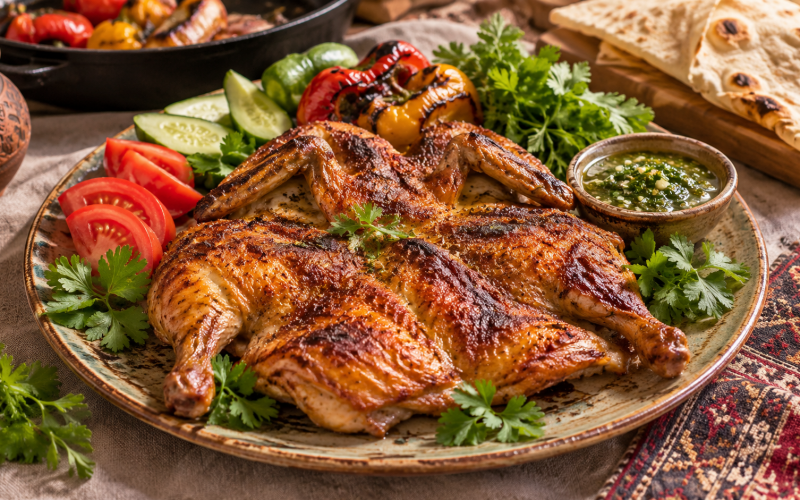
Armenian cuisine is famous for its rich flavors, fresh ingredients, aromatic herbs, and centuries-old culinary traditions. Among the dishes that deserve special attention is chicken tapaka, a flavorful poultry dish prepared by flattening a whole chicken and frying it under pressure until the skin becomes beautifully golden and crispy while the meat remains tender and juicy.
In Armavir, a region in western Armenia known for its agricultural heritage and traditional food culture, visitors can discover the flavors of Armenian home cooking and regional hospitality. Chicken tapaka is an excellent example of the kind of dish that brings together simple ingredients, careful preparation, and an appreciation for the natural taste of quality meat.
Although chicken tabaka is widely associated with Georgian cuisine, similar preparations are enjoyed throughout the Caucasus. The Armenian interpretation can vary from one household or restaurant to another, with differences in seasonings, cooking fats, sauces, and serving traditions.
This guide explores the origins and characteristics of chicken tapaka, explains how to prepare it at home, and offers practical tips for achieving the crispy skin and juicy texture that make this dish so appealing.
What Is Chicken Tapaka?
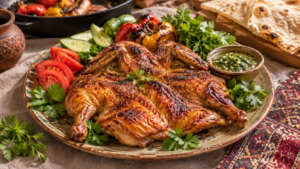
Chicken tapaka is a dish made from a whole chicken that has been split open, flattened, seasoned, and pan-fried under a heavy weight. The technique allows the chicken to cook in close contact with the hot cooking surface, helping the skin develop an even, golden-brown crust.
The result is a dish that combines several appealing qualities: crispy skin, tender meat, an inviting aroma, and a rich, savory flavor.
Unlike conventional roasted chicken, which cooks in an oven, tapaka is traditionally prepared in a frying pan. Applying pressure helps the chicken lie flat, allowing the heat to reach different parts of the bird more evenly.
The recipe does not require an elaborate list of ingredients. Chicken, salt, black pepper, and cooking oil can provide an excellent foundation. Garlic, butter, paprika, coriander, and fresh herbs may be added to create different flavor profiles.
The main secret lies in the preparation technique rather than in a complicated marinade. Properly flattening the chicken, drying its skin, controlling the temperature, and applying even pressure are essential for achieving excellent results.
The Culinary Traditions of Armavir and Armenia
Armavir is one of Armenia’s important agricultural regions. Located in the Ararat Plain, it is known for its fertile land, fruit orchards, vegetable cultivation, and long-standing farming traditions.
Agriculture has played an important role in shaping Armenian cuisine. Fresh vegetables, herbs, grains, dairy products, fruit, and meat form the foundation of many traditional meals. The availability of seasonal ingredients has encouraged cooks to develop dishes that emphasize natural flavors rather than relying exclusively on complicated sauces or elaborate seasoning mixtures.
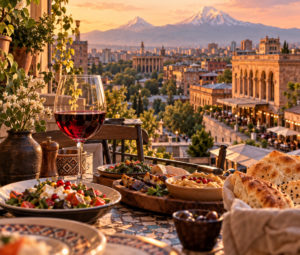
Armenian food culture also places great importance on hospitality. Meals are often shared with family and friends, and the table may feature several dishes, including grilled or roasted meat, fresh salads, bread, herbs, and homemade sauces.
Chicken tapaka fits naturally into this culinary setting. Its straightforward preparation makes it suitable for home cooking, while its attractive appearance and distinctive texture make it an appealing choice for a festive meal.
It is important to recognize that recipes vary across Armenia, including in Armavir. There is no single universally standardized formula for an Armavir-specific version of chicken tapaka. Local cooks may adapt the seasoning, cooking method, and accompaniments according to family traditions and personal preferences.
Nevertheless, the broader Armenian culinary context provides an excellent way to appreciate the dish: fresh ingredients, generous hospitality, and a focus on satisfying, well-prepared food.
The Origins and History of Chicken Tapaka
Chicken tapaka belongs to a broader Caucasian culinary tradition in which a flattened chicken is fried under pressure. The dish is particularly well known as Georgian chicken tabaka, but similar techniques and preparations have become familiar across neighboring regions.
The name is commonly associated with the tapa, a traditional type of heavy frying pan used to cook the chicken. The weight placed on top helps maintain contact between the meat and the hot surface.
Over time, the dish became popular in restaurants and home kitchens throughout the former Soviet Union and beyond. Its appeal comes from the combination of an uncomplicated recipe and a cooking method that produces a distinctive texture.
Regional interpretations can differ in the use of garlic, herbs, spices, and sauces. Some cooks prefer a minimal seasoning that allows the taste of the chicken to dominate, while others finish the dish with garlic butter or serve it with a flavorful sauce.
When discussing Armenian chicken tapaka, it is useful to distinguish the shared Caucasian cooking technique from claims about a specific regional origin. The broader history of the dish is better documented than a unique historical recipe belonging exclusively to Armavir.
Essential Ingredients for Armavir Chicken Tapaka
One of the advantages of chicken tapaka is that it can be prepared with ingredients readily available in most kitchens.
Chicken
A small or medium-sized whole chicken is generally the best choice. A bird weighing approximately 800 g to 1.2 kg is convenient for pan-frying because it can be flattened easily and cooked relatively evenly.
A smaller chicken also tends to fit more comfortably into a standard frying pan. Larger birds may require a wider pan, more cooking time, or a final stage of cooking in the oven.
Fresh chicken is suitable, but properly thawed frozen chicken can also produce excellent results. The important thing is to ensure that the chicken is completely thawed before cooking.
Salt and Black Pepper
Salt enhances the natural flavor of the meat, while freshly ground black pepper adds gentle warmth and aroma.
Seasoning should be distributed evenly over both sides of the chicken. Allowing the salted chicken to rest in the refrigerator before cooking can improve flavor and help the surface dry.
Garlic
Garlic is a popular addition to many Caucasian-style chicken dishes. It provides a distinctive aroma and complements the rich flavor of fried poultry.
For the best result, garlic can be added near the end of cooking or incorporated into a finishing sauce. Adding minced garlic too early over high heat may cause it to burn and develop a bitter taste.
Cooking Oil or Butter
Vegetable oil with a relatively high smoke point is suitable for frying. Butter contributes richness and flavor but can burn when exposed to prolonged high heat.
One practical approach is to fry the chicken in vegetable oil and add a small amount of butter toward the end. This combination helps produce a crisp exterior without sacrificing the characteristic buttery aroma.
Herbs and Spices
Depending on the desired flavor, the chicken can be seasoned with paprika, ground coriander, or a small amount of other spices.
Fresh parsley, cilantro, and dill can be used as garnishes. These ingredients add freshness and visual appeal without overwhelming the flavor of the chicken.
For a simple, traditional-style preparation, it is best to begin with salt, pepper, and garlic before experimenting with additional seasonings.
How to Choose the Right Chicken
The quality and size of the chicken have a significant influence on the final result.
Look for poultry with intact skin, a fresh appearance, and no unpleasant odor. The skin should not be excessively wet, damaged, or torn.
A relatively small bird is easier to flatten and cook evenly. If the chicken is too large, the breast and legs may require different amounts of cooking time, making it more difficult to achieve crisp skin without drying out the thinner parts.
If using frozen chicken, thaw it safely in the refrigerator rather than leaving it at room temperature. Before preparation, remove excess moisture with paper towels.
Dry skin is particularly important for tapaka. When the surface contains too much moisture, the chicken may steam instead of browning effectively.
Equipment Needed to Prepare Chicken Tapaka
Traditional chicken tapaka is cooked in a heavy frying pan with a weight placed on top. A dedicated tapaka pan is useful, but it is not essential.
A heavy cast-iron skillet or another sturdy frying pan can work well. The pan should be large enough to accommodate the flattened chicken without folding its edges.
A suitable weight or press is equally important. A heavy, heat-resistant lid or another purpose-designed cooking weight can help keep the chicken flat. Any cookware used as a weight must be stable and suitable for high temperatures.
Other useful tools include:
- A sharp knife or poultry shears for cutting along the backbone.
- A sturdy cutting board.
- Kitchen tongs for turning the chicken.
- Paper towels for drying the skin.
- A meat thermometer for checking doneness.
If a suitable press is unavailable, the chicken can still be cooked in a heavy pan, although the results may be less uniform.
Preparing the Chicken Before Frying
Proper preparation is essential for achieving the characteristic texture of tapaka.
Step 1: Flatten the Chicken
Place the chicken breast-side down on a stable cutting board. Using poultry shears or a sharp knife, cut along one side of the backbone and then along the other side to remove it.
Open the chicken like a book and turn it breast-side up. Press firmly on the breastbone until the bird lies relatively flat.
The goal is to make the chicken as even in thickness as possible without unnecessarily damaging the skin or bones.
Flattening increases the area of contact between the chicken and the frying pan. This helps the skin brown more evenly and reduces the likelihood that some parts will cook much faster than others.
Step 2: Dry the Surface
Pat the chicken thoroughly with paper towels, paying particular attention to the skin and the folds around the legs and wings.
Avoid rinsing raw poultry, as splashing water can spread bacteria around the kitchen. If the chicken needs cleaning, remove visible debris with a paper towel and dispose of it safely.
After handling raw poultry, wash your hands and clean any surfaces and utensils that have come into contact with it.
Step 3: Season the Chicken
Rub salt and black pepper over both sides of the bird.
For additional flavor, a small amount of ground coriander or paprika can be added. However, avoid excessive seasoning if the aim is to highlight the natural taste of the chicken.
Let the seasoned chicken rest in the refrigerator for approximately 30 minutes to several hours, depending on your preparation schedule. For improved browning, leave it uncovered in the refrigerator if space and food-safety conditions permit.
Before frying, check that the skin is still dry.
Traditional Chicken Tapaka Recipe: Step by Step
This recipe provides a practical home-cooking version of Caucasian-style chicken tapaka using ingredients that are easy to find. It is suitable for readers who want to recreate the dish while leaving room for regional and family variations.
Ingredients
For one small whole chicken, approximately 800 g to 1.2 kg, you will need:
- 1 whole chicken, flattened.
- 1–1.5 teaspoons of salt, adjusted to taste.
- ½ teaspoon of freshly ground black pepper.
- 2–3 tablespoons of vegetable oil.
- 3–4 garlic cloves.
- 20–30 g of butter, optional.
- Fresh parsley or cilantro for serving.
Paprika and ground coriander may be added if desired.
Step 1: Heat the Pan
Place a heavy frying pan over medium heat and add the vegetable oil.
Allow the pan to heat thoroughly before adding the chicken. The oil should be hot enough to begin frying immediately but should not smoke excessively.
A pan that is too cool may produce greasy skin, while excessive heat can burn the exterior before the meat is cooked through.
Step 2: Place the Chicken in the Pan
Place the chicken skin-side down in the hot pan.
Position it carefully so that the legs and wings do not fold underneath the body. Place a suitable heavy press or lid over the chicken to maintain contact with the cooking surface.
Reduce the heat if the skin begins browning too quickly.
Step 3: Fry Until the Skin Is Golden
Cook the chicken skin-side down for approximately 15–25 minutes, depending on its size, thickness, and the temperature of the pan.
Avoid lifting the chicken repeatedly. Allowing the skin to remain in contact with the pan helps it develop an even crust.
Check the edges occasionally to ensure that the skin is browning without burning.
Step 4: Turn the Chicken
Carefully remove the weight and turn the chicken using sturdy kitchen tongs or a spatula.
Return the weight to the top and continue cooking for approximately 15–25 minutes, or until the chicken is fully cooked.
These times are estimates rather than guarantees. Larger birds and lower cooking temperatures may require additional time.
If the skin is already golden but the meat is not yet cooked, lower the heat and continue cooking gently. The chicken can also be transferred to an oven-safe dish and finished in a preheated oven.
Step 5: Add Garlic and Butter
Toward the end of cooking, add the butter if using it.
Add finely chopped or lightly crushed garlic during the final few minutes, allowing its aroma to develop without letting it burn.
Alternatively, prepare a garlic-butter mixture separately and brush it over the chicken after frying. This approach provides greater control over the garlic’s flavor and reduces the risk of bitterness.
Step 6: Check That the Chicken Is Fully Cooked
The chicken should be thoroughly cooked at the thickest parts of the breast and the innermost parts of the thigh.
Use a food thermometer to confirm that the internal temperature has reached at least 165°F (74°C) in the relevant thickest areas, avoiding contact with bone when taking the reading.
Color alone is not a reliable indicator of doneness.
Once cooked, allow the chicken to rest for several minutes before serving. This helps the juices settle and makes the meat easier to portion.
Step 7: Serve Immediately
Transfer the chicken to a serving platter and garnish with fresh herbs.
Serve while the skin is still crisp. If the chicken needs to stand before serving, avoid covering it tightly, as trapped steam can soften the crust.
The Secrets to Perfectly Crispy Skin
The most appealing feature of chicken tapaka is its contrast between crispy skin and juicy meat. Achieving this balance depends on several factors.
Keep the Skin Dry
Moisture is one of the main obstacles to browning. When water remains on the surface, energy is used to evaporate it before the skin can develop a crisp crust.
Thoroughly drying the chicken before cooking is therefore one of the simplest and most effective ways to improve the result.
Apply Even Pressure
The weight helps the chicken remain flat against the pan. Without sufficient contact, some areas may brown while others remain pale.
The pressure should be distributed evenly. A stable, suitably sized press is preferable to an improvised weight that may slide or press unevenly.
Control the Temperature
Medium heat is generally a good starting point. The temperature may need to be adjusted during cooking to prevent burning and allow the meat to cook through.
Very high heat can create a dark exterior before the center reaches a safe temperature. Heat that is too low can make the skin less crisp and increase the amount of oil absorbed by the surface.
Avoid Excessive Marinade
Liquid marinades can add flavor, but too much moisture on the skin can interfere with browning.
If using a marinade, remove excess liquid before frying. Dry seasonings or a light coating of oil are often more convenient for a crispy preparation.
Do Not Rush the Final Stage
After cooking, give the chicken a few minutes to rest. However, avoid leaving it covered in a way that traps steam against the skin.
For the best texture, serve the chicken as soon as practical after resting.
Popular Variations of Chicken Tapaka
Although the basic technique remains similar, cooks can adapt the recipe to suit different preferences.
Classic Salt-and-Pepper Tapaka
The simplest version uses salt, black pepper, and a small amount of oil.
This preparation is ideal for anyone who wants to appreciate the natural flavor of the chicken and the contrast between its crisp skin and tender meat.
Fresh herbs and a little garlic can be added at the end without changing the dish’s straightforward character.
Garlic Butter Tapaka
Garlic butter gives the chicken a richer aroma and a more pronounced savory flavor.
Melt butter gently, add finely chopped garlic, and warm the mixture briefly. Brush it over the cooked chicken or serve it separately as a sauce.
Adding the garlic near the end prevents it from burning during the prolonged frying stage.
Herb and Spice Tapaka
For a more aromatic version, combine black pepper, paprika, and a modest amount of ground coriander.
Fresh parsley or cilantro can be sprinkled over the chicken immediately before serving.
The balance of seasonings is important. A successful tapaka should retain its characteristic fried-chicken flavor rather than becoming dominated by a heavy spice mixture.
Oven-Finished Tapaka
Oven finishing is a useful option when the chicken is browning too quickly or when the bird is larger than the pan can comfortably accommodate.
Begin by browning the chicken in a skillet, then transfer it to a suitable oven-safe dish and finish cooking in a preheated oven.
The cooking time will depend on the size of the chicken and the oven temperature. Always verify doneness with a meat thermometer.
What to Serve with Armavir Chicken Tapaka
Chicken tapaka can be served as the centerpiece of a meal accompanied by fresh vegetables, bread, herbs, and a flavorful sauce.
Fresh Vegetable Salad
Tomatoes, cucumbers, sweet peppers, and onions provide a refreshing contrast to the rich chicken.
A simple dressing of vegetable oil, lemon juice, salt, and fresh herbs is often sufficient. The acidity and freshness of the vegetables help balance the crisp, savory meat.
Armenian Lavash
Lavash is a traditional Armenian flatbread that can accompany many meat dishes.
It can be served alongside the chicken or used to wrap pieces of meat with fresh herbs and vegetables.
Its mild flavor complements the chicken without competing with the seasoning.
Grilled Vegetables
Grilled eggplant, peppers, zucchini, and tomatoes make excellent accompaniments.
Their smoky flavor complements the browned skin, while their natural sweetness adds another dimension to the meal.
Seasonal vegetables are particularly suitable for a meal inspired by Armenia’s agricultural traditions.
Potatoes and Rice
Roasted potatoes, boiled potatoes with herbs, or a simple rice dish can make the meal more substantial.
For a lighter menu, serve smaller portions of the starch alongside a generous salad.
Garlic and Herb Sauce
A garlic sauce can be prepared using yogurt, crushed garlic, salt, and fresh herbs.
Another option is a simple mixture of garlic, oil, and herbs. The choice depends on whether you prefer a creamy accompaniment or a lighter sauce.
Serve the sauce separately to preserve the crispness of the chicken skin.
Armavir Chicken Tapaka and Georgian Chicken Tabaka: Understanding the Difference
Chicken tabaka is particularly associated with Georgian cuisine, where the flattened chicken is traditionally fried under pressure. The dish is also familiar in Armenia and other parts of the Caucasus.
The basic techniques are very similar: split the chicken, flatten it, season it, and fry it under a weight.
Differences between individual preparations may include the choice of oil or butter, the use of garlic, the addition of herbs and spices, and the sauces served alongside the chicken.
It is important not to assume that every Armenian preparation represents a completely separate recipe or that all versions follow one standardized regional formula.
In practice, a restaurant’s version may reflect the chef’s training, family traditions, available ingredients, and personal interpretation.
For travelers, this is part of the appeal of exploring regional cuisine. The same general cooking technique can produce different experiences depending on the ingredients, accompanying dishes, and setting in which the meal is enjoyed.
Nutritional Value of Chicken Tapaka
Chicken is a valuable source of protein and provides several essential nutrients. However, the nutritional value of chicken tapaka depends on the cut of meat, the size of the portion, the amount of oil or butter used, and the accompanying dishes.
The skin contributes fat and calories, while additional cooking oil and butter increase the dish’s overall energy content.
For a lighter preparation, consider the following adjustments:
- Use a moderate amount of oil and avoid adding unnecessary extra fat.
- Choose fresh herbs and spices to build flavor without relying on heavy sauces.
- Serve the chicken with fresh vegetables or a seasonal salad.
- Offer rich sauces separately so that diners can control the amount they use.
These changes allow the dish to retain its distinctive character while accommodating different preferences.
Food Safety, Storage, and Reheating
Proper food handling is important when preparing any poultry dish.
Keep raw chicken refrigerated until preparation, and thaw frozen poultry safely in the refrigerator. Use separate utensils and cutting boards for raw poultry and ready-to-eat foods, or wash them thoroughly between uses.
Cook the chicken until the thickest parts reach an internal temperature of at least 165°F (74°C).
If there are leftovers, refrigerate them within two hours of cooking, placing them in shallow, covered containers. Cooked chicken can generally be stored in the refrigerator for three to four days.
To reheat, use an oven or skillet rather than a microwave if preserving the crisp skin is a priority. Reheat leftovers until the internal temperature reaches 165°F (74°C).
Although reheating may restore some crispness, freshly cooked chicken usually provides the best texture.
Bringing Restaurant-Quality Tapaka into Your Home Kitchen
Preparing chicken tapaka at home does not require professional equipment or advanced culinary skills. The most important elements are a suitable chicken, a heavy pan, a stable weight, and careful control of the cooking temperature.
Start with a relatively small bird and a simple seasoning of salt and black pepper. Focus on flattening the chicken evenly, drying the skin, and allowing enough time for the exterior to brown properly.
Once the basic technique is mastered, experiment with garlic butter, fresh herbs, and different accompaniments.
Presentation also matters. Place the golden chicken on a large platter, garnish it with fresh herbs, and arrange tomatoes, cucumbers, peppers, or grilled vegetables around it. Serve lavash and sauces separately so that the skin remains crisp.
The result is a satisfying dish that can turn an ordinary dinner into a meal inspired by the culinary traditions of the Caucasus.
Discover the Flavors of Armavir Chicken Tapaka
Armavir chicken tapaka offers an appealing introduction to the rich and varied food culture of Armenia. Its charm lies in the simplicity of its ingredients and the precision of its preparation: a flattened chicken, a hot pan, carefully controlled heat, and enough pressure to create a beautifully browned exterior.
While the dish shares its fundamental technique with the wider Caucasian tradition of chicken tabaka, individual recipes reflect the creativity of local cooks and the diversity of regional food culture.
Whether prepared at home with a simple seasoning or enjoyed in a restaurant with fresh vegetables, aromatic herbs, and traditional Armenian bread, chicken tapaka is a wonderful example of how straightforward ingredients can produce a memorable meal.
Come to Armenia and discover the authentic flavors of Armavir chicken tapaka! Experience Armenian hospitality, enjoy the country’s rich culinary traditions, and taste this delicious dish where the warmth of local culture makes every meal special.