

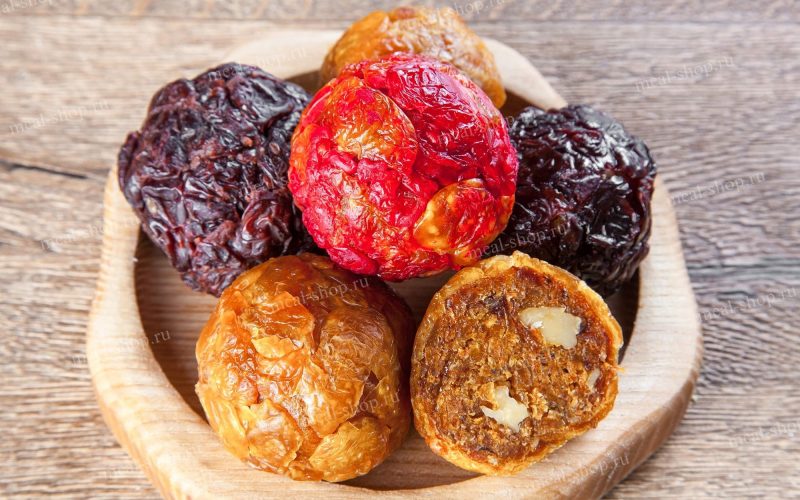
Armenian cuisine is a rich tapestry of flavors and traditions, reflecting centuries of history, diverse landscapes, and cultural exchanges. Known for its hearty meals, aromatic herbs, and unique combinations of nuts, fruits, and spices, Armenian food offers a distinctive culinary experience that resonates with warmth and hospitality. Among the various elements of this cuisine, desserts hold a special place. Sweet treats are not merely an afterthought; they are an essential part of Armenian social life, celebrations, and family traditions. From honey-soaked pastries to nut-stuffed delights, Armenian sweets are often crafted with care, symbolizing joy, prosperity, and the richness of life.
Within this array of confections, Alani stands out as a particularly cherished dessert. Revered for its delicate flavors and artisanal preparation, Alani has earned the reputation of being a “sweet treasure” of Armenian culinary heritage.
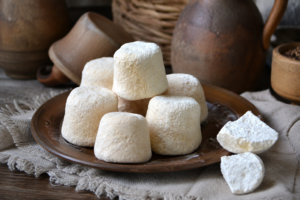
Alani is a traditional Armenian dessert made primarily from dried apricots, sugar or honey, and often enhanced with nuts, spices, or aromatic flavorings. Its texture is soft yet slightly chewy, offering a natural sweetness balanced by the tartness of apricots. The taste is comforting, nuanced, and distinctively Armenian, reflecting the region’s abundant fruit harvests and long-standing artisanal dessert-making traditions. Often presented during festive occasions, Alani is more than a dessert—it is a symbol of hospitality and a culinary link to Armenian history.
The History of Alani
Alani traces its roots back centuries in Armenia, a land historically abundant in apricot orchards. Apricots, native to the Armenian Highlands, were cultivated not only for immediate consumption but also for preservation. The earliest preparations of Alani likely emerged as a way to store these fruits through the winter months while turning them into a treat fit for celebrations.
Earliest references in Armenian cookbooks or oral tradition
Mentions of Alani appear in oral traditions passed down through generations, often referred to as “apricot sweets” in early culinary notes. While exact written references are scarce prior to the 19th century, family recipes recorded in regional cookbooks from Eastern and Western Armenia frequently describe dried apricots combined with sugar or honey, sometimes accompanied by walnuts or almonds.
Regional variations and influence of geography
The preparation of Alani varied across Armenian regions, influenced by local climates and ingredient availability. In the Ararat Valley, where apricots are particularly abundant, Alani is often made with larger, juicier apricots and a higher proportion of nuts. In the mountainous areas of Syunik or Lori, where the fruit is smaller and tarter, recipes may include additional honey or a sprinkling of cinnamon to balance flavors. This diversity demonstrates how geography shaped not only the taste but also the texture and presentation of Alani.
Cultural significance
Alani was traditionally associated with celebrations and communal gatherings. It was a common sweet prepared for weddings, religious holidays like Easter and Christmas, and harvest festivals marking the abundance of apricot season. Beyond its culinary appeal, Alani symbolized prosperity, hospitality, and familial care—offering guests a taste of the home’s warmth and the region’s bounty.
Evolution over time
Over centuries, Alani evolved in both ingredients and preparation methods. Originally, the dessert relied solely on naturally dried apricots and honey. With the influence of neighboring cuisines—Persian, Turkish, and Georgian—variations emerged that incorporated sugar syrups, rosewater, and more elaborate nut fillings. The technique of rolling apricot paste into small shapes or layering it with nuts reflects these cross-cultural culinary exchanges.
Anecdotes and historical stories
Alani is often mentioned in Armenian folklore and family memoirs as a mark of generosity. Historical accounts note that wealthy Armenian families would prepare large quantities of Alani to share during festive visits. In literature, travel journals from the 19th century describe Armenian households offering Alani to guests as a symbol of hospitality and refined taste. Several renowned Armenian chefs, especially those preserving family traditions in Yerevan and the provinces, have been celebrated for their unique takes on Alani, keeping this sweet heritage alive across generations.
Ingredients and Their Significance
Core Ingredients
The heart of Alani lies in its simple yet carefully chosen ingredients. The main components are dried apricots, sugar or honey, and nuts, each bringing not only flavor and texture but also cultural symbolism. Dried apricots are central due to Armenia’s long history of apricot cultivation—the country is even considered the birthplace of the fruit. Sweeteners such as sugar or honey enhance the natural fruit flavors, while nuts add richness and a satisfying crunch.
Seasonal and Local Availability
Apricots are typically harvested in late spring and early summer in regions like the Ararat Valley, Tavush, and Vayots Dzor. Nuts, including walnuts, almonds, and hazelnuts, are abundant in different provinces, with walnuts common in Lori and Tavush, almonds in Ararat, and hazelnuts in Shirak. The availability of these ingredients heavily influenced traditional Alani recipes, making each regional variation a reflection of the local harvest.
Optional or Regional Variations
Beyond the core ingredients, spices and additional sweeteners are often included. Cinnamon and cardamom add aromatic warmth, while some regions use rosewater or fruit syrups to enhance flavor. Nut combinations vary depending on family tradition and local availability, producing subtle differences in taste and texture. Honey is sometimes preferred over sugar, not just for sweetness but also for its symbolic associations with health and longevity.
Symbolic Meaning of Ingredients
Each ingredient carries cultural significance in Armenian tradition. Apricots symbolize fertility, abundance, and prosperity, making them ideal for weddings and harvest festivals. Nuts are associated with strength and health, and honey represents sweetness and goodwill toward guests. Together, the ingredients create a dessert that is both delicious and meaningful—a tangible expression of hospitality, care, and celebration.
Traditional Preparation Methods
Step-by-Step Preparation Process
- Preparing and Soaking Dried Fruits – Dried apricots are often soaked in warm water or light syrup to soften them, allowing easier blending and a smoother texture.
- Grinding or Chopping Nuts – Nuts are finely chopped or ground, sometimes toasted lightly to enhance aroma.
- Mixing Ingredients – Softened apricots are combined with nuts, sweeteners, and spices, then kneaded into a paste-like consistency.
- Shaping Alani – The mixture is shaped by hand, rolled into logs, pressed into molds, or formed into bite-sized pieces.
- Cooking or Baking – Depending on the recipe, Alani may be lightly baked or simply left to dry at room temperature, allowing flavors to meld.
Traditional Tools and Utensils
Traditional Armenian kitchens often used wooden mortars and pestles, wooden spoons, and special shallow pans. Mortars were essential for grinding nuts to the desired texture, while wooden spoons ensured gentle mixing without damaging the fruit. These tools contribute subtly to the dessert’s texture and flavor, maintaining a connection to ancestral methods.
Techniques Passed Down Through Generations
Hand-rolling, pressing, and layering techniques are considered family secrets. Experienced cooks often adjust the ratio of nuts, sugar, and apricots by feel rather than measurement, ensuring consistent texture. Subtle variations in rolling speed, thickness, or drying time can create noticeable differences in taste, which makes each family’s Alani uniquely theirs.
Regional Differences in Preparation
Eastern Armenia often emphasizes softer, sweeter Alani, with more sugar or honey, while Western Armenian variations are slightly tangier, highlighting the apricot’s natural tartness. Urban households may adopt simplified methods using modern mixers or ovens, whereas rural families continue with handcrafting and traditional drying techniques.
Modern Variations
Contemporary Recipes
Today, Alani has evolved beyond its traditional form. Modern recipes may reduce sugar for a health-conscious version, or fully replace sweeteners with agave or date syrups for vegan adaptations. Some chefs experiment by blending apricot with other fruits like figs, plums, or pomegranates, creating a fusion of flavors that honors Armenian tradition while appealing to global palates.
Presentation and Serving Styles Today
Alani is served in Armenian cafés, restaurants, and bakeries with decorative touches: dusting with powdered sugar, drizzling with chocolate, or layering with finely chopped nuts for visual appeal. In festivals, it is often presented in small, elegant portions on decorative plates, emphasizing its role as both a treat and a cultural symbol.
Commercial Production vs. Homemade
Industrial production ensures wider availability but often sacrifices texture, flavor depth, and artisanal techniques. Commercial Alani may rely on preservatives and standardized molds, while homemade versions retain the handcrafted touch and unique family flavors. Many Armenians still prefer homemade Alani for special occasions, valuing its authenticity and connection to heritage.
Alani in Armenian Traditions
Alani is more than a dessert; it is a central feature of Armenian celebrations and social life. Traditionally, it is prepared for weddings, New Year, Easter, and harvest festivals, serving as both a treat and a symbol of prosperity. Its preparation and presentation carry deep cultural meaning, reflecting Armenian hospitality, family values, and reverence for seasonal abundance.
Gift-Giving Traditions
Alani is often packaged and given as a gift during festivals or as a gesture of hospitality. Friends, relatives, and neighbors may exchange beautifully wrapped portions, symbolizing goodwill and shared joy. In some rural regions, large platters of Alani are brought to community gatherings or church celebrations, highlighting its communal significance.
Family and Community Rituals
Preparing Alani is traditionally a family activity, bringing together multiple generations. Children learn from elders, absorbing not only the techniques but also the cultural significance of the dessert. Rolling, shaping, and layering the apricot paste is a shared ritual that strengthens family bonds and passes down culinary heritage.
Symbolic Meanings
Alani’s ingredients carry symbolic weight. Its sweetness represents happiness and prosperity, while nuts and dried fruits symbolize abundance and fertility. Serving Alani to guests is a gesture of generosity, hospitality, and a wish for well-being, making it both a culinary and cultural emblem of Armenian life.
Step-by-Step Recipe Section
Ingredients List
- 500 g (1 lb) dried apricots (or fresh apricots if in season)
- 150 g (¾ cup) sugar or 100 g honey (alternatively, maple syrup for a vegan version)
- 100 g (1 cup) walnuts, chopped (or almonds/hazelnuts)
- ½ tsp cinnamon (optional)
- ¼ tsp cardamom (optional)
- 1–2 tbsp water (if needed to soften apricots)
Preparation Instructions
- Soak the Apricots – Place dried apricots in warm water for 30–60 minutes until soft. Drain and reserve a few tablespoons of the soaking water.
- Blend or Chop – In a food processor or with a mortar and pestle, blend the apricots into a smooth paste. If using nuts, chop them finely.
- Mix Ingredients – Combine apricot paste, chopped nuts, sugar or honey, and spices in a mixing bowl. Adjust consistency with reserved water if too thick. The mixture should be pliable but not sticky.
- Shape the Alani – Roll into small logs, balls, or press into a shallow dish to cut into squares. Lightly dust with powdered sugar or crushed nuts if desired.
- Optional Cooking – Some traditions lightly bake the Alani at 120°C (250°F) for 10–15 minutes to firm up the texture. Others prefer air-drying at room temperature for several hours.
Serving Suggestions
- Serve Alani on a decorative plate with tea, coffee, or Armenian fruit compote.
- It can be garnished with extra nuts, shredded coconut, or a drizzle of honey.
Troubleshooting Common Mistakes
- Too dry: Add a tablespoon of water or extra honey and knead until pliable.
- Too sticky: Dust hands with sugar or roll in finely chopped nuts.
- Uneven texture: Ensure apricots are thoroughly softened before mixing; pulse nuts carefully to avoid large chunks.
Alani, when made with care, embodies the warmth of Armenian tradition—its aroma, flavor, and texture all telling a story of family, festivity, and the rich heritage of the Armenian Highlands.
Pairing Alani with Armenian Culture
Suggested Drinks and Accompaniments
Alani is traditionally enjoyed with Armenian black tea, often brewed strong and served in small glasses, or with freshly prepared coffee, which complements the dessert’s natural sweetness and nutty undertones. During festive occasions, it is also paired with fruit compote made from local berries or apples, enhancing the seasonal flavors and providing a refreshing balance.
Cultural Experience of Eating Alani
Eating Alani is not simply about tasting a sweet; it is a shared experience that fosters connection and conversation. In family settings, it is served after a meal to mark a sense of closure and togetherness. In social gatherings, offering Alani demonstrates hospitality, generosity, and respect for guests, aligning with Armenian customs of welcoming others with care and abundance.
Rituals Around Serving Dessert
Serving Alani often follows a ritualized pattern: presented on decorative trays, sometimes with a sprinkle of powdered sugar or finely chopped nuts, and shared communally. During weddings or holidays, it is part of a larger dessert spread, symbolizing prosperity and a sweet start to new beginnings. The act of offering and sharing Alani reflects the Armenian philosophy of celebration through food, where every bite carries cultural meaning.
How Alani Reflects Armenian Culinary Philosophy
Alani embodies the central tenets of Armenian cooking: an emphasis on natural, locally sourced ingredients, respect for seasonal produce, and a commitment to hospitality. Its preparation showcases skill, patience, and artistry, while its consumption fosters connection and continuity across generations. Alani is a dessert that is both rooted in tradition and adaptable, reflecting Armenia’s culinary resilience and creativity.
Alani is more than a simple dessert—it is a sweet treasure of Armenian cuisine, embodying centuries of history, regional diversity, and family tradition. Its combination of dried apricots, nuts, and subtle spices highlights Armenia’s abundant harvests and artisanal culinary practices, while its symbolic meanings—prosperity, happiness, and hospitality—ensure its presence at life’s most important celebrations.
Making Alani at home is not only an opportunity to experience Armenian flavors firsthand but also to participate in a living tradition, connecting past and present. Each carefully crafted piece carries stories of family, culture, and the Armenian Highlands, offering both a delicious taste and a meaningful cultural journey.
Whether served at a festive gathering, shared as a gift, or enjoyed quietly with tea, Alani continues to shine as a testament to the artistry, warmth, and sweetness of Armenian culinary heritage.
Experience the magic of Armenian cuisine for yourself—come to Armenia and taste Alani, the sweet treasure that has delighted generations! Wander through vibrant markets, visit local bakeries, and savor this traditional delight straight from the heart of Armenian kitchens.
Don’t just read about it—come and taste the flavors of history, culture, and hospitality in every bite of Alani. Your journey through Armenia’s culinary heritage awaits!

17 Responses
[6018]m71 Official Login | সেরা অনলাইন স্লটস ও বিকাশ ক্যাশআউট,m71 প্ল্যাটফর্মে দ্রুত লগইন করে সেরা অনলাইন স্লটস উপভোগ করুন। অ্যাপ ডাউনলোড করে সহজেই বিকাশ দিয়ে ক্যাশআউট করার সুবিধা পান। আজই জয়েন করুন। visit: m71
[2647]gold88 | Link Vào Mới Nhất và Hướng Dẫn Chơi Baccarat Online,gold88 cung cấp link truy cập an toàn, hỗ trợ tải app chính thức và hướng dẫn nạp tiền qua Momo nhanh chóng. Khám phá kho slot game hấp dẫn ngay hôm nay! visit: gold88
[6507]Wellecasino – Login Chính Thức | Casino Trực Tuyến Uy Tín Số 1,wellecasino cung cấp link đăng nhập chính thức và hướng dẫn tải app APK nhanh chóng. Trải nghiệm Baccarat online cùng hệ thống nạp tiền qua Momo tiện lợi. Truy cập ngay! visit: wellecasino
I’ve been trying a few platforms lately and this one really stands out for its speed. Everything is smooth and easy to navigate. Definitely worth checking out ug234
Super easy to navigate and the registration process took me less than a minute. It’s refreshing to find a site like zuply that doesn’t overcomplicate things for the users.
Really liking the interface and how easy it is to deposit. It makes the whole gaming experience so much better. Give bd289bet a go!
The most reliable login page I have used so far. No lag and the connection is stable even on mobile data. Cheers to jili65login for the great service.
I was struggling to find the official link but zuma78login made it so easy. Everything works perfectly on my mobile browser.
Quick and easy access to all my favorite slots. No complicated steps just a straightforward login and straight to the wins! jilli777login
I’m really impressed with the bonuses they offer to new players. It gives you a great head start and the customer support is very helpful. Keep it up. phpanalo888
Honestly one of the best betting experiences I have had this year. The odds are competitive and the bonuses are actually useful. Check out bd007bet for a great time.
The best part about this site is how user friendly it is. Even a beginner can navigate it easily. I’m spending a lot of time on pk98pak lately.
The app version is a game changer. Much more convenient to play on the go than using a browser. Download 377betappapk for the best mobile experience.
This place has a great community and the games are fair. I’ve had a few big wins here already and the experience was top notch. pkx555com
[7971]Zorototo: Login Daftar Akun Slot Gacor Deposit Dana,Zorototo menyediakan akses login dan daftar akun mudah. Nikmati slot gacor deposit dana serta download apk slot terpercaya sekarang juga di sini. visit: zorototo
Finally found a reliable link that actually works without any glitches. The interface is very user friendly for Filipinos. Highly recommend pkjililink
[6425]8888 Login PH – Online Slots gamit ang GCash sa Pilipinas,Mag-8888 login ph para sa mabilis na access. I-download ang 8888 download apk at alamin kung paano maglaro ng baccarat. Mag-register na para makapagsimula. visit: 8888