

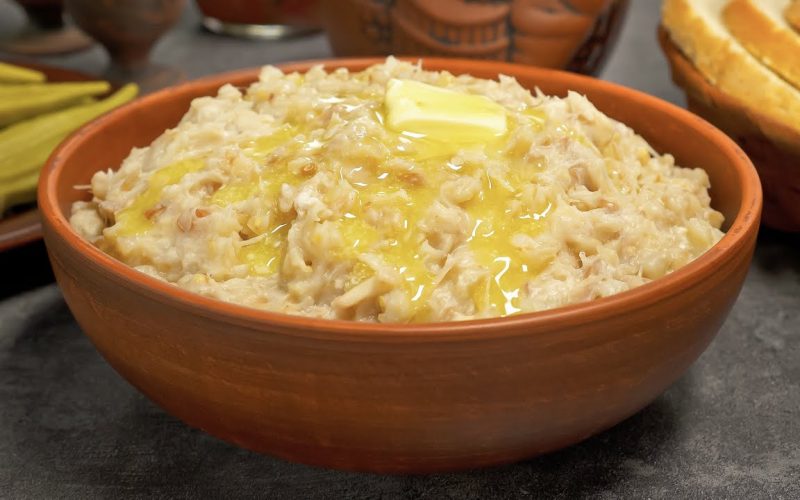
Imagine the aroma of simmering wheat and tender meat filling a warm, sunlit kitchen. The rich scent is earthy yet inviting, mingling with subtle notes of butter and cinnamon. As you lift the spoon, steam rises in soft swirls, revealing a creamy, porridge-like texture that promises nourishment and comfort in every bite. This is Harisa – a dish that is much more than food; it is a vessel of centuries of Armenian history, tradition, and love.
Harisa embodies the essence of Armenian culinary heritage. It is a dish that comforts the soul, brings families together, and serves as a testament to resilience, hospitality, and the enduring spirit of a culture that has thrived for millennia.
Historical and Cultural Background
Origins of Harisa
Harisa traces its roots back to the earliest periods of Armenian civilization. Historical texts and folklore reference this hearty dish as a staple during times of scarcity and celebration alike. Legends tell of its creation as a sustenance meal for communities during harsh winters, when nourishment was essential for survival. Ancient manuscripts, such as the chronicles of medieval Armenian monasteries, describe Harisa being served during religious feasts, emphasizing its role not just as food, but as a symbol of care and continuity.
Originally, Harisa was a simple yet powerful dish: wheat simmered slowly with meat, producing a creamy consistency that could sustain families through the cold months. Over time, it became a dish associated with hospitality and shared experiences, often gracing festival tables and family gatherings.
Cultural Significance
In Armenian households, Harisa is more than a meal—it is a tradition passed down through generations. Children watch their elders meticulously stir the wheat, learning the delicate balance of texture and flavor that defines the dish. Its preparation is an act of love and patience, a ritual that connects families to their ancestors.
Harisa is also deeply intertwined with Armenian hospitality. Serving a bowl to a guest is a gesture of warmth and respect, demonstrating generosity and care. The dish frequently appears during religious and seasonal festivals, from Easter celebrations to Christmas gatherings, symbolizing abundance, protection, and community.
Ingredients and Their Significance
Primary Ingredients
The foundation of Harisa lies in wheat or bulgur, a staple crop in Armenia. Wheat’s resilience and versatility mirror the enduring spirit of the Armenian people, providing both nourishment and a base for countless traditional dishes.
The second key ingredient is meat, typically chicken or lamb. Rich in protein, meat adds depth, flavor, and sustenance. Historically, the choice of meat depended on availability, with families using whatever was accessible to ensure no one went hungry.
Optional and Traditional Flavorings
Harisa is often enhanced with butter, which enriches its creamy texture, and cinnamon, which adds subtle warmth. Local spices, sometimes varying by region, lend unique aromatic notes to the dish. Each ingredient is carefully chosen not just for taste, but for its contribution to comfort and tradition.
Symbolism in Ingredients
The simplicity of Harisa’s ingredients reflects Armenian resourcefulness. Wheat and meat, combined with a few select seasonings, create a dish that is both humble and profound. It tells a story of survival, ingenuity, and the ability to transform basic elements into something deeply nourishing and symbolic.
Preparation Process
Traditional Method
Making Harisa is a labor of love. First, the wheat is soaked and cooked slowly until it begins to soften. Meanwhile, the meat is simmered for hours until it becomes tender, imparting its rich flavor to the grain. Finally, the ingredients are combined and stirred meticulously to achieve the iconic creamy consistency that defines Harisa. This slow-cooking method allows flavors to meld perfectly, resulting in a dish that is both hearty and delicate.
Modern Adaptations
While traditional preparation remains treasured, modern adaptations make Harisa more accessible. Pressure cookers and slow cookers significantly reduce cooking time without compromising flavor. Some families even create vegetarian versions, using legumes instead of meat while preserving the dish’s comforting texture.
Tips and Techniques
The key to perfect Harisa lies in patience and attention. Constant stirring ensures a smooth, creamy consistency, while careful seasoning balances richness and warmth. Many families have secret touches—a drizzle of homemade butter, a pinch of local spice—that make their Harisa uniquely theirs, keeping centuries of tradition alive in every bowl.
Harisa is more than a dish; it is a bridge between generations, a celebration of resilience, and a symbol of Armenian warmth and hospitality. With each spoonful, one tastes not just flavors, but history, culture, and the enduring spirit of a people who have cherished this humble yet profound dish for centuries.
Harisa as Comfort Food
Emotional Connection
For Armenians, Harisa is more than a meal—it is soul food. It carries memories of family kitchens, festive gatherings, and quiet moments during harsh winters. Many households have stories of entire families huddled around a steaming pot of Harisa, passing the spoon from elder to child, sharing laughter, conversation, and the warmth of togetherness. In these moments, Harisa is not just nourishment; it is a medium for connection, tradition, and love.
Sensory Experience
The sensory experience of Harisa is integral to its comforting nature. The aroma of slowly cooked wheat and tender meat, mingled with butter and cinnamon, fills the kitchen with a sense of anticipation. Its warmth in the bowl mirrors the warmth of home, while its creamy, smooth texture provides physical and emotional comfort. Each bite evokes nostalgia and safety, recalling childhood kitchens, the voices of grandparents, and the reassurance of familiar flavors.
Healing and Nourishing Qualities
Harisa is not only comforting but also restorative. Its combination of wheat and meat provides high nutritional value, including protein, fiber, and energy-rich carbohydrates, while its slow-cooked consistency makes it easy to digest. Traditionally, Armenians believed that Harisa could restore strength after illness, warm the body during cold winters, and provide resilience in times of fatigue. It is a dish that nourishes both body and soul, making it an enduring symbol of care and healing.
Harisa in Modern Armenian Life
Contemporary Popularity
Even today, Harisa retains its relevance. Restaurants and cafés across Armenia proudly serve it as a traditional specialty, often preparing it according to family recipes passed down through generations. The Armenian diaspora has also carried the tradition abroad, with families in the United States, Russia, and Europe keeping Harisa alive as a link to their cultural roots.
Culinary Festivals and Competitions
Harisa has earned recognition through culinary festivals and competitions, where chefs and home cooks alike celebrate the dish. These events honor the dish’s heritage while encouraging creativity and modern interpretations, ensuring that Harisa remains both a living tradition and a celebrated cultural emblem.
Cultural Preservation
Efforts to preserve Harisa extend beyond the kitchen. Cookbooks, video tutorials, and workshops document the preparation process, techniques, and stories associated with the dish. Schools and cultural centers teach younger generations about Harisa, not just as a recipe but as a cultural legacy, safeguarding centuries of tradition for the future.
Comparison to Other Global Comfort Foods
Similar Dishes in Other Cultures
Harisa belongs to a global family of comfort foods—hearty, warm dishes that provide nourishment and emotional reassurance. Comparisons can be drawn to Italian polenta, Middle Eastern porridge, or variations of Scottish haggis, each combining staple grains with protein and spices. Yet Harisa is uniquely Armenian, distinguished by its creamy texture, slow-cooked depth of flavor, and cultural rituals surrounding its preparation and consumption.
Global Appeal
With its rich flavor, comforting texture, and cultural story, Harisa has the potential to gain international recognition as a comfort food. Its simplicity, nutritional value, and adaptability to modern diets—such as vegetarian or quick-cooking versions—make it accessible to a global audience, offering the world not just a taste, but a glimpse into Armenian history, resilience, and community.
Harisa remains a testament to the enduring power of food to connect generations, nourish the body, and comfort the soul. Whether enjoyed in a family kitchen, at a festive gathering, or across continents in the Armenian diaspora, it carries the warmth of Armenia itself—a dish that is truly timeless.
Harisa is more than a simple dish—it is a living piece of Armenian history. From its ancient origins as a nourishing meal during harsh winters to its central role in family traditions and religious festivals, Harisa has endured as a symbol of hospitality, resilience, and community. Its humble ingredients—wheat, meat, butter, and spices—come together through slow, careful preparation to create a dish that is both hearty and comforting, embodying the emotional warmth of Armenian kitchens.
More than sustenance, Harisa nourishes the soul. It evokes nostalgia, safety, and the shared joys of family gatherings, offering both comfort and restoration. Its place in modern Armenian life—whether in home kitchens, restaurants, or cultural festivals—demonstrates the enduring relevance of this timeless recipe.
For those curious about Armenian culture, experiencing Harisa firsthand is a journey worth taking. Whether by tasting it in a traditional Armenian home or attempting the slow-cooked preparation yourself, Harisa offers a rare opportunity to connect with history, community, and the comforting flavors that have been cherished for centuries. In every steaming bowl lies not only nourishment but the heart and spirit of Armenia itself.
Come and experience the warmth, flavors, and tradition of Harisa for yourself—your taste of Armenia awaits!

29 Responses
Okay, I’ve been using rồng bạch kim.net for a bit now and it’s pretty good. The predictions are usually on point. Give it a shot rồng bạch kim.net.
I’m using ketqua net9 through Ketqua04.info. It’s my go-to place for quick lottery results. Saves me a ton of time. Check it out for yourself: ketqua net9
Alright, who knows about ‘giong bach kim’! I wonder if this site has benefits or even a community. Check out here: giong bach kim
[1512]6l777 Official Login | সেরা অনলাইন স্লট গেমস ও দ্রুত বিকাশ পেমেন্ট,6l777 অফিসিয়াল লগইন করে সেরা অনলাইন স্লট গেমস উপভোগ করুন। আমাদের অ্যাপ ডাউনলোড করুন এবং দ্রুত বিকাশ পেমেন্টের সুবিধা নিন। আজই যোগ দিন। visit: 6l777
[4138]Betili Official Login | সেরা অনলাইন ক্যাসিনো ও দ্রুত বিকাশ পেমেন্ট,betili এর অফিশিয়াল লগইন করে সেরা স্লট গেমের নিয়ম জানুন এবং বিকাশ পেমেন্টের মাধ্যমে দ্রুত লেনদেন করুন। আজই অ্যাপটি ডাউনলোড করে খেলা শুরু করুন। visit: betili
[4508]aq999 Official Login | সেরা অনলাইন ক্যাসিনো ও বিকাশ পেমেন্ট সাইট,aq999 অ্যাপ ডাউনলোড করে উপভোগ করুন সেরা অনলাইন স্লট গেম। বিকাশ পেমেন্টের সহজ সুবিধা ও নিরাপদ গেমিং অভিজ্ঞতা পেতে আজই জয়েন করুন। visit: aq999
[3340]hantam88 | Login Resmi Situs Slot Gacor Hari Ini Terpercaya,hantam88 menyediakan akses login resmi dengan pilihan download apk mudah. Temukan pola slot pragmatic play terbaru dan kemudahan deposit via dana. Daftar sekarang! visit: hantam88
Registering was a breeze and I started playing in less than two minutes. The bonuses for new players are actually worth it. aurahokidaftar is legit
[6159]09bet Official Login | অনলাইন ক্যাসিনো বোনাস ও দ্রুত বিকাশ পেমেন্ট,09bet-এ সহজ লগইন করে সেরা স্লট গেমের নিয়ম জানুন এবং অ্যাপ ডাউনলোড করে দ্রুত বিকাশ পেমেন্টের সুবিধা নিন। আজই জয়েন করুন। visit: 09bet
Super easy to get started and the sign up process took less than a minute. I am really enjoying the current promotions at yyycasinologin.
I love the bonuses they give to new players. It really helped me get started and build my balance. Big thanks to pkad7777 for the generosity.
The bonus offers here are just insane. I managed to double my initial deposit within an hour. You guys should really try bd09bte if you love rewards.
Quick download and even quicker setup. I’m really enjoying the gameplay and the community vibe here is just awesome 55ccombetbaixar
Best platform I have used in a long time. The payouts are fast and the games are fair. Highly recommend br3365bet to everyone.
Just pure fun and excitement. The animations are great and the win rate seems better than other sites I used before. Having a blast at phjilifun right now.
As a casual player from Manila I appreciate how easy this site makes my daily gaming routine. The slot games load quickly and the bonus rounds actually trigger without weird glitches. I love how the interface stays clean even during peak hours. It truly feels like a game room built with players in mind. phwz2game
I’ve been trying out a few platforms lately and this one really stands out. The interface is smooth and everything just works. Definitely worth checking out zh88com
The app is a game changer! I can play whenever I am on the go without any crashes. g777betapp is honestly the best way to play.
The most reliable way to access my account in the Philippines. The login is secure and the sports betting options are endless. Love it. Use 1xbetphilippineslogin
A really solid platform with a great selection of bets. Everything feels secure and the user experience is spot on br16betcom
I’ve tried a few platforms lately but this one is surprisingly smooth. The interface is very intuitive and the payouts are fast. Definitely worth a go! Check out pj777app
A very professional layout and the registration was a breeze. It is nice to find a platform that respects the users time. I am sticking with 365phlogin.
Super easy to navigate even for a beginner like me. I found everything I needed without any hassle. phjljl333 is definitely a solid choice for anyone.
Really great community and exciting gameplay. It is hard to find a site that balances fun and reward this well. Check out pak888game
Really impressed with the variety of options available here. It feels like they actually listen to the players when updating the site. Great experience overall with vn2q88
Really liking the variety of games available here. It is not boring at all and the promotions are actually fair. Five stars for phx777ee.
[9465]Agenhoki: Login Daftar APK Slot Gacor Deposit Dana,Agenhoki memudahkan login dan daftar agenhoki apk untuk akses slot gacor deposit dana serta situs casino live streaming. Yuk, gabung dan main sekarang! visit: agenhoki
The login process is super fast and secure. I didn’t encounter any lag even during peak hours. vk777gamelogin is definitely the way to go.
This casino brings a real luxury feel to the screen. The games are fair and the withdrawals are processed without any stress. Big thumbs up for jilimaxcasino.