

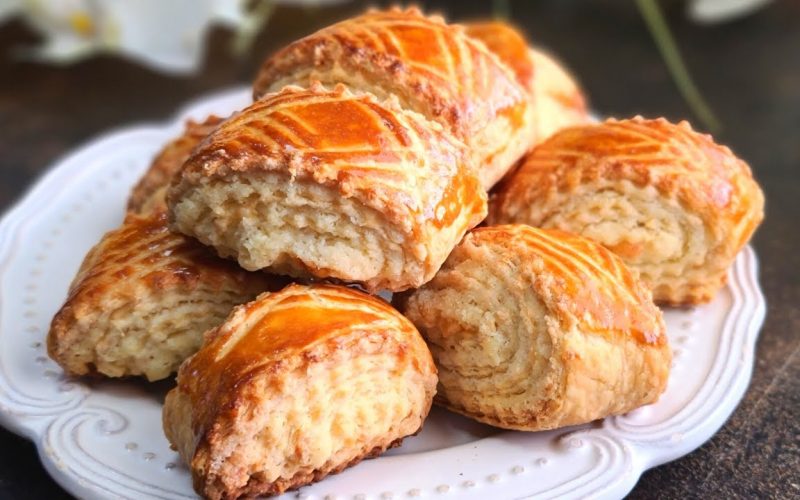
Armenian cuisine is known for its rich flavors, ancient traditions, and dishes that have been passed down through generations. Among the many beloved foods of Armenia, gata holds a particularly special place. This sweet, buttery pastry is more than just a dessert—it is a symbol of hospitality, family traditions, and cultural heritage that has endured for centuries.
Gata is often described as a sweet bread or pastry made from soft dough and filled with a crumbly mixture of butter, sugar, and flour. The result is a delicate balance of tender dough and sweet filling, creating a pastry that is both comforting and indulgent. Its golden crust, subtle sweetness, and rich buttery flavor make it a favorite treat in Armenian homes and bakeries alike.
Today, gata is enjoyed throughout Armenia and in Armenian communities around the world. It appears on festive tables, during family gatherings, and in everyday moments when people want to share something warm and homemade. While the basic idea of gata remains the same, the pastry has many regional variations, each with its own unique characteristics.
In this article, we will explore the fascinating history of gata, its cultural significance, regional varieties, traditional ingredients, and the way it is prepared. We will also look at how this beloved pastry continues to be enjoyed today and how you can make it yourself at home.
The History of Gata
The exact origins of gata are difficult to trace, but the pastry has deep roots in Armenian culinary history. Many historians believe that dishes similar to gata existed in Armenia many centuries ago, long before modern recipes were written down. Armenian cooking traditions developed over thousands of years, influenced by the country’s geography, agriculture, and cultural exchanges with neighboring regions.
Armenia has long been known for its wheat cultivation, dairy products, and baked goods. Bread and pastries have always been central to Armenian meals, and sweet baked goods were often prepared for special occasions and celebrations. Gata likely evolved from these early baking traditions.
For centuries, recipes were passed down orally within families. Mothers and grandmothers taught younger generations how to prepare dough, mix fillings, and shape pastries by hand. Because of this, many traditional dishes—including gata—developed slightly different forms in different regions.
Historical references to similar pastries appear in Armenian folklore and local traditions. These references suggest that sweet breads resembling gata were already widely known many generations ago.
Over time, the pastry became firmly established in Armenian culinary culture. Each region of the country developed its own distinctive approach to preparing it, leading to the wide variety of gata styles that exist today.
Despite modern changes in cooking techniques and ingredients, the essence of gata has remained remarkably consistent: a rich dough, a sweet buttery filling, and a pastry meant to be shared.
Cultural Significance of Gata
In Armenian culture, food is closely connected with hospitality, generosity, and family life. Gata reflects these values perfectly.
One of the most important aspects of Armenian hospitality is offering guests something homemade. When visitors arrive, it is common to serve tea or coffee along with sweets. Gata is often one of the first choices because it is both comforting and traditional.
The pastry is also closely connected with family gatherings. During holidays, celebrations, and special events, homemade baked goods are a central part of the table. Many Armenian families continue to bake gata using recipes that have been preserved for generations.
For many people, the aroma of gata baking in the oven brings back memories of childhood and family traditions. Preparing the pastry together can be a shared activity, where several generations gather in the kitchen to roll dough, prepare fillings, and decorate the surface.
Beyond the home, gata also plays a role in Armenian cultural identity. It is commonly featured at festivals, community events, and cultural celebrations both in Armenia and in Armenian diaspora communities around the world.
Because of its long history and cultural importance, gata is often considered one of the iconic pastries of Armenia.
Regional Varieties of Gata
One of the most fascinating aspects of gata is the diversity of its regional variations. Although the core concept remains the same—a sweet dough filled with a buttery mixture—the details can vary widely depending on the region.
Different areas of Armenia have developed their own traditions, ingredients, and shaping methods.
Yerevan-Style Gata
The version most commonly found in bakeries is often associated with the capital city. This style usually features a soft dough rolled into a flat round shape and filled generously with the sweet crumb mixture known as khoriz.
The pastry is typically cut into diamond or triangular pieces before serving.
Artsakh Gata
In the Artsakh region, gata often has a slightly different texture and structure. Some variations use layered dough or unique shaping techniques that give the pastry a distinctive appearance.
The filling may also have subtle differences in sweetness or consistency.
Gyumri Gata
Gyumri, one of Armenia’s historic cities, has its own style of gata that many locals consider especially traditional. In some versions, the pastry is thicker and more compact, with a dense but tender crumb.
Gyumri-style gata often features decorative patterns on the surface created with forks or knives before baking.
Other Regional Traditions
In rural areas and villages across Armenia, families often maintain their own recipes. These recipes may differ in ingredients, proportions, or preparation methods.
Some households add nuts or spices to the filling, while others prefer a simpler, classic version. These variations reflect the diversity of Armenian culinary traditions and the importance of family recipes.
Traditional Ingredients
Although there are many variations of gata, the ingredient list remains relatively simple. The magic of the pastry lies in the way these ingredients come together.
Dough
The dough is typically made from basic baking ingredients that create a soft and slightly rich base.
Common ingredients include:
- Flour
- Butter
- Sugar
- Eggs
- Sour cream or yogurt
- Baking powder or yeast
Sour cream or yogurt gives the dough its characteristic tenderness and mild tanginess.
Khoriz Filling
The most distinctive element of gata is its filling, known as khoriz.
This mixture usually consists of:
- Butter
- Sugar
- Flour
The ingredients are mixed together to form a crumbly, sandy texture that melts slightly during baking. This creates the signature sweet layers inside the pastry.
Different families may adjust the proportions to make the filling more buttery or more crumbly.
Optional Additions
Some recipes include additional ingredients to enhance flavor, such as:
- Chopped walnuts
- Vanilla
- Cardamom
- Powdered sugar for topping
However, the classic version remains quite simple.
How Traditional Gata Is Made
Making gata is a process that combines baking skill with tradition.
Preparing the Dough
The dough is usually prepared by mixing butter, sugar, eggs, and dairy ingredients before gradually adding flour. The mixture is kneaded until it forms a smooth and elastic dough.
After kneading, the dough is often allowed to rest. This helps develop the texture and makes it easier to roll.
Preparing the Filling
The khoriz filling is prepared separately by combining butter, sugar, and flour. The ingredients are mixed until they form a crumb-like texture.
Some bakers prefer a finer crumb, while others leave the mixture slightly coarse.
Shaping the Pastry
The dough is rolled out into a flat sheet and spread with the filling. Depending on the style, the dough may be folded, rolled, or layered.
The pastry is then shaped into a round or rectangular form.
Decorating the Surface
Before baking, the top is often brushed with egg wash to create a golden color. Decorative patterns may be carved or pressed into the dough using forks or knives.
These patterns not only make the pastry attractive but also help identify different regional styles.
Baking
The gata is baked until the crust becomes golden brown and slightly crisp. During baking, the filling melts and blends with the dough, creating the characteristic flavor and texture.
Shapes and Presentation
Gata can appear in several different shapes.
Some of the most common include:
- Large round cakes
- Rolled pastries cut into slices
- Diamond-shaped pieces
- Small individual portions
The surface decorations can also vary widely. Some bakers create simple geometric patterns, while others design elaborate decorative motifs.
These visual elements make gata both a culinary and artistic creation.
The Lucky Coin Tradition
One charming tradition associated with gata is the practice of hiding a small coin inside the pastry.
This custom is often connected with celebrations and festive occasions, particularly during winter holidays or New Year gatherings.
When the pastry is served, each person receives a slice. Whoever finds the coin in their piece is believed to receive good luck or prosperity in the coming year.
Although modern health considerations sometimes lead people to replace the coin with a wrapped token or symbolic object, the idea behind the tradition remains the same.
It adds an element of excitement and celebration to the shared experience of eating gata.
Gata in Modern Armenia
Today, gata remains one of the most popular pastries in Armenia.
It can be found in:
- Local bakeries
- Cafés
- Markets
- Restaurants specializing in Armenian cuisine
Many bakeries produce large quantities of gata daily, offering different regional styles and sizes.
Despite the availability of store-bought versions, homemade gata still holds special value. Many families prefer to prepare it themselves, especially for holidays and celebrations.
The process of baking together helps preserve traditional recipes and cultural heritage.
Gata Around the World
Armenian communities around the world have carried their culinary traditions with them, and gata is no exception.
In countries with large Armenian populations—such as the United States, France, Russia, and Lebanon—gata can often be found in Armenian bakeries and restaurants.
Diaspora communities sometimes adapt recipes to local ingredients or tastes, but the core elements remain the same.
For many Armenians living abroad, preparing traditional foods like gata helps maintain a connection to their cultural roots.
How Gata Is Served
Gata is typically served as a dessert or sweet snack.
It pairs particularly well with hot beverages such as:
- Black tea
- Armenian coffee
- Herbal teas
The pastry is usually sliced and shared among several people, reinforcing its role as a communal treat.
Although it can be enjoyed at any time of day, it is especially popular during afternoon tea or after meals.
Basic Traditional Gata Recipe
For those who would like to try making this pastry at home, here is a simplified version of a traditional recipe.
Ingredients
For the dough:
- 3 cups flour
- 200 g butter
- 1 cup sour cream
- 1 egg
- ½ cup sugar
- 1 teaspoon baking powder
For the filling:
- 1 cup flour
- ½ cup sugar
- 100 g butter
Instructions
- Mix butter and sugar in a bowl.
- Add the egg and sour cream, then mix well.
- Gradually add flour and baking powder to form a soft dough.
- Let the dough rest for about 20 minutes.
- Prepare the filling by mixing flour, sugar, and butter until crumbly.
- Roll the dough into a flat sheet.
- Spread the filling evenly over the dough.
- Fold or roll the dough according to the desired shape.
- Brush the top with egg wash.
- Bake at 180°C (350°F) for about 30–35 minutes until golden.
Tips for Making Perfect Gata
To achieve the best results when making gata, a few tips can help:
- Use high-quality butter for richer flavor.
- Avoid overworking the dough, which can make it tough.
- Balance the sweetness of the filling according to taste.
- Allow the pastry to cool slightly before cutting so the layers set properly.
Experimenting with different shaping techniques can also add a personal touch.
Gata is much more than a simple pastry. It represents centuries of Armenian culinary tradition, family heritage, and cultural identity. Its warm, buttery flavor and delicate sweetness have made it a beloved treat across generations.
From rural villages to modern city bakeries, gata continues to bring people together around the table. Whether served to guests, shared during holidays, or baked as a family activity, it remains a symbol of hospitality and tradition.
For anyone interested in exploring Armenian cuisine, gata is an excellent place to start. Its simple ingredients, rich history, and comforting flavor make it a timeless pastry that continues to delight people around the world.
To truly experience the authentic taste and tradition of this beloved pastry, there is no better place than its homeland. Visit Armenia, immerse yourself in its rich culture and warm hospitality, and treat yourself to freshly baked gata just as it has been enjoyed for centuries. One bite of this golden, buttery pastry in a traditional Armenian bakery or family kitchen will give you a taste of history that no recipe alone can fully capture.

20 Responses
[467]happy88 Official Login | Trusted Online Casino with Fast Payouts,happy88 offers a secure gaming experience. Download the app for easy access to the fastest payout slots in Malaysia. Join now for a trusted casino experience. visit: happy88
[8514]mohd88 Official Login | Trusted Online Casino Malaysia Fast Payout,mohd88 offers a premium gaming experience. Access the official login to enjoy a trusted slot site with fast payouts. Download the app now to start playing. visit: mohd88
[8848]r77 Official Login – সেরা অনলাইন স্লট এবং দ্রুত বিকাশ পেমেন্ট,r77 এর অফিশিয়াল অ্যাপ ডাউনলোড করে সেরা অনলাইন স্লট গেমস উপভোগ করুন। এখানে পাবেন দ্রুত বিকাশ পেমেন্ট এবং ক্রিকেট বেটিং এর সহজ নিয়মাবলী। আজই যোগ দিন। visit: r77
[7731]Nagitatogel | Login Resmi Link Alternatif Slot Gacor Hari Ini,Nagitatogel menyediakan link alternatif terbaru untuk akses mudah. Nikmati kemudahan judi online deposit dana dan panduan cara main togel online. Daftar sekarang juga! visit: nagitatogel
[8545]hokiwin77 | Login Resmi Link Alternatif Slot Gacor Terpercaya,hokiwin77 menyediakan akses link alternatif terbaru untuk main slot gacor hari ini. Daftar situs casino terpercaya dan nikmati kemudahan deposit via dana sekarang. visit: hokiwin77
Was looking for a safe way to get the app and this site made it so simple. No errors and it works perfectly on my phone. Thanks jili4download.
Everything about this site feels professional and trustworthy. The rewards system is quite generous for loyal players. Check out wakanda123situs for a fun time.
The graphics are amazing and the gameplay is lag free. I spend a lot of my free time here and never get bored. Visit bk66gamelogin and see for yourself.
Finally found a site that doesn’t lag during big wins. The login process is quick and everything just works. Try rakyatslotlogin
I was skeptical at first but after a few wins I am totally convinced. The graphics are top notch. Visit impor88slot for the real deal.
Finally found a platform that actually pays out quickly. The interface is very user-friendly for beginners. Highly recommend phplus777vip
The payouts are surprisingly fast and the games are top notch. Highly recommend checking out winbet289win if you want a reliable spot.
I had a huge win last night and the withdrawal was processed almost instantly. That is exactly what I look for in a platform. br888win19 is the real deal.
Everything works perfectly on my mobile phone which is a huge plus for me. I can play anywhere anytime thanks to 33jiliph.
I love the variety of games available here. There is always something new to try and the bonuses are actually fair. Great vibes all around at ab777casino.
[6062]Sky88 | Link vào chính thức và tải app game quay hũ,Truy cập sky88 để trải nghiệm game quay hũ đổi thưởng và học cách chơi baccarat online dễ dàng. Hỗ trợ nạp tiền casino qua momo nhanh chóng. Tham gia ngay! visit: sky88
Finally found a platform that doesn’t complicate the deposit process. Everything is straightforward and transparent. I trust vngp88 with my gaming budget.
Finally found a version that doesn’t lag. The installation was a breeze and everything works perfectly on my phone. Highly recommend inyono777download if you want a stable app.
The app version is just perfect for playing on the go. Very stable and the rewards are awesome. Download winboxcasinoapk and see for yourself!
Love the variety of games available here. It keeps things exciting and the graphics are really crisp. I’m spending a lot of my free time on bdxx777 lately.