

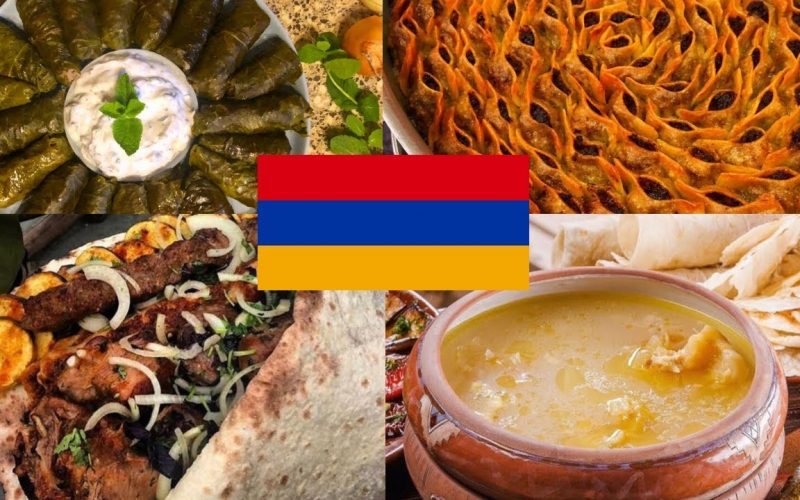
Armenian cuisine is one of the oldest and most culturally rich culinary traditions in the world. Rooted in thousands of years of history, shaped by the country’s dramatic landscapes, and influenced by a unique blend of Eastern and Western civilizations, Armenian food represents far more than just nourishment. It is a reflection of a nation’s identity, resilience, hospitality, and deep connection to the land. Traditional dishes are built on simple, natural ingredients—fresh herbs, grains, dairy, vegetables, and meats—combined with time-honored methods such as slow cooking, stone-oven baking, fermentation, and preservation. These techniques, passed down through generations, contribute to the cuisine’s distinct aromas, textures, and comforting warmth.
Understanding Armenian food requires understanding Armenia itself: a place where mountains meet ancient trade routes, where cultural layers overlap, and where food has always played a central role in celebrations, religious rituals, and everyday life. Armenian cuisine embodies a balance between rustic, village-style cooking and refined dishes that evolved in historic royal courts and bustling merchant towns. Every region has its own specialty, every household its own variation, yet the core flavors remain unmistakably Armenian.
1.1. Brief overview of Armenian cuisine
Armenian cuisine is a harmonious blend of geography, climate, and history. It combines the hearty, earthy tastes of the Caucasus with the delicate spices of the Middle East and the comforting traditions of Eastern Europe. Central to the cuisine are seasonal produce, fresh herbs—often used in remarkable quantities—natural dairy products, wheat and barley, legumes, dried fruits, and meats such as lamb, beef, and poultry. Traditional cooking methods, such as baking in a tonir (an underground clay oven), grilling over open fire, fermenting milk into yogurt or cheese, and slow-simmering stews in clay pots, shape many classic dishes.
While Armenian food shares some similarities with neighboring cuisines, it remains distinctly its own. It is less spicy than Persian cuisine, less oily than some regional traditions, and more herb-forward and grain-centered than many Middle Eastern styles. It is a cuisine where simplicity meets depth: fresh vegetables paired with grilled meats, subtly spiced soups enriched with grains, and breads that carry millennia of symbolism.
Geographic position of Armenia (Caucasus, crossroads of East & West)
Armenia’s location in the South Caucasus has significantly influenced its culinary evolution. Situated at the crossroads of Eastern Europe and Western Asia, the region has historically been part of major trade routes—most notably the Silk Road. This unique geographic position exposed Armenia to a wide array of ingredients, cooking styles, spices, and agricultural practices. Traders, travelers, and neighboring empires introduced new foods, while Armenia’s own agricultural wealth allowed the development of distinctive traditions.
The Caucasus region is known for its rugged terrain, fertile valleys, and diverse microclimates. Armenia shares borders with Turkey, Georgia, Azerbaijan, and Iran, and while politically complex, this positioning has contributed to a cuisine that incorporates and transforms culinary elements from many surrounding cultures. Yet despite these influences, Armenian food retains a strong national identity rooted in indigenous ingredients and ancient practices.
How mountains, valleys, lakes, and climate shape local ingredients
Armenia’s diverse topography has a profound impact on its culinary character. The country is dominated by mountains—over 90% of the land is elevated—interspersed with deep valleys, high plateaus, rivers, and the iconic Lake Sevan, one of the world’s largest high-altitude freshwater lakes.
Because of this varied landscape, Armenia offers a rich range of natural ingredients:
1. Mountain regions
Mountainous areas provide ideal conditions for:
- wild herbs (tarragon, thyme, mint, sorrel, basil, savory)
- berries (cornelian cherries, blackberries, rose hips)
- mushrooms
- lamb and goat herding
These ingredients contribute to dishes with bright herbal notes and rich, gamey flavors.
2. Fertile valleys
The Ararat Valley, often called the “breadbasket of Armenia,” produces:
- apricots (a national symbol)
- peaches, plums, grapes, and pomegranates
- tomatoes, cucumbers, eggplants, peppers, and greens
- wheat and barley
The abundance of fruit influences Armenian cuisine through dried fruits, preserves, fruit-based sauces, and the pairing of sweet and savory flavors.
3. Lake Sevan
Lake Sevan enriches Armenian cuisine with:
- Sevan trout (ishkhan) – a delicacy with a delicate, clean flavor
- sig fish
Fish from the lake has long been featured in feasts and festive meals, particularly during Christian fasting periods when meat is restricted.
4. Climate
Armenia’s continental climate includes hot summers and cold winters, making food preservation essential. This contributed to:
- pickling and fermentation
- drying fruits, herbs, and meats
- making basturma (cured spiced beef)
- sun-drying lavash bread
Seasonality remains extremely important: Armenians traditionally cook and eat what the land provides at each time of year.
Influence of ancient traditions, Christianity, and regional neighbors (Persia, Ottoman Empire, Russia)
Armenian cuisine has been shaped not only by natural conditions but also by millennia of cultural evolution.
Ancient traditions
Armenia’s agricultural history dates back thousands of years. Archaeological sites show evidence of:
- some of the world’s earliest winemaking
- ancient bread-baking techniques
- early cultivation of grains, legumes, and grapes
Foods such as harisa (a slow-cooked porridge of wheat and meat) and gata (a sweet bread) have roots stretching back to pagan times.
Christianity
Armenia was the first nation in the world to adopt Christianity (301 AD), and this had a deep influence on culinary practices:
- Numerous fasting periods shaped the development of vegan and vegetarian dishes
- Special breads and pastries are prepared for religious holidays
- Foods like fish, grains, and herbs gained symbolic meaning
Church feasts and rituals introduced traditions of communal eating and large celebratory meals.
Influence of neighboring cultures
Being located between powerful empires meant that Armenian cuisine both influenced and was influenced by its neighbors:
- Persian cuisine contributed rice dishes, dried fruit combinations, and subtle spice blends.
- Ottoman cuisine introduced techniques such as stuffing vegetables (dolma), grilling kebabs, and preparing layered pastries.
- Russian and Eastern European cuisines influenced soups, salads, pickling methods, and dairy production during the Imperial and Soviet periods.
Despite these interactions, Armenian cooking maintained its distinctiveness by adapting foreign elements to local tastes, ingredients, and traditions.
Why Armenian cuisine is unique
Armenian cuisine stands out in the culinary world not only because of its rich flavors and diverse ingredients but also because of the cultural continuity that has preserved its foundations for millennia. While many food traditions evolve rapidly or change drastically across historical eras, Armenian cuisine has maintained remarkable stability, allowing ancient cooking techniques, ceremonial foods, and original ingredient combinations to survive into the present day.
Thousands of years of culinary continuity
Armenia is one of the world’s oldest continuously inhabited regions. Archaeological findings reveal that Armenians were cultivating grapes, grains, and legumes thousands of years ago. Ancient traditions such as baking bread in a tonir, fermenting dairy products, preserving meats with natural spices, or preparing hearty wheat-based dishes like harisa have remained central to Armenian cuisine.
This continuity is due in part to:
- The agricultural lifestyle that shaped rural communities for centuries
- The oral transmission of recipes from one generation to the next
- The symbolic role of food in rituals, feasts, and family celebrations
- The resilience of the Armenian people, who preserved their culinary heritage despite historical upheavals
As a result, many dishes eaten today would be familiar to Armenians from centuries—or even millennia—ago.
Strong home-cooking culture and artisanal food production
Unlike cuisines that rely heavily on commercial or industrial production, Armenian food remains deeply rooted in home cooking. Family kitchens are the heart of the culinary tradition, and many iconic dishes are rarely found in restaurants because they require long hours, communal labor, or specialized techniques. Examples include:
- Preparing lavash, traditionally baked by a group of women
- Making tolma for family gatherings
- Crafting homemade cheeses, jams, or preserves
- Drying herbs, pickling vegetables, and fermenting dairy
Artisanal food production also remains strong. Rural households often make:
- Matsun (fermented yogurt)
- Basturma (air-dried spiced meat)
- Dried fruit rolls and traditional sweets
- Local wines, brandies, and fruit vodkas
This hands-on approach ensures that Armenian cuisine retains a depth of flavor and authenticity rarely achieved through industrial methods.
Emphasis on hospitality, seasonality, and natural products
Armenian cuisine is inseparable from the cultural value placed on hospitality. In Armenian homes, guests are treated with immense generosity, and tables are filled with fresh, abundant food as a sign of respect and warmth. This tradition, deeply rooted in rural life and Christian customs, elevates everyday dishes into symbols of community and care.
Seasonality is another defining characteristic. Armenians historically relied on what the land provided during each season:
- Spring brings wild herbs, greens, and fresh dairy
- Summer offers tomatoes, cucumbers, peppers, eggplants, and stone fruits
- Autumn is the time for grapes, nuts, pomegranates, and harvest celebrations
- Winter features preserved foods—pickles, dried fruits, grains, and hearty stews
The emphasis on natural, minimally processed ingredients remains strong today. Many dishes highlight the inherent flavor of vegetables, herbs, and meats rather than masking them with heavy spices or sauces. This simplicity, combined with high-quality produce, is key to the uniqueness of Armenian food.
Purpose and structure of the article
This article aims to provide a comprehensive, in-depth exploration of traditional Armenian food by examining its history, ingredients, iconic dishes, cooking techniques, and cultural traditions. While Armenian cuisine is increasingly known worldwide—thanks to diaspora communities, culinary tourism, and modern Armenian chefs—many readers still lack a clear understanding of its origins, diversity, and deeper cultural meaning. This article seeks to bridge that gap.
Aim: define and explore traditional Armenian food, dishes, ingredients, customs
The primary objectives of the article are to:
- Define what traditional Armenian cuisine is, including its historical roots and cultural significance
- Highlight the main ingredients, herbs, grains, meats, vegetables, and preserved foods used in everyday cooking
- Present classic Armenian dishes—soups, stews, breads, desserts, and festive foods
- Explain traditional cooking techniques, such as tonir baking, fermentation, and slow simmering
- Explore regional variations within Armenia and the Armenian diaspora
- Describe food-related customs, hospitality rituals, and religious holiday dishes
- Show how Armenian cuisine has evolved, and where it stands in the modern culinary world
Through this multi-layered approach, readers will gain a holistic understanding of what makes Armenian cuisine so distinctive.
What readers can expect from each section
To offer clarity and depth, the article is organized into several main sections:
- Introduction
Outlines the historical, geographical, and cultural background of Armenian cuisine. - Key Ingredients and Staples
Describes the essential components of Armenian cooking—grains, herbs, meats, dairy, vegetables, and preserved foods. - Traditional Dishes
Provides detailed explanations of iconic foods such as lavash, khorovats, harisa, dolma, khash, and many others. - Cooking Techniques and Tools
Explores methods like tonir baking, slow stewing, grilling, drying, and fermentation, as well as traditional utensils and cooking vessels. - Regional Variations
Examines how different areas of Armenia and Armenian communities abroad have developed their own specialties. - Cultural and Religious Significance
Discusses how food plays a role in hospitality, celebrations, religious fasting periods, and national holidays. - Modern Armenian Cuisine
Looks at how traditional food is evolving while maintaining its core identity in contemporary restaurants and homes.
By following this structured journey, readers will come away with a complete and nuanced picture of traditional Armenian cuisine—its flavors, history, symbolism, and living cultural legacy.
Historical Foundations of Armenian Cuisine
Armenian cuisine cannot be understood without examining the long and complex history from which it emerged. For thousands of years, Armenians lived in a region where agriculture thrived, trade routes converged, and cultures mixed. This combination created a culinary tradition rooted in ancient practices yet continually shaped by outside influences and historical events. The result is a cuisine that feels timeless—deeply connected to the land and remarkably resilient in preserving its identity through centuries of change.
Ancient Armenia and early food traditions
Armenia is home to some of the world’s oldest known culinary artifacts. Archaeological discoveries across the Armenian Highlands reveal that food production, storage, and cooking were already highly developed in antiquity, reflecting a settled society with sophisticated agricultural practices. These findings illustrate that many modern Armenian foods, tools, and cooking techniques have origins in prehistoric or early historical periods.
Evidence from archaeological sites (bread ovens, wine presses, grain storage)
Excavations at sites such as Areni-1 Cave, Metsamor, Shengavit, and Erebuni Fortress have uncovered remarkable examples of early food-related technologies:
- Bread ovens (early tonirs):
Dough residues and circular clay structures indicate that Armenians used underground ovens similar to the modern tonir as early as the 3rd millennium BCE. These were essential for baking early forms of flatbread, a precursor to today’s lavash. - Wine presses and fermentation vessels:
Armenia is home to the world’s oldest known winery (c. 4100 BCE), discovered in Areni-1 Cave. The site includes wine presses, storage jars, grape seeds, and traces of red wine, demonstrating that winemaking has been central to Armenian culture for over six thousand years. - Grain storage pits and silos:
Large underground storage spaces reveal the importance of grain cultivation. Wheat, barley, and emmer were staples protected for use throughout harsh winters. Such storage enabled the development of stable food supplies, breads, porridges, and early forms of pilaf. - Tools for food processing:
Grinding stones, mortars, pestles, and clay cooking pots reflect early methods for preparing grains, legumes, and herbs.
These artifacts show that early Armenian societies were not simply consuming food—they were producing it systematically, using advanced agricultural and culinary techniques.
Domesticated plants and animals in antiquity
From early periods, Armenians domesticated a variety of plants and animals that remain core components of the cuisine today.
- Grains: Wheat, barley, and spelt were the foundation of bread, beer, porridge, and later, pilaf.
- Legumes: Lentils, beans, chickpeas, and peas formed key protein sources.
- Fruit trees: Apricots, plums, pomegranates, grapes, and walnuts were cultivated extensively.
- Vegetables and herbs: Early cultivation of onions, garlic, cucumbers, leafy greens, and aromatic herbs shaped Armenian flavor profiles.
- Animal husbandry: Sheep, goats, and cattle provided meat, milk, yogurt, cheese, wool, and hides. Chickens and bees (for honey) were also kept.
This agricultural wealth laid the foundation for a food culture based on fresh produce, dairy products, and grain-based dishes—elements still central today.
Influence of geography and climate
The environment of the Armenian Highlands has always played a decisive role in shaping dietary habits. A landscape defined by mountains, plateaus, and fertile valleys created natural microclimates, each supporting different crops and livestock. The result is a cuisine rich in variety despite the region’s relatively compact geographic area.
Fertile valleys, highlands, and microclimates
Armenia contains striking contrasts within a small territory:
- The Ararat Valley:
One of the most fertile agricultural regions in the Caucasus, ideal for growing apricots, peaches, melons, grapes, and vegetables. This valley historically served as Armenia’s breadbasket. - Mountain plateaus:
Cooler climates suited for dairy production, grazing sheep and goats, and growing grains. Many traditional cheeses, yogurts, and herbs come from these high-altitude regions. - Forested areas and river valleys:
Offered nuts, berries, mushrooms, freshwater fish, and wild greens—ingredients that often appear in traditional soups, salads, and desserts. - Lake Sevan region:
Famous for freshwater fish, especially the prized ishkhan (trout), used in festive dishes.
These contrasting environments supported a wide range of agricultural activities and contributed to the variety of Armenian dishes.
How these shaped grains, vegetables, fruit, and livestock use
The natural conditions influenced culinary traditions in several ways:
- Grains became central because highlands provided ideal wheat and barley conditions. This led to the prominence of bread, pilafs, and porridges.
- Fruit cultivation flourished in sunlit valleys, giving rise to dried fruits, fruit leather (pastegh), sweet-and-savory stews, and natural preserves.
- Vegetables and herbs grew abundantly, making Armenian cuisine one of the most herb-forward cuisines in the region.
- Livestock herding shaped meat and dairy traditions, including robust cheese-making, fermented milk products, lamb dishes, and preserved meats such as basturma and sujuk.
- Seasonal climate extremes encouraged preservation: pickling, drying, curing, and fermenting foods to survive harsh winters.
Geography did not just influence diet—it became a defining force that preserved regional culinary identities.
Regional and cultural interactions
Armenia’s position at the crossroads of Europe and Asia exposed it to numerous foreign empires and cultures. Over millennia, Armenian lands were influenced by Persian, Greek, Roman, Byzantine, Arab, Seljuk, Ottoman, and Russian powers. Yet through these waves of influence, Armenians maintained a culinary identity rooted in local ingredients and traditional practices.
Persian, Arabic, Turkish, Russian, and Mediterranean influences
Each neighboring culture contributed certain elements to Armenian cuisine, though Armenians often adapted them to their own tastes:
- Persian influence:
Subtle spices, dried fruits in meat dishes, pilaf variations, and complex rice preparations. - Arabic influence:
Use of chickpeas, lentil soups, and some sweet pastries. - Turkish/Ottoman influence:
Shared culinary repertoire includes dolma, kebabs, yogurt-based sauces, and stuffed vegetables. Armenians, however, maintain distinct seasoning, preparation methods, and dish names in many cases. - Russian influence (from the 19th century onward):
Introduced new soups, salads, potatoes, and preservation techniques; broadened the range of dairy and baked goods during the Soviet period. - Mediterranean influence:
Olive oil, herbs, and grape-based products reflect ancient trade with Greece and other Mediterranean civilizations.
Despite these interactions, Armenian cuisine did not become a simple blend of regional styles—it developed its own unmistakable character.
How Armenians preserved national identity through food
Food played a crucial role in preserving Armenian cultural identity, especially during periods of foreign rule, forced migration, or diaspora dispersal. Armenians maintained their authenticity through:
- Family-based transmission of recipes
– Mothers and grandmothers passing down traditional dishes orally. - Distinct holiday foods
– Christmas dishes, Easter pastries, and special breads linked to Christian rituals. - Regional specialties
– Mountain villages, valley towns, and diaspora communities guarding unique variations of national dishes. - Preservation of the Armenian tonir tradition
– Baking lavash remained a cultural cornerstone and a symbol of home. - Community cooking during celebrations
– Feasts for weddings, baptisms, and holidays reinforced shared identity.
Even when Armenians adopted dishes from neighboring cultures, they modified them to reflect Armenian ingredients, herbs, techniques, and flavor preferences.
Evolution during Soviet and post-Soviet periods
The 20th century brought dramatic changes to Armenia’s culinary landscape. Integration into the Soviet Union introduced industrial farming, standardized food production, and new dietary habits, while the post-Soviet era sparked a revival of traditional methods and local craftsmanship.
Industrialization of food during the Soviet era
Under Soviet rule (1920–1991), food production shifted from local, artisanal methods to centralized, mass-production systems. Key changes included:
- Standardized recipes in state restaurants and canteens
- Widespread use of potatoes, cabbage, and beets, aligning with Soviet dietary norms
- Large-scale dairy production that replaced many small village producers
- Limited availability of spices and imported goods, affecting traditional flavor diversity
- Canning and preservation factories, influencing jam, juice, and pickled food production
Many Armenians continued to cook traditional meals at home, but Soviet policies inevitably changed everyday consumption patterns.
Revival of artisanal traditions in modern Armenia
Following independence in 1991, Armenia experienced a cultural and culinary revival. Local producers, farmers, and chefs began restoring traditional practices that had weakened during the Soviet period. This revival includes:
- Return to tonir baking and small-scale production of authentic lavash
- Artisanal cheese-making, reviving ancient varieties like horats panir, chechil, and goat cheeses
- Craft wine and brandy production, reconnecting with Armenia’s ancient winemaking heritage
- Farm-to-table movements promoting organic fruits, vegetables, and herbs
- Renewed pride in traditional dishes at restaurants, festivals, and family gatherings
Modern Armenia now blends tradition and innovation, presenting ancient dishes with contemporary interpretations while remaining faithful to authentic flavors.
Core Ingredients in Traditional Armenian Cooking
Traditional Armenian cuisine is built on a rich foundation of natural, locally sourced ingredients. Because of Armenia’s varied climate, mountainous terrain, and centuries-old agricultural practices, the cuisine features a remarkable diversity of grains, vegetables, herbs, meats, dairy products, fruits, nuts, and spices. Many ingredients are not just culinary staples—they are part of Armenia’s cultural identity, family traditions, and seasonal rhythms. This section explores the essential components that form the backbone of Armenian cooking.
Grains and cereals
Grains have been central to Armenian diet and culture for thousands of years. Archaeological discoveries in the Armenian Highlands reveal that wheat and barley were cultivated here in some of the earliest farming communities, and their importance continues today.
Wheat (bulgur, crushed wheat varieties)
Wheat is the most important grain in Armenian cuisine. It appears in countless forms—from bread dough to soups and pilafs.
- Bulgur (mahaleb bulgur, motnakash bulgur):
Cracked wheat that is parboiled, dried, and ground into coarse or fine textures. It is used in pilafs, salads, soups, and stuffed vegetable fillings. Bulgur adds a nutty flavor and firm texture to dishes. - Korkot (cracked dried wheat berries):
Essential for harisa, the ancient Armenian wheat-and-meat porridge cooked slowly for many hours until creamy and thick. - Semolina and flour:
Used for sweets, breads, pastries, and pasta-like dishes such as arishteh (Armenian noodles).
Bread, especially lavash, symbolizes hospitality and national identity. The deep connection between wheat and Armenian culture is reflected in religious rituals, harvest celebrations, and everyday meals.
Rice: cultural relevance in festive dishes
While wheat is the foundational cereal, rice also occupies an important place—especially in festive and ceremonial dishes. Rice is commonly used for:
- Stuffed grape leaves and vegetables (dolma)
- Pilafs enriched with dried fruits, nuts, or spices
- Holiday dishes such as New Year’s and Easter pilafs
Armenian rice dishes often blend savory and sweet elements—rice cooked with apricots, raisins, plums, chestnuts, or nuts—reflecting Persian influences but retaining Armenian balance and subtlety.
Corn and barley
- Corn appears primarily in regional dishes, especially in the north (Lori and Tavush regions) where cornbread, cornmeal porridges, and rustic village dishes are still prepared.
- Barley is one of the oldest cultivated grains in Armenia. It is used in soups, porridges, and animal husbandry, and historically played an important role in sustaining communities during harsh winters.
Together, these grains anchor Armenian cuisine with their earthy, nourishing qualities and ancient lineage.
Vegetables, herbs, and wild greens
The fertile valleys and diverse microclimates of Armenia make vegetables and herbs central to everyday cooking. Armenian cuisine is highly herbaceous, relying less on strong spices and more on the natural aroma of fresh greens and vegetables.
Eggplants, tomatoes, potatoes, peppers, beans
These vegetables form the core of many dishes:
- Eggplants (aubergines):
Used in stews, grilled dishes, stuffed preparations, and preserved spreads like ikra. - Tomatoes:
Fresh, sun-ripened tomatoes are used in salads, sauces, soups, and stews. Armenia’s climate produces some of the most flavorful tomatoes in the region. - Potatoes:
Widely consumed, especially in highland regions. Used in soups, baked dishes, dumplings, stews, and as a side with meats. - Peppers:
Both sweet and spicy varieties appear in salads, sauces, dolma fillings, and roasted vegetable dishes. - Beans and legumes:
Lentils, chickpeas, and white beans form the basis of hearty soups and winter stews.
Together, these vegetables create the foundation for the warm, rustic flavors characteristic of Armenian home cooking.
Wild herbs and greens (urd, aveluk, zorats dzmeruk)
Armenians traditionally gather wild greens in spring and early summer, a practice rooted in ancient rural life.
Important wild herbs and greens include:
- Aveluk (Rumex patientia):
A type of wild sorrel often braided and dried for winter. Used in soups, stews, and salads. - Urd (mountain greens):
An assortment of tender wild plants harvested in mountain areas; often cooked with eggs or used in springtime dishes. - Zorats dzmeruk:
Aromatic alpine herbs used for soups, teas, and medicinal broths.
The use of wild greens gives Armenian cuisine its distinctive earthy and herbal character.
Seasonal approach: pickling and preserving
Because Armenia experiences long, cold winters, preservation techniques are essential:
- Pickled vegetables (torshi): cabbage, cucumbers, peppers, tomatoes, garlic, and wild greens
- Dried herbs: thyme, mint, tarragon, savory
- Roasted and preserved vegetables: especially peppers, eggplants, and tomatoes
- Fermented vegetables: cabbage and mixed pickles
These preserved ingredients ensure that even in winter, Armenian dishes retain freshness and variety.
Meat and poultry
While vegetables and grains are abundant, meat—particularly lamb—holds a special place in Armenian culinary tradition.
Lamb as the most traditional choice
Lamb is considered the most authentic and historically significant meat in Armenian cuisine due to the country’s strong pastoral traditions. It appears in:
- Khorovats (Armenian barbecue)
- Khashlama (meat simmered with vegetables)
- Harisa (wheat-and-lamb porridge)
- Soups and stews
- Stuffed vegetables
Lamb is valued for its depth of flavor and tenderness when slow-cooked, grilled, or roasted.
Beef and veal; pork in certain regions
- Beef and veal are widely used for soups, meatballs, kebabs, dolma fillings, and slow-cooked dishes.
- Pork is common in specific regions, especially Shirak, Lori, and Tavush, where climatic conditions and cultural practices promote pig farming. Pork is often roasted, grilled, or preserved as basturma and sujuk.
These meats broaden the palette of Armenian dishes while contributing to regional variations.
Chicken, turkey, and game
Poultry is also important, especially for festive or home-style dishes:
- Chicken: used for soups, pilafs, stuffed preparations, and broth-based dishes.
- Turkey: traditionally prepared for New Year celebrations, often stuffed with rice, dried fruit, and nuts.
- Game meats: such as quail or partridge appear in rural and mountainous regions but are less common in modern daily cooking.
Dairy products
Dairy is integral to Armenian cuisine, reflecting traditions of pastoral life and alpine herding. Fermented milk, aged cheeses, and clarified butter are everyday essentials in Armenian households.
Matzoon (Armenian yogurt)
Matzoon is a cornerstone of Armenian dairy culture. Thick, tangy, and nutritious, matzoon is used for:
- Eating plain or with bread
- Making tan, a yogurt-based drink
- Preparing soups such as spas
- Marinating meats
- Baking and desserts
Its unique fermentation gives it a characteristic sharpness that distinguishes it from other regional yogurts.
Cheeses: Lori, Chanakh, Motal, Horats panir
Armenian cheese varieties reflect regional microclimates and traditional aging techniques:
- Lori: soft to semi-hard cheese with a mild, creamy flavor.
- Chanakh: brined cheese with a salty, robust taste; commonly used in salads and breakfast tables.
- Motal: sheep’s milk cheese aged in clay pots and sometimes mixed with herbs; known for its strong aroma.
- Horats panir (“cave cheese”): aged in natural caves, developing complex flavors.
These cheeses illustrate the artisanal craftsmanship preserved across centuries.
Butter, clarified butter, cream
- Regular butter is used in cooking, baking, and spreading.
- Clarified butter (ghee-like): called roghan in some regions, used to fry eggs, meat, and pastries.
- Cream (kaymak): thick, rich cream often served with honey or used in desserts.
Dairy products contribute richness, texture, and depth to many Armenian dishes.
Fruits and nuts
Armenia’s climate is ideal for fruit cultivation, making fruits—fresh, dried, or preserved—a central part of the cuisine.
Apricots (national fruit), peaches, cherries, grapes
- Apricots:
Armenia is often associated with the apricot, considered the national fruit. Armenian apricots are renowned for their aromatic sweetness and are used fresh, dried, in jams, or as part of savory stews. - Peaches and cherries:
Common in summer desserts, compotes, and preserves. - Grapes:
Consumed fresh, dried as raisins, or used for winemaking, vinegar, and fruit-based sauces.
Stone fruits and grapes also appear in festive or symbolic dishes.
Walnuts, almonds, pistachios
Nuts are widely used in Armenian cooking:
- Walnuts: the most common; used in pastries, sauces, salads, and stuffed fruits.
- Almonds: often added to rice dishes or desserts.
- Pistachios: appear in sweets, especially those influenced by Middle Eastern traditions.
Nuts add texture, richness, and depth to both savory and sweet dishes.
Sun-dried fruit and fruit leather (t’tu lavash)
- Dried apricots, prunes, figs, and peaches are staples of winter cuisine.
- T’tu lavash (fruit leather):
A traditional preparation made by cooking and sun-drying pureed fruit—often plums or apricots—into thin, leathery sheets. A beloved snack, it is also used in stews for tartness.
These preserved fruits illustrate the Armenian mastery of seasonal preservation.
Spices and aromatics
Armenian cuisine is defined not by heavy spices but by fresh herbs and aromatic seasonings, which give dishes a bright, natural flavor.
Parsley, dill, tarragon, mint, basil
Fresh herbs are used in large quantities:
- Parsley and dill appear in salads, soups, rice dishes, and vegetable preparations.
- Tarragon: a distinctly Armenian flavor, used in pickles, salads, and the famous tarragon soda.
- Mint: used both fresh and dried for soups, rice, and yogurt-based dishes.
- Basil: added to fresh salads and tomato-based dishes.
Herbs are essential in shaping the Armenian flavor palette.
Garlic, onion
Garlic and onion form the aromatic base of countless dishes:
- Soups and stews
- Meat marinades
- Stuffed vegetables
- Sauces
- Pickles
Their presence is foundational, contributing sweetness, sharpness, and depth.
Dried sumac, peppers, coriander
Armenians use spices more sparingly than many neighboring cuisines, but certain dried spices play a key role:
- Sumac: provides tangy, lemony notes, especially in meats and salads.
- Red pepper (sweet or hot): used for color and mild heat.
- Coriander: appears in stews, meat dishes, and traditional soups.
These aromatics complement fresh herbs rather than overpower them, maintaining the cuisine’s natural balance.
Iconic Traditional Armenian Dishes
Traditional Armenian cuisine is defined not only by its ingredients and techniques, but also by the powerful symbolism embedded in each dish. Food in Armenia is often tied to rituals, holidays, agricultural cycles, and social gatherings. Many dishes have survived nearly unchanged for centuries, forming a living bridge between the modern Armenian table and ancient culinary heritage. Below is a deep exploration of the most emblematic foods, their origins, unique characteristics, and cultural importance.
Lavash
Lavash is the cornerstone of Armenian cuisine—more than a type of bread, it is a cultural institution. In 2014, UNESCO inscribed Armenian lavash on the Representative List of the Intangible Cultural Heritage of Humanity, recognizing it as a profound expression of identity and community.
Traditional preparation in the tonir. Lavash is prepared in a subterranean clay oven called a tonir, one of the most ancient cooking structures in the region. Women traditionally work in teams: one prepares the dough, another rolls it into thin sheets, while a third skillfully slaps the dough onto the hot tonir wall. The bread cooks in seconds, forming a soft yet slightly blistered sheet that can be eaten fresh or dried for long-term storage.
Cultural meaning. Lavash is ever-present in Armenian life. At weddings, pieces of lavash are placed on the shoulders of newlyweds as a blessing for prosperity. During religious and agricultural rituals, it symbolizes continuity, purity, and hospitality. A table without lavash feels incomplete, and offering it to guests is considered a gesture of deep respect.
Khorovats (Armenian BBQ)
Perhaps the most festive Armenian dish, khorovats represents celebration, gathering, and outdoor cooking. It is a central component of family events, summer picnics, and national holidays.
Cuts of meat. Traditionally, lamb is favored, but pork and beef are also widely used. The choice of cut varies by region and personal preference—ribs, tenderloins, and shoulder pieces are popular due to their balanced fat content.
Marinades and preparation styles. Armenian marinades are distinctively simple compared to many neighboring cuisines. The goal is to highlight the natural flavor of the meat rather than overwhelm it with spices. Common ingredients include onions, salt, black pepper, and occasionally wine or pomegranate juice. The meat is skewered and grilled over hot coals, achieving a smoky, tender result.
Difference from neighboring cuisines. Unlike Turkish shish kebab or Persian kebab, khorovats is less spice-driven and more ingredient-focused, allowing the charcoal aroma and meat quality to stand out. Vegetable khorovats—grilled eggplants, tomatoes, and peppers—often accompany the meat and are mashed together afterward to create horovats salad, another Armenian specialty.
Dolma (Tolma)
Dolma, known as tolma in Armenian, is one of the most iconic dishes across the region, with countless variations representing different seasons and festivities.
Varieties: grape leaves, cabbage rolls, and vegetable dolma.
- Grape leaf dolma (terndziki tolma) is typically prepared in spring and early summer when the leaves are fresh.
- Cabbage rolls are more common in winter due to their heartiness.
- Summer dolma involves stuffing vegetables like tomatoes, peppers, and eggplants with a fragrant mixture of rice, herbs, and sometimes meat.
Armenian vs. other versions. Armenian tolma often features a balanced mixture of lamb and beef, seasoned with herbs such as mint and tarragon. Unlike many Middle Eastern versions, Armenian dolma avoids sweet spices like cinnamon and is rarely served with sour sauces; instead, it favors fresh yogurt or garlic-matzoon dressing.
Dolma festivals. In modern Armenia, annual dolma festivals celebrate regional variations, culinary creativity, and the deep connection between Armenians and their food heritage. These festivals draw thousands of visitors and highlight the dish’s role in national identity.
Harissa
Harissa is a deeply symbolic wheat-and-meat porridge with roots stretching back centuries. It is often described as one of the most ancient Armenian dishes still widely prepared today.
Ingredients and preparation. Made from korkot (dried, cracked wheat) and slow-cooked meat—traditionally lamb or chicken—harissa is simmered for hours until the ingredients meld into a creamy, comforting porridge.
Ritual and historic importance. Harissa carries spiritual and patriotic significance. It is associated with the village of Musa Ler, where Armenians famously prepared it after surviving the 1915 siege. Today, harissa is cooked annually to commemorate resilience and unity. It also appears during religious feasts and community gatherings, symbolizing nourishment, charity, and remembrance.
Khash
Khash is one of Armenia’s most ritualized dishes, revered for its communal and ceremonial character.
Winter tradition. Traditionally eaten in the colder months, khash is prepared from cow’s feet and joints, slowly boiled for many hours until the broth becomes rich and gelatinous.
Social customs and rules. Eating khash follows a strict set of unwritten rules:
- It is consumed very early in the morning, often at sunrise.
- Guests add crushed garlic, dried lavash crumbles, and sometimes salt directly at the table.
- Vodka is the traditional accompaniment, and hearty toasts structure the meal.
- Khash is believed to have invigorating, restorative qualities, making it especially popular during winter gatherings and among groups of friends.
Soups and Stews
Armenian cuisine offers a rich spectrum of soups and slow-cooked dishes, reflecting a pastoral lifestyle and a reliance on grains, legumes, and dairy.
Spas (yogurt soup). Spas is made from matzoon diluted with water or broth, thickened with wheat grains, and flavored with herbs like mint. Light yet nutritious, it is eaten both warm and cold depending on the season.
Kololak (meatball soup). Kololak features delicate meatballs made from beef or lamb, mixed with rice and herbs. The broth is mild and aromatic, often enriched with vegetables and fresh herbs.
Armenian khashlama. Khashlama is a rustic stew of meat and vegetables, typically layered rather than mixed. Variants include:
- Spring khashlama with lamb and herbs.
- Summer khashlama featuring tomatoes and peppers.
- Hearty winter khashlama emphasizing root vegetables.
The dish highlights Armenia’s seasonal cooking philosophy, with each ingredient meant to shine in its natural form.
Armenian Dumplings and Pastries
Armenia offers a diverse range of filled dough dishes, each rooted in regional traditions and family recipes.
Manti. Armenian manti are small, boat-shaped dumplings baked until crisp, then topped with broth, yogurt-garlic sauce, or tomato sauce. Their meticulous preparation symbolizes devotion and hospitality.
Boraki. Boraki are savory pastries filled with minced meat or potatoes, wrapped in thin dough and often fried or baked. They are popular during holidays and family celebrations.
Jingyalov hats. A specialty of Artsakh, jingyalov hats is a flatbread stuffed with up to 15–30 types of fresh herbs. The dish celebrates Armenia’s rich biodiversity and ancient herb-gathering traditions.
Fish Dishes
Although Armenia is landlocked, fish has long played an important role thanks to its rivers and lakes.
Trout from Lake Sevan. The most prized species is ishkhan, or “princely trout,” native to Lake Sevan. Historically reserved for nobility, ishkhan is cherished for its delicate texture and mild flavor.
Common preparations. Traditional cooking methods include baking with herbs, grilling with lemon and vegetables, or simmering in light broths. Fish is typically served simply to highlight its freshness.
Traditional Armenian Breads and Dough-Based Foods
Bread has a sacred place in Armenian culture—spiritually, historically, and nutritionally. For thousands of years, breadmaking has been central to Armenian daily life, shaping social rituals, agricultural practices, and communal identity. Armenian breads vary by region, method of preparation, and occasion, but they all share a common cultural thread: an emphasis on craftsmanship, respect for ingredients, and symbolic meaning. This section explores the most important bread traditions and dough-based foods in Armenia.
Lavash Varieties and Usage
While lavash is universally recognized as Armenia’s flagship bread, there are numerous regional variations and culinary uses that reflect local lifestyles and seasonal needs.
Varieties of lavash. Traditional lavash ranges from soft, pliable sheets freshly pulled from the tonir to crisp, cracker-like layers that have been dried for long-term storage. In rural areas, families often bake large batches of lavash several times a year, storing the sheets in stacks to be rehydrated or softened with steam when needed.
Usage across meals. Lavash serves countless purposes:
- As a wrap for khorovats, cheese, herbs, and vegetables.
- As a base for brduch, Armenia’s traditional wrap sandwiches.
- Crumbled into soups or khash for added texture.
- Served at ceremonial tables, symbolizing abundance, purity, and hospitality.
Soft lavash is favored for immediate consumption, while dried lavash becomes a versatile pantry staple used to accompany soups, meats, or dairy-based dishes.
Matnakash
Matnakash, one of Armenia’s most visually distinctive breads, is known for its oval shape and characteristic pattern on the surface.
Traditional kneading pattern and symbolism. The name “matnakash” translates roughly to “finger-drawn”, referring to the method of creating grooves on the dough using the baker’s fingers. These grooves shape the bread and help form its unique crust. Historically, the pattern symbolizes labor, creation, and the cycle of life, making matnakash a deeply cultural bread often prepared for communal events or special occasions.
Made from simple ingredients—flour, water, yeast, and salt—matnakash achieves a soft, airy interior and golden, slightly chewy crust. Its subtle sweetness and pillowy texture make it ideal for pairing with cheeses, honey, jams, and savory stews.
Zhingyalov Hats (Detailed Section)
Zhingyalov hats is one of the most emblematic regional foods of Artsakh (Nagorno-Karabakh), known for its vibrant flavors and celebration of wild herbs.
Origins in Artsakh. This flatbread emerged from a tradition of herb foraging, reflecting the region’s lush mountain pastures and biodiverse landscapes. It is especially associated with the spring season, when fresh greens are abundant and communities gather to prepare large batches for festivals and family gatherings.
Role of wild herbs. A hallmark of zhingyalov hats is the use of 20–30 types of fresh herbs, each contributing a unique aroma and medicinal value. Typical greens include:
- Urd
- Aveluk (wild sorrel)
- Kndzmndzuk (local basil varieties)
- Cilantro, parsley, dill
- Beet greens, spinach
- Zorats dzmeruk (mountain sorrel)
The dough is rolled very thin, filled with a finely chopped herb mixture, folded, and cooked on a saj (a convex griddle). The result is a fragrant, nutrient-rich flatbread enjoyed with tan (yogurt drink), pickles, or simply on its own.
Beyond its culinary appeal, zhingyalov hats symbolizes connection to the land, sustainability, and collective identity—values central to Armenian rural heritage.
Choereg
Choereg, a gently sweet braided bread, holds a special place in Armenian festive traditions, particularly during Easter.
Characteristics and flavor. Choereg is enriched with eggs, butter, sugar, and milk, creating a tender, brioche-like texture. A defining feature is mahlab, a fragrant spice made from ground cherry pits, which adds a subtle almond–vanilla aroma not found in other Armenian breads.
Cultural significance. During Easter, families bake large loaves of choereg, often braided into ornate patterns representing rebirth and unity. Choereg may also appear at baptisms, Christmas celebrations, and family gatherings, symbolizing joy, blessing, and abundance.
Other Regional Breads (Tandoor / Tonir Breads)
Across Armenia’s diverse regions, numerous traditional breads complement everyday meals and local customs.
Tonir-baked breads. The tonir, central to Armenian culinary heritage, is used for baking a variety of flatbreads beyond lavash:
- Hats-tonir — thick, rustic village bread.
- Tonir matnakash — a variant of matnakash with deeper crust and smoky notes.
- Tonir hats — simple flour-and-water breads made for long journeys or winter storage.
Tandoor-style breads. In regions close to the Middle East, Armenian households may also prepare tandoor-style breads that are slightly thicker than lavash, with a chewy texture and charred edges.
These regional breads highlight Armenia’s ancient baking techniques, reliance on communal ovens, and the enduring importance of bread as a symbol of life and hospitality.
Salads, Cold Appetizers, and Pickled Specialties
Armenian cuisine features a rich assortment of salads, cold starters, and preserved foods that reflect the country’s deep connection to agriculture, seasonal rhythms, and artisanal craftsmanship. These dishes highlight Armenia’s reliance on fresh herbs, wild greens, root vegetables, dairy, and fermentation techniques that have been refined for centuries. They are typically served at the beginning of a meal, creating a colorful and aromatic table that sets the tone for the courses that follow.
Pasuts Tolma (Lent, Vegetarian Dolma)
Pasuts tolma, meaning “lent dolma,” is traditionally prepared during periods of fasting in the Armenian Apostolic Church, especially during Great Lent and Christmas fasting seasons. Unlike standard dolma made with meat, pasuts tolma is completely vegetarian and rich in grains and legumes.
Ingredients and preparation. The filling typically includes:
- Cooked lentils
- Wheat or rice
- Chickpeas or beans
- Sautéed onions
- Dried fruits such as raisins (optional in some regions)
- Herbs like mint, parsley, dill
- A touch of oil and seasonings
The mixture is wrapped in pickled cabbage leaves or sometimes in grape leaves, depending on availability. The combination of grains and legumes makes pasuts tolma hearty and nutritious, while the tanginess of the cabbage balances the earthy flavor of the filling.
Culinary and cultural significance. Pasuts tolma demonstrates the Armenian ability to create satisfying, flavorful dishes even within the restrictions of religious fasting. It reflects centuries of adapting to agricultural cycles, preserving food, and observing spiritual traditions.
Pickled Vegetables (Torshi)
Pickling is one of the oldest and most essential preservation techniques in Armenian households. Known as torshi, Armenian pickles are prized for their vibrant colors, balanced acidity, and crisp texture.
Fermentation vs. vinegar pickling. Armenians traditionally use two main techniques:
- Fermentation (natural pickling):
- Vegetables are submerged in salted water, where natural lactic acid bacteria gradually ferment the brine.
- This produces complex, tangy flavors and probiotic benefits.
- Common for cabbage, cucumbers, and mixed vegetable assortments.
- Vegetables are submerged in salted water, where natural lactic acid bacteria gradually ferment the brine.
- Vinegar-based pickling:
- A quicker method using vinegar, salt, and sometimes sugar.
- Ideal for carrots, peppers, cauliflower, and beets.
- Often seasoned with garlic, dill, bay leaves, and allspice.
- A quicker method using vinegar, salt, and sometimes sugar.
Seasonal variety. Armenian torshi showcases a wide range of vegetables:
- Cabbage
- Cucumbers
- Green tomatoes
- Carrots
- Cauliflower
- Eggplant (often stuffed with garlic, herbs, and peppers)
- Hot chili peppers
- Beets
Torshi is served year-round, especially during winter when fresh vegetables are scarce. It pairs perfectly with meat dishes, legumes, and sandwiches wrapped in lavash.
Armenian Cheese Plate
An Armenian cheese plate is not merely a starter—it is a cultural experience rooted in pastoral traditions and dairy craftsmanship. It highlights the diversity of Armenian cheeses, which vary by region, aging technique, and milk type.
Key components. A typical Armenian cheese plate includes:
- Lori cheese — semi-soft, slightly salty
- Chanakh — brined cheese with a crumbly texture
- Motal — aged in clay pots or goat skins, offering a sharp, earthy flavor
- Horats panir — smoked cheese from mountainous regions
How it is served. The cheese plate is almost always accompanied by:
- Fresh herbs: tarragon, green onions, parsley, basil, cilantro
- Lavash: soft or crispy sheets to wrap the cheese and herbs
- Seasonal additions: tomatoes, cucumbers, olives, walnuts, or dried fruit
This simple yet refined combination illustrates the Armenian philosophy of appreciating natural flavors without unnecessary embellishment.
Starter Salads
Armenian cuisine features numerous salads that are refreshing, wholesome, and easy to prepare. They rely on minimal seasoning—usually just salt, pepper, vinegar or lemon juice, and a drizzle of Armenian sunflower or olive oil—allowing the natural flavors of the vegetables to stand out.
Armenian Potato Salad
Armenian potato salad (kartofil salat) differs from the mayonnaise-heavy versions found in Western cuisine. It is light, herb-forward, and suitable for any season.
Typical ingredients:
- Boiled potatoes
- Onions (often purple onions for sweetness)
- Boiled eggs (optional)
- Fresh herbs: dill, parsley
- Sometimes pickles or cucumbers
- Lemon juice or vinegar
The result is refreshing rather than rich, making it ideal as a starter or side dish.
Bean Salad
Bean salad (lobya salat) is a protein-rich appetizer popular during fasting periods and winter months.
Common elements:
- Cooked red or white beans
- Onions and garlic
- Tomatoes (in summer)
- Cilantro or parsley
- Pomegranate seeds (optional for acidity)
- Sunflower or olive oil
This salad is hearty but simple, reflecting Armenia’s agricultural reliance on legumes.
Shepherd Salad (Choban Salad)
Choban salad—named after shepherds who prepared it with whatever fresh ingredients were available in the fields—is a staple of summer cuisine.
Key ingredients:
- Tomatoes
- Cucumbers
- Bell peppers
- Onions
- Parsley
- Sometimes hot peppers for spice
It is lightly seasoned with lemon juice or vinegar and oil. Crisp, juicy, and herbaceous, choban salad captures the essence of the Armenian summer harvest.
Sweets and Desserts
Armenian sweets and desserts showcase the country’s deep-rooted traditions of fruit cultivation, artisanal baking, and festive hospitality. Many desserts reflect ancient preservation techniques, religious customs, and the natural abundance of Armenia’s orchards. They are often served during holidays, weddings, and family gatherings, embodying the warmth and generosity of Armenian culture.
Gata
Gata is perhaps the most emblematic Armenian dessert—a sweet, buttery pastry that varies dramatically by region yet remains universally loved. Its origins trace back centuries, and it is closely tied to both religious observances and local craftsmanship.
Regional variations.
- Artsakh gata: Known for its thick, almost bread-like texture, filled generously with khoriz (a sweet mixture of flour, butter, and sugar). It is often decorated with symbolic patterns or inscriptions pressed onto the surface before baking.
- Lori gata: Typically lighter and flakier, with a delicate layered structure. Lori’s version reflects the region’s long-standing baking traditions and may feature mild herbal notes from local dairy and butter.
- Yerevan style: Urban versions tend to be more refined, with intricate folding techniques similar to laminated pastries. They often have a shinier glaze and more uniform filling.
Religious and cultural significance. Gata is closely associated with feasts, pilgrimages, and the Armenian church calendar, especially the holiday of Paregentan (preceding Lent). In some villages, a coin is hidden inside the gata during festive celebrations; whoever finds it is blessed with good fortune for the coming year. Gata symbolizes prosperity, family unity, and the sweetness of life.
Armenian Baklava
Armenian baklava (often called pakhlava) stands apart from Turkish and Greek varieties due to its distinct dough, aroma, and nut combinations.
Differences from Turkish and Greek versions.
- Dough texture: Armenian pakhlava typically uses slightly thicker sheets of dough compared to the ultra-thin phyllo used in Turkish and Greek recipes. This gives the dessert a more substantial, cake-like bite.
- Spices: A hallmark of Armenian baklava is the use of cinnamon and cloves, which lend a warm, fragrant character rarely found in neighboring styles.
- Nut filling: While walnuts are the classic filling, some regions incorporate almonds or pistachios in smaller quantities. Walnuts remain dominant due to Armenia’s abundant walnut trees.
- Syrup: Armenian syrup tends to be lighter, often featuring honey, sugar, and vanilla, creating sweetness without excessive stickiness.
Decorated with diagonal cuts and often topped with a single nut per piece, pakhlava is a symbol of hospitality and is served during major holidays, especially Christmas and Easter.
Sujukh (Sweet Walnut Sausage)
Sujukh, also known as sharots, is a beloved Armenian sweet made from walnuts threaded on strings and dipped repeatedly into thickened grape molasses.
Preparation with thickened grape molasses. The process begins by:
- Threading walnuts tightly along a long string.
- Preparing doshab—a syrup made by boiling grape juice until it thickens.
- Stirring flour or starch into the syrup to create a viscous coating.
- Dipping the walnut strings multiple times, drying between each layer, until they form a glossy, chewy exterior.
Once dried completely, sujukh resembles a sausage-like rope with a rich, fruity flavor and a pleasantly chewy texture.
Sujukh embodies Armenia’s mastery of fruit preservation, allowing families to store high-energy sweets throughout the winter. It is especially common in rural households and during autumn harvest festivals.
Alani
Alani is a delicate and uniquely Armenian dessert made from sun-dried peaches stuffed with a sweet walnut mixture.
Preparation and character. The peaches are pitted, dried under the sun, and later filled with a mixture of:
- Crushed walnuts
- Sugar or honey
- Cinnamon or cloves (optional)
The result is a soft, fragrant treat that highlights Armenia’s exceptional stone fruit orchards. Alani is especially associated with the regions of Syunik and Vayots Dzor, where peach cultivation thrives.
Alani is often served at special gatherings or holiday tables, reflecting an ancient tradition of preserving summer fruits for winter celebrations.
Fruit Preserves and Compotes
Fruit has long been central to Armenian agriculture, and traditional households excel at transforming seasonal abundance into long-lasting sweets. Preserves (varenye) and compotes are staples of Armenian hospitality.
Common fruits used.
- Apricots: The national fruit, celebrated for its intense sweetness.
- Cherries: Used to make deep red, jewel-like preserves.
- Figs: Often stewed whole, creating a caramelized texture.
- Walnuts: Young, green walnuts preserved in syrup are a rare delicacy.
Preserves (varenye). Armenian preserves differ from Western jams in that the fruit remains whole or in large pieces, suspended in a clear, glossy syrup. They are typically served with:
- Tea
- Bread
- Yogurt or cheese
- Holiday desserts
Compotes. Compotes involve simmering fruit in lightly sweetened water, creating a refreshing drink served cold or at room temperature. Compote often appears at family dinners, weddings, and religious feasts.
These preservation techniques highlight Armenia’s centuries-old connection to orchard farming and the tradition of honoring guests with the best of the household’s harvest.
Beverages: From Wine to Herbal Teas
Armenian culinary culture places great value on beverages—both alcoholic and non-alcoholic—as expressions of hospitality, tradition, and terroir. From ancient winemaking to mountain herbal infusions, drinks occupy an essential place in daily life and ceremonial occasions.
Armenian Wine Tradition
Armenia is often referred to as one of the cradles of viticulture, a claim supported by significant archaeological evidence.
The Areni-1 cave complex, discovered in the Vayots Dzor region, revealed the world’s oldest known wine-making facility, dating back over 6,000 years. The finds include ancient fermentation vats, grape seeds, and drinking vessels—proof that wine held both ritual and practical importance in prehistoric Armenia.
Modern Armenian winemaking continues to draw on this heritage. The country’s diverse microclimates, volcanic soils, and high-altitude vineyards produce wines with distinct character. Native grape varieties play a central role:
- Areni – a signature red grape valued for its balance, elegance, and resilience in harsh climates.
- Voskehat – often called the “golden berry,” this white variety yields aromatic wines with floral and fruity notes.
- Other indigenous grapes such as Khndoghni (Sireni), Kangun, and Chilar contribute to a growing premium industry.
In recent decades, Armenian wineries have gained international recognition, blending ancient tradition with modern oenology.
Armenian Brandy (Cognac)
Armenian brandy—historically marketed as Armenian cognac—has long been a symbol of national craftsmanship. Production began on an industrial scale in the late 19th century, when the Ararat Valley proved to be exceptionally well-suited for cultivating grapes for distillation.
The most iconic label, Ararat, became a household name throughout the Soviet Union and beyond. Armenian brandy was renowned for its smoothness and complex bouquet, often described as featuring notes of dried fruit, vanilla, and oak.
Its international reputation was cemented by historical anecdotes—most famously, reports that Winston Churchill favored Armenian brandy, which elevated its prestige on the world stage.
Aged in Caucasian oak barrels and distilled using traditional methods, Armenian brandy remains one of the country’s most respected export products and a staple of celebratory tables.
Homemade Spirits
In rural areas, homemade fruit vodkas—collectively known as oghi—are a continuation of old village traditions.
Oghi can be distilled from various fruits, including:
- Apricots
- Grapes
- Mulberries
- Peaches
- Cornelian cherries
The flavor depends on the fruit used, as well as the skill and method of the household distiller. Oghi is typically enjoyed in modest quantities during family gatherings or festive meals, often accompanied by toasts emphasizing health, friendship, and prosperity.
Regional distinctions exist as well:
- Artsakh (Nagorno-Karabakh) is particularly noted for its high-quality mulberry vodka, praised for its purity and aromatic intensity.
- In the Ararat region, grape-based spirits are more common.
Non-Alcoholic Drinks
Armenia’s non-alcoholic beverages reflect both practical needs and centuries-old traditions.
Tan – This refreshing yogurt-based drink is one of Armenia’s most popular everyday beverages. Similar to ayran but typically thicker, tan is made from yogurt diluted with water and often lightly salted. It is served chilled, sometimes with crushed cucumber or herbs in summer.
Compotes – Home-boiled fruit compotes are a staple in Armenian households, especially during winter. Varieties include apricot, sour cherry, quince, fig, and mixed-fruit combinations. Many families preserve dozens of jars each year at the end of the harvest season.
Herbal and mountain teas – Armenia’s rich alpine ecosystem supports a wide range of wild herbs used for infusions. Common examples include thyme, mint, rosehip, chamomile, and a variety of mountain flowers. These teas are valued not only for their flavor but also for their calming and medicinal properties. Drinking herbal tea often concludes a traditional Armenian meal.
Regional Variations of Armenian Cuisine
Armenian cuisine is not monolithic; it reflects the country’s diverse geography, climate zones, historical influences, and local traditions. Regional variations offer a fascinating lens into how Armenians adapted their food culture to mountains, valleys, rivers, and cross-cultural exchanges. Additionally, the Armenian diaspora has played a crucial role in preserving and evolving culinary practices abroad.
Armenian Highlands Cuisine vs. Contemporary Armenia
Armenian Highlands cuisine—originating from the mountainous regions of historical Armenia—is characterized by hearty, rustic dishes that emphasize local grains, root vegetables, dairy, and preserved meats. Harsh winters and long distances from urban centers encouraged preservation techniques like drying, fermenting, and pickling, resulting in distinctive flavors and textures.
Typical elements include:
- Slow-cooked harissa and khashlama
- Lavash and tonir-baked breads
- Wild herbs and seasonal greens
In contemporary Armenia, urbanization, global trade, and modern culinary trends have diversified the table. While traditional dishes remain central, modern Armenian cuisine often incorporates:
- Imported vegetables and fruits
- Refined cooking oils and spices
- Fusion with international culinary trends (French, Italian, Japanese)
Despite modernization, the foundation of highland flavors—fresh herbs, dairy, and grains—remains deeply respected.
Artsakh (Karabakh) Specialties
Artsakh, also known as Nagorno-Karabakh, possesses a distinct culinary identity shaped by fertile highlands, river valleys, and pastoral traditions.
Key features include:
- Zhingyalov hats – herb-filled flatbreads using up to 30 types of local wild greens
- Mulberry and grape-based products – including oghi, molasses, and compotes
- Grilled meats and kebabs – often cooked over aromatic woods native to the region
Artsakh cuisine is renowned for its use of wild, foraged ingredients, reflecting the local connection to mountains and rivers. Many dishes carry ritualistic or seasonal significance, linking communities to harvest cycles and festivals.
Syunik, Lori, Tavush Regional Dishes
Different provinces in Armenia have unique local specialties:
- Syunik: Known for its shepherding and dairy-based dishes. Cheese and butter are central, and local breads and dumplings often accompany hearty stews and soups.
- Specialty: layered Syunik-style khashlama with root vegetables and fresh herbs.
- Specialty: layered Syunik-style khashlama with root vegetables and fresh herbs.
- Lori: Celebrated for breads and pastries, such as Lori gata, and creamy cheeses. The region also favors meat dishes prepared with herbs gathered from alpine meadows.
- Tavush: A forested, high-rainfall region producing abundant fruits, herbs, and honey. Tavush dishes highlight sweet-sour fruit sauces, pickled vegetables, and fruit-infused meats. Wild berries, walnuts, and pomegranate are commonly used in desserts and pilafs.
These provinces illustrate how topography, climate, and local agriculture shape distinct culinary identities within Armenia.
Armenian Diaspora Cuisine (Middle East, Europe, USA)
The Armenian diaspora has preserved traditional food while adapting to host-country ingredients, tastes, and culinary technologies.
Lebanese-Armenian cuisine:
- Introduced by Western Armenian refugees from the early 20th century
- Popular dishes: kebab, tabbouleh with Armenian herbs, grape leaf dolma, and variations of gata adapted to local nuts and syrups
- Fusion with Middle Eastern spices and olive oil-based cooking techniques
Western Armenian cooking (pre-1915 traditions):
- Preserved in diaspora communities worldwide
- Emphasizes herbs, legumes, and wheat-based dishes
- Maintains culinary rituals for holidays, such as Christmas, Easter, and memorial feasts, keeping pre-genocide traditions alive
Armenian-American cuisine:
- Combines traditional dishes with local produce and modern cooking methods
- Examples include lavash wraps, meat-filled pastries, and festive sweets made in home kitchens and Armenian community centers
- Diaspora restaurants often showcase a fusion of authenticity and adaptation, balancing nostalgia with practicality
Through the diaspora, Armenian culinary heritage has been exported, preserved, and transformed, ensuring continuity of identity while embracing regional innovation.
Religious and Seasonal Culinary Traditions
Food in Armenia is deeply intertwined with religion, seasonal cycles, and life’s major celebrations. Armenian culinary practices often reflect the rhythms of the Armenian Apostolic Church calendar, seasonal harvests, and communal rituals. Many dishes carry symbolic meanings, linking nourishment with spiritual and social significance.
Cuisine During Armenian Christian Holidays
Armenia, as the first nation to adopt Christianity in 301 AD, has a rich tradition of holiday-specific dishes. Religious festivals are celebrated with ritual foods that combine symbolism, abundance, and seasonal ingredients.
Easter table:
- The centerpiece is often choereg (sweet braided bread) and eggs dyed in red, symbolizing Christ’s resurrection and new life.
- Meat dishes, especially khorovats and roasted lamb, are central to the feast.
- Dairy products, including matzoon-based dishes and butter, are served alongside fresh vegetables and pickled accompaniments.
- Pasuts tolma (vegetarian lent dolma) may appear for families observing fasts leading up to Easter.
Christmas dishes:
- Traditional Armenian Christmas meals emphasize slow-cooked meats, breads, and pastries, often including gata, nuts, and compotes.
- Some regions prepare harissa or khashlama, symbolizing warmth and nourishment during winter.
Vardavar traditions and foods:
- Vardavar, the summer festival of water and roses, combines pagan and Christian heritage.
- Seasonal foods such as fresh fruits, fruit preserves, herbal dishes, and light dairy-based meals are prominent, reflecting the abundance of summer gardens.
- Sweet drinks like compotes and fruit syrups are popular during festivities.
Fasting Traditions
Fasting is a central aspect of Armenian Christian practice, particularly during Great Lent, Advent, and other observances. During these periods, meat, dairy, and sometimes fish are restricted, prompting creative vegetarian and vegan dishes.
Lenten vegetarian dishes:
- Pasuts tolma (lent and grain-filled dolma)
- Spas (yogurt soup made with water instead of dairy for stricter fasts)
- Legume-based stews and salads using lentils, beans, and chickpeas
- Pickled vegetables and wild greens, emphasizing seasonal flavors and preserved foods
Specific fasting desserts:
- Sweet fruit compotes using dried apricots, figs, or prunes
- Alani (dried peaches stuffed with nuts)
- Light pastries made without dairy or eggs, often flavored with honey, fruit, and walnuts
These dishes allowed communities to observe spiritual disciplines while maintaining nutrition, often using ingredients harvested and preserved in prior seasons.
Wedding and Celebratory Foods
Armenian weddings and family celebrations are highly symbolic affairs, where food is an essential medium of blessing, hospitality, and social cohesion.
Lavash symbolism:
- Newlyweds may have lavash placed on their shoulders or under their feet as a blessing for prosperity, fertility, and continuity.
- Lavash remains central on the wedding table, often accompanying cheese, herbs, and meats.
Khorovats (barbecue):
- Served abundantly during weddings, holidays, and communal gatherings.
- Represents generosity and celebration, as well as the ritual of outdoor cooking and shared participation.
Stuffed dishes:
- Dolma (both meat and vegetarian), stuffed vegetables, and breads with fillings symbolize nourishment, abundance, and family unity.
- Sweet pastries like gata or choereg mark joyous occasions, connecting everyday sustenance with festive symbolism.
Overall, religious and seasonal traditions in Armenian cuisine demonstrate a fusion of spiritual values, communal identity, and the cycles of nature, making the country’s culinary culture as much a part of ritual life as it is of everyday nourishment.
Cooking Methods and Techniques
Armenian cuisine is defined not only by its ingredients but also by the techniques used to transform them. Many methods have been passed down for centuries, reflecting local geography, climate, and lifestyle. From ancient ovens to open-fire grilling, these techniques highlight the Armenian emphasis on flavor, texture, and communal preparation.
Tonir (Tandoor Oven) Cooking
The tonir, a subterranean clay oven, is the cornerstone of Armenian cooking and has been in use for thousands of years. Its unique design allows for high, consistent heat, ideal for baking, roasting, and slow-cooking.
Baking bread:
- Lavash and matnakash are traditionally baked in the tonir.
- Dough is slapped against the oven walls, where it cooks quickly, developing a slightly blistered, soft texture.
- The tonir is also used for flatbreads like zhingyalov hats and hats tonir, which benefit from the intense radiant heat.
Roasting meats:
- Whole lambs, chicken, or game are sometimes cooked inside a tonir for slow, even roasting.
- The clay walls retain heat and impart a subtle smokiness to the meat, enhancing natural flavors.
Historical role in households:
- In rural Armenia, the tonir was a community hub, often shared among neighbors.
- Women traditionally managed bread preparation, turning the tonir into a site of daily social activity.
- The oven symbolizes home, warmth, and continuity, and is integral to both everyday meals and ceremonial baking.
Slow-Cooking and Stewing
Armenia’s mountainous climate and long winters favored slow-cooking techniques, which allow tough cuts of meat, grains, and legumes to become tender and flavorful.
Common applications:
- Harissa – wheat and meat porridge simmered for hours.
- Khashlama – meat-and-vegetable stews prepared in layered pots, often cooked overnight.
- Kololak – meatball soup that benefits from gentle simmering to blend flavors.
Slow-cooking methods also maximize nutritional value and warmth, providing sustenance in cold climates and rural villages.
Pickling and Preserving Techniques
Preservation techniques are central to Armenian food culture, reflecting centuries of seasonal cooking and agricultural resourcefulness.
Drying:
- Fruits such as apricots, figs, peaches, and plums are sun-dried.
- Dried fruits are eaten directly or used in pastries, compotes, and fruit leather (t’tu lavash).
Fermentation:
- Vegetables and herbs are naturally fermented to create torshi, yogurt-based drinks, and pickled greens.
- Fermentation imparts tangy flavors and extends shelf life, crucial for long winters.
Jams and preserves:
- Whole or large pieces of fruit are cooked slowly in sugar or grape molasses to make varenye.
- These preserves are a common accompaniment for bread, cheese, or yogurt.
These techniques demonstrate a harmonious balance of practicality and flavor, allowing Armenians to enjoy seasonal abundance year-round.
Grilling and Open-Fire Cooking
Outdoor grilling, or khorovats-style cooking, is a quintessential Armenian technique, especially in rural and mountainous areas.
Traditional countryside styles:
- Meat is marinated with simple herbs, onions, salt, and sometimes pomegranate juice.
- Skewered meats are cooked over hot embers or on stone grills, producing a smoky aroma and tender texture.
- Vegetables like tomatoes, peppers, and eggplants are grilled alongside the meat, often mashed together to create vegetable salads or accompaniments.
Cultural significance:
- Open-fire cooking fosters community participation, as family members and neighbors gather to prepare meals together.
- It is central to festivals, weddings, and summer picnics, reinforcing food as a social and celebratory act.
Armenian cooking methods reflect a deep understanding of ingredients, seasonality, and local resources. From the heat of the tonir to the subtle complexity of slow-cooked stews, these techniques have endured for centuries, preserving the authenticity and richness of Armenian culinary heritage.
Modern Armenian Cuisine
Armenian cuisine is experiencing a dynamic renaissance, blending ancient traditions with contemporary culinary trends. While traditional dishes remain the foundation of national identity, modern chefs and home cooks alike are innovating, reflecting global influences, farm-to-table practices, and the creative energy of the Armenian diaspora.
Revival of Traditional Dishes
In recent decades, there has been a concerted effort to revive and preserve traditional Armenian recipes.
- Classic dishes like harissa, khorovats, lavash, and gata are being reintroduced in home kitchens, festivals, and restaurants.
- Artisanal bread baking, tonir techniques, and handmade pastries have returned as focal points of cultural pride.
- Culinary workshops and festivals celebrate regional variations, emphasizing the authenticity of local ingredients and age-old preparation methods.
This revival reflects a broader cultural resurgence, reconnecting younger generations with ancestral food practices while educating tourists and food enthusiasts about Armenia’s culinary heritage.
Farm-to-Table Movement in Armenia
The farm-to-table movement has gained momentum in Armenia, fueled by growing interest in organic farming, local sourcing, and sustainable practices.
- Many modern restaurants now feature seasonal menus that highlight locally grown vegetables, fruits, herbs, and meats.
- Traditional dairy and cheeses are often sourced from family farms, ensuring freshness and maintaining regional flavors.
- This approach not only supports local agriculture but also preserves authentic tastes, linking contemporary cuisine with centuries-old farming traditions.
Influence of Diaspora on Modern Tastes
The Armenian diaspora has significantly influenced modern culinary trends:
- Recipes from Lebanon, Syria, Europe, and the United States have introduced spice blends, fusion pastries, and innovative fillings.
- Diaspora chefs have blended Armenian staples with global techniques, creating dishes that appeal to both local and international palates.
- Western Armenian traditions, preserved in diaspora communities, have reintegrated into Armenia, enriching urban food culture with heritage flavors adapted to contemporary lifestyles.
Restaurant Scene in Yerevan and Other Cities
Armenia’s urban centers, particularly Yerevan, boast a thriving restaurant scene that balances tradition and modernity:
- Fine dining establishments reinterpret classics like khorovats, dolma, and lavash rolls using seasonal and locally sourced ingredients.
- Casual eateries and cafés emphasize artisan bread, fresh cheeses, and modern takes on soups and salads.
- Culinary tourism is on the rise, with food-focused tours, cooking classes, and tasting experiences showcasing regional diversity and contemporary innovation.
Other cities, such as Gyumri, Dilijan, and Vanadzor, highlight regional specialties, giving visitors an authentic glimpse into Armenia’s culinary mosaic.
Fusion Dishes Inspired by Armenian Flavors
Modern Armenian cuisine embraces fusion concepts that marry traditional flavors with global culinary techniques:
- Lavash wraps filled with international ingredients like smoked salmon, quinoa, or hummus.
- Dolma-inspired ravioli or stuffed pasta using traditional Armenian herbs and meats.
- Gata and pastry reinventions featuring chocolate, exotic nuts, or spiced syrups.
- Contemporary cocktails and desserts incorporate local fruits, mulberry syrups, or Armenian brandy, highlighting native flavors in innovative ways.
These fusion creations exemplify the versatility of Armenian ingredients and demonstrate how culinary heritage can evolve without losing its roots.
Modern Armenian cuisine represents a harmonious blend of heritage and innovation, where ancient techniques and flavors meet contemporary tastes and global influences. It celebrates Armenia’s rich history while embracing creativity, sustainability, and the cosmopolitan energy of urban culinary culture.
How Armenian Food Differs from Neighboring Cuisines
Armenian cuisine, while influenced by neighboring culinary traditions, has distinct characteristics that set it apart. Its uniqueness stems from a combination of geography, climate, religious practices, and centuries of culinary continuity. Even when sharing ingredients or dishes with neighbors, Armenians have consistently adapted flavors, techniques, and presentations to reflect their culture and environment.
Armenian vs. Georgian
Similarities:
- Both cuisines rely on fresh herbs, vegetables, and grilled meats.
- Soups, stews, and breads are central to daily meals.
Key differences:
- Armenian cuisine emphasizes dry herbs, wild greens, and fermentation techniques, while Georgian cuisine often uses walnuts, pomegranate, and rich sauces like satsivi.
- Lavash and tonir-baked breads are distinctly Armenian, whereas Georgian breads such as puri are baked in clay ovens but differ in texture and ritual use.
- Georgian cuisine frequently features cheese-filled breads like khachapuri, which do not have direct equivalents in Armenia, where cheese accompanies breads but is rarely encased.
Overall: Armenians tend to favor simpler, herb-forward flavors and subtle spice combinations, while Georgian dishes are richer, often with complex nut-based sauces.
Armenian vs. Turkish
Similarities:
- Shared history under the Ottoman Empire introduced kebabs, stuffed vegetables, and pastries.
- Common use of eggplants, tomatoes, lamb, and yogurt-based sauces.
Key differences:
- Armenian grilled meats (khorovats) are lighter, more herbaceous, and less oily, emphasizing freshness and natural flavors.
- Pastries like gata and choereg retain unique textures, fillings, and ceremonial meanings, distinct from Turkish baklava and bread.
- Armenians preserve more wild herbs, greens, and pickled vegetables, giving a pronounced earthy, aromatic quality absent in most Turkish preparations.
Overall: While techniques may overlap, Armenian cuisine emphasizes heritage, seasonality, and subtle flavors over richness or heavy spice blends.
Armenian vs. Persian/Iranian
Similarities:
- Influence is evident in pilafs, rice dishes, stuffed vegetables, and the use of dried fruits.
- Aromatic herbs and nuts are common in festive dishes.
Key differences:
- Armenian cuisine uses fewer spices such as saffron and cardamom, favoring sumac, parsley, dill, and garlic instead.
- Pilafs in Armenia are typically simpler, with a clearer emphasis on the grain and accompanying meats, while Persian rice dishes are often layered, perfumed, and intricately garnished.
- Armenian desserts often rely on nuts and dried fruits with minimal syrup, whereas Persian sweets may involve delicate floral waters, cardamom, and heavier sugar content.
Overall: Armenian cuisine adapts Persian-influenced techniques and ingredients but emphasizes clarity of flavor and local, seasonal produce.
Shared Dishes with Unique Armenian Interpretations
Even when dishes appear across borders, Armenians create distinctive versions:
- Dolma: Armenian dolma may be made with grape leaves, cabbage, or vegetables, featuring a blend of herbs and rice unique to each region.
- Baklava/pastries: Armenian baklava often includes walnuts and subtle spices like cinnamon, less sweet and less oily than Turkish or Greek versions.
- Khash: While neighboring cultures have soups or broths, Armenian khash is ritually prepared and consumed in winter mornings with specific accompaniments.
- Herb flatbreads: Zhingyalov hats in Armenia are unparalleled, using dozens of wild greens and herbs, showcasing the country’s foraging culture.
These variations demonstrate how Armenians adopted influences while preserving national identity, creating dishes that are at once familiar yet unmistakably Armenian.
Armenian cuisine stands out in the Caucasus and Near East due to its herbal, seasonal, and ritualistic approach, transforming shared regional ingredients into uniquely Armenian flavors and culinary experiences.
Eating Culture and Hospitality
In Armenian culture, food is more than sustenance—it is a medium of connection, tradition, and identity. Hospitality is a cornerstone of Armenian life, shaping how meals are prepared, served, and shared. From daily family dinners to festive gatherings, the act of eating is intertwined with ritual, symbolism, and communal joy.
Role of Food in Armenian Family Life
Food occupies a central role in daily Armenian life. Meals are often communal, bringing together multiple generations around the table. Families emphasize home-cooked dishes, seasonal ingredients, and locally sourced products.
- Breakfasts might include fresh bread, cheese, herbs, and tea.
- Lunch and dinner are generally larger meals with soups, stews, grilled meats, and side dishes like lavash and salads.
- Shared preparation is common, with multiple family members participating in cooking, baking, or preserving food.
Beyond nourishment, food reinforces family bonds, teaches cultural values, and ensures the transmission of culinary knowledge from elders to younger generations.
Dining Etiquette
Armenian dining etiquette emphasizes respect, order, and generosity:
- Guests are always welcomed with bread and salt, symbolic of hospitality and trust.
- It is customary to allow elders and honored guests to begin the meal.
- Lavash is often used as a communal element, sometimes wrapped around cheese, herbs, or meat for shared bites.
- Meals may extend over several hours, reflecting a slow, communal approach to dining rather than rushed consumption.
Table settings vary depending on occasion—from casual family meals to elaborate holiday spreads—but in all cases, the host’s goal is to create a warm, inviting atmosphere.
Toasting Traditions
Toasts, or “klavk”, are an integral part of Armenian dining, particularly during festive occasions, weddings, and celebrations.
- Traditionally, the eldest or most respected person initiates the toast.
- Toasts often honor health, friendship, prosperity, and memory of ancestors.
- Armenian brandy, wine, or oghi is commonly used, sometimes accompanied by short speeches, poems, or blessings.
- It is customary to maintain eye contact while clinking glasses, symbolizing sincerity and connection.
These traditions reinforce community, respect, and the ceremonial dimension of eating.
The Symbolism of Abundance and Generosity
Armenian hospitality is closely tied to the symbolism of abundance:
- Tables are often overflowing with dishes, representing wealth, care, and goodwill.
- Guests are expected to accept at least a taste of each offering, acknowledging the host’s effort and generosity.
- Traditional practices, such as placing lavash on shoulders at weddings or serving large platters of grilled meats and stuffed vegetables, underscore the ritual importance of abundance.
- Sharing food is seen as a moral and social obligation, expressing community cohesion, respect, and reciprocity.
In essence, Armenian dining culture is a celebration of life, family, and shared identity, where every meal is both a culinary and a social experience.
Must-Try Armenian Foods for Beginners
For those new to Armenian cuisine, the variety of flavors, textures, and traditions can be exciting yet overwhelming. This curated list highlights signature dishes and beverages that provide a well-rounded introduction to Armenia’s culinary heritage.
1. Lavash
The quintessential Armenian flatbread, baked in a tonir. Soft, thin, and versatile, lavash accompanies almost every meal. Try it fresh with cheese, herbs, or meats, or use it to wrap your favorite fillings.
2. Khorovats
Armenian barbecue at its finest. Grilled meats—usually lamb, beef, or chicken—marinated with onions, herbs, and sometimes pomegranate juice. Perfect for tasting the smoky, herb-forward flavors that define Armenian grilling.
3. Dolma
Stuffed grape leaves, cabbage rolls, or vegetables filled with a mix of rice, herbs, and sometimes meat. Dolma illustrates the Armenian mastery of flavor balance and is often served with yogurt.
4. Harissa
A slow-cooked wheat and meat porridge, traditionally eaten during festivals or in winter. Harissa is hearty, warming, and a great example of Armenia’s slow-cooking traditions.
5. Gata
A sweet pastry with regional variations, often filled with butter, sugar, and nuts. Sample Artsakh, Lori, or Yerevan styles to experience the bread-and-pastry artistry of Armenian bakers.
6. Sujukh
Also called sweet walnut sausage, made by dipping walnut strings in thickened grape molasses. Chewy, sweet, and aromatic, it’s a perfect introduction to Armenian fruit-based sweets.
7. Spas
A refreshing yogurt soup with herbs and sometimes grains, ideal for light lunches or summer meals. Its subtle flavors showcase the Armenian emphasis on dairy and herbs.
8. Zhingyalov Hats
A flatbread stuffed with dozens of wild herbs, originating from Artsakh. It is herbaceous, savory, and a unique representation of Armenia’s foraging and garden culture.
9. Tan
A cold yogurt-based drink, often lightly salted. Perfect for pairing with spicy or grilled foods, it refreshes the palate while highlighting Armenian dairy traditions.
10. Armenian Wine or Brandy
Taste the ancient wine varieties of Areni and Voskehat or try Ararat brandy for a smooth, fragrant experience. Both drinks reflect Armenia’s millennia-old fermentation and distillation practices.
This starter list allows newcomers to explore the heart of Armenian cuisine, balancing bread, meat, dairy, sweets, herbs, and beverages. It provides a tasting tour of both traditional and emblematic flavors, serving as an excellent gateway into the country’s rich culinary culture.
Armenian cuisine is a vibrant reflection of history, geography, and culture, offering flavors, techniques, and traditions that have been honed over millennia. From the highlands to the valleys, from home kitchens to festive tables, Armenian food embodies the essence of the nation’s identity.
Summary of Armenian Culinary Identity
Armenian culinary identity is defined by:
- Deep historical roots: Dishes and methods trace back thousands of years, preserving continuity despite foreign influences.
- Use of natural, seasonal ingredients: Fresh herbs, grains, fruits, vegetables, and dairy are central.
- Diversity and regional variation: Each province, town, and diaspora community contributes unique flavors and specialties.
- Hospitality and communal dining: Meals are social, ceremonial, and symbolic, emphasizing generosity and family bonds.
Together, these elements create a cuisine that is both traditional and adaptable, preserving heritage while welcoming innovation.
Why Armenian Cuisine Deserves Global Recognition
Armenian cuisine stands out on the global stage because of its:
- Balance of flavors: Subtle herbs, smoky grilled meats, and well-preserved fruits create nuanced tastes.
- Unique techniques: Tonir baking, slow-cooking, pickling, and artisanal bread-making showcase culinary artistry.
- Cultural depth: Every dish carries history, symbolism, and social significance.
- Fusion potential: Its ingredients and methods lend themselves naturally to modern culinary creativity.
In a world increasingly interested in authentic, flavorful, and culturally rich food, Armenian cuisine offers an irreplaceable gastronomic experience.
Invitation to Explore and Cook Armenian Dishes
Whether sampling khorovats at a local table, baking lavash in a home oven, or experimenting with heritage recipes at home, exploring Armenian food is a journey of taste, tradition, and discovery.
Begin with signature dishes like dolma, gata, and harissa, experiment with wild herbs and pickled vegetables, and experience firsthand the hospitality and warmth that define Armenian dining. Every bite is a story, connecting modern diners with thousands of years of culinary history.
Armenian cuisine invites both palates and hearts to immerse in its richness, offering a taste of a culture where food is not just nourishment, but identity, community, and celebration.
For the best experience exploring Armenian cuisine—whether through tasting tours, cooking classes, or curated culinary experiences—contact us today. Let us guide you through the rich flavors, traditions, and hospitality of Armenia, ensuring an unforgettable journey for your palate and your heart.
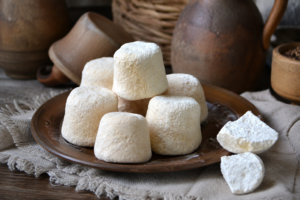

33 Responses
The mobile app is incredibly stable even during peak match hours. Real time score updates and one tap betting make it so convenient. Support team resolves issues instantly and the daily cashback keeps the momentum going. 5nnbetapp
I switched over from another platform and the difference is night and day. The slots run incredibly smooth with zero lag even during peak hours and the sound effects actually make the wins feel that much better. I appreciate that they update their game library every single month. Payouts are processed quickly and I never felt like my account was getting stuck in review. mxslots
I have been playing here for a few weeks and the experience is consistently smooth. Payments arrive without any delays and the game library keeps getting better. Visit in24kwinner
[6280]gt99 Official Login – অ্যাপ ডাউনলোড ও সেরা লাইভ ক্যাসিনো বোনাস,gt99 প্ল্যাটফর্মে সহজেই লগইন করে অনলাইন স্লট গেমের নিয়ম জানুন এবং বিকাশ ক্যাশআউটের সুবিধা নিন। আজই যোগ দিয়ে দারুণ বোনাস উপভোগ করুন। visit: gt99
[9728]77cuci Official Login | Trusted Online Slots & Live Casino Malaysia,77cuci provides a seamless experience for online slots in Malaysia. Download the official app for fast payouts and secure access to live games. Join now! visit: 77cuci
[2317]olxtoto88: Login Resmi Link Alternatif Slot Gacor Deposit Pulsa,olxtoto88 menyediakan akses link alternatif resmi untuk main slot gacor hari ini. Nikmati kemudahan deposit pulsa tanpa potongan. Daftar dan login sekarang juga! visit: olxtoto88
[3350]Pinus88: Login Resmi & Link Alternatif Situs Slot Gacor Hari Ini,Pinus88 menyediakan akses daftar judi online deposit pulsa yang mudah dan panduan cara main baccarat online bagi pemula. Segera bergabung dan mulai bermain sekarang. visit: pinus88
[5952]win777 | Link Vào Chính Thức và Hướng Dẫn Nạp Tiền Nhanh,win777 cung cấp link truy cập an toàn, hướng dẫn tải app APK nhanh chóng cùng mẹo chơi baccarat và nổ hũ chi tiết cho người mới. Khám phá ngay thế giới casino đỉnh cao! visit: win777
[9804]Spinsy | Link Vào Chính Thức – Casino Trực Tuyến Uy Tín Số 1,Spinsy cung cấp trải nghiệm casino trực tuyến chuyên nghiệp. Nhanh tay tải app APK để khám phá cách chơi baccarat online và nạp tiền qua ví Momo tiện lợi. Tham gia ngay! visit: spinsy
[6461]fgfox | Link Vào Chính Thức – Game Bài Đổi Thưởng Uy Tín,fgfox cung cấp link vào chính thức an toàn. Tải app APK dễ dàng để trải nghiệm game bài đổi thưởng uy tín và tìm hiểu luật chơi baccarat chi tiết. Truy cập ngay! visit: fgfox
The login process is seamless and the security makes me feel safe. I had a great run last night and the customer support was very helpful. Give ph55bmwapploginakp a shot!
No more endless loading screens. The login is instant and the connection is stable even on my mobile data. A very seamless gaming experience at jili588casinologin
The payouts are fair and the games are top notch. I have told all my friends to join pkpion777
[4791]999bet Official Login | Pinakamabilis na GCash Casino sa PH,999bet ang iyong gateway sa legit online slots ph. Mag-download na ng app para sa mabilis na access at alamin kung paano maglaro ng baccarat. Sali na ngayon! visit: 999bet
Finally found a site that doesn’t lag during peak hours. The login process is quick and the games are top notch. Great job on the optimization! jiligo88login
[7087]reyplaymx Login Oficial | Mejores Slots y Depósitos Rápidos,Accede a reyplaymx para disfrutar de las mejores slots online en México. Descarga la app oficial, realiza depósitos rápidos y aprende a jugar ruleta. ¡Regístrate hoy! visit: reyplaymx
Honestly, I was skeptical at first but the payouts here are legit. The interface is super smooth and I had no issues with my first withdrawal. Definitely recommending idimpor88 to my buddies.
The community here is great and the bonuses are actually worth it. I had a blast playing last night. Definitely visit kkclubonlineplay.
The app version is just perfect for gaming on the go. No crashes and very responsive. Download suoerbetapp now.
Such a fun experience! The promotions they offer are actually fair and the registration process was a breeze. I am loving the vibes here. jilibeecasino
I’ve been playing here for a while now and the payouts are surprisingly fast. Definitely one of the most reliable sites I’ve found lately. Check out phokbetnet for a great experience.
Really impressed with the customer support and the overall layout of the site. Everything is very transparent and fair. Give idmacaubet a try!
[4872]Rabona বাংলাদেশ: অ্যাকাউন্ট খোলা ও বিকাশ ডিপোজিট গাইড,Rabona-তে দ্রুত অ্যাকাউন্ট খোলা এবং বিকাশ দিয়ে ক্যাসিনো ডিপোজিট করুন। অনলাইন স্লট গেম খেলার নিয়ম জানুন ও লাইভ ক্যাসিনো বোনাস অফার পেতে আজই জয়েন করুন। visit: rabona
Super easy to navigate and the graphics are top notch. I’ve had some great wins here recently. Cheers to ku9iapp for the great service.
The graphics are amazing and the gameplay is very addictive. I spend way too much time on pkgamespk lately, but I love it.
Finally found a site that actually treats its players well. The bonuses are legit and the support team is very helpful. Love vnve88
Top quality gaming experience and the customer support is very helpful. Give evojililogin a try
[3651]pgsoft লগইন ও অ্যাপ ডাউনলোড – বিকাশ পেমেন্ট ক্যাসিনো সাইট,pgsoft লগইন করে সেরা অনলাইন স্লট গেম ট্রিকস শিখুন। বিকাশ দিয়ে ক্যাসিনো গেম খেলুন এবং দ্রুত pgsoft app download করে আজই জয়েন করুন। visit: pgsoft
Really impressed with the customer service and the fast withdrawal process. It feels safe and professional. Glad I joined idmahesa189 for my daily gaming.
Such a joyful experience overall. The graphics are sharp and the games load instantly. If you are looking for quality entertainment, ph11phjoy is the way to go.
The bonuses they offer are actually decent and not just clickbait. I had a blast playing on bdfk77 last night!
Really impressed with the interface here. Everything is smooth and the payouts are surprisingly fast. Highly recommend bdkhelaghar for anyone looking for a reliable spot.
Best place for those who love a good challenge. The community is great and the rewards are legit. I’m staying with vnxoxo88 for a long time.