

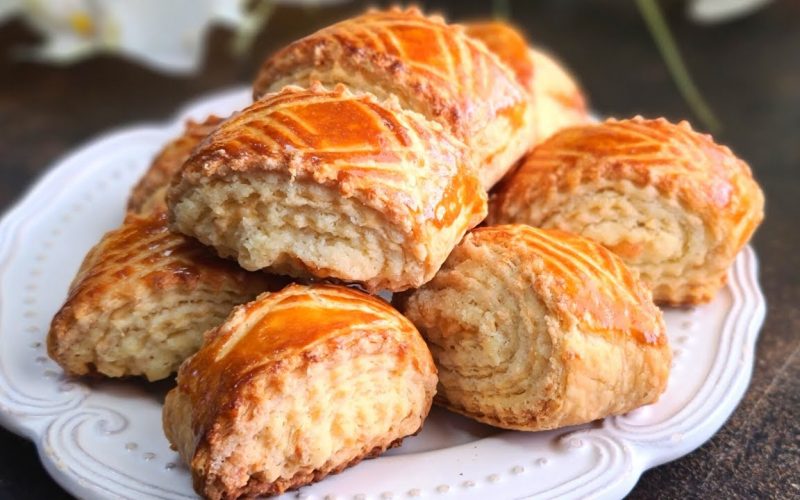
Brief Overview of Armenian Culinary Heritage
Armenian cuisine is one of the oldest culinary traditions in the world, shaped by millennia of history, a unique geographic landscape, and a deep cultural connection to food. Situated in the South Caucasus, Armenia lies at the crossroads of Europe and Asia. This position has allowed Armenian gastronomy—especially its desserts—to absorb, reinterpret, and refine influences from neighboring regions. At the same time, Armenian sweets preserve their own distinct identity, built on local ingredients and ancient techniques passed down through generations.
Geography and climate influence on ingredients
Armenia’s diverse geography—mountain ranges, sunny valleys, fertile plains, and alpine highlands—creates ideal conditions for producing high-quality fruits, nuts, herbs, and honey. The climate features warm summers and cold winters, which contributes to rich flavors and high natural sugar content in produce. Apricots, peaches, cherries, grapes, figs, pomegranates, and plums flourish here; in fact, Armenia is often called the “land of apricots,” as the fruit has grown wild in the region since ancient times.
Walnuts, pistachios, hazelnuts, and almonds also grow abundantly. Combined with aromatic spices such as cinnamon, cloves, and cardamom, these ingredients form the basis of many traditional Armenian desserts.
Armenia’s ancient history and its role in shaping culinary traditions
Armenians are among the oldest settled civilizations, with culinary practices dating back thousands of years. Archaeological finds, including ancient wine presses and dried fruit cellars, prove that Armenians were producing sweets, fruit preserves, and desserts long before many modern cultures emerged. These traditions evolved through interactions with Persian, Byzantine, Arabic, Russian, and Ottoman culinary systems—but always maintained a distinctly Armenian soul, emphasizing simplicity, natural flavors, and craftsmanship.
Many Armenian desserts have ceremonial or symbolic significance. Halva, dried fruit rolls, and churchkhela-like sweets were enjoyed during religious holidays. Honey-drenched pastries were served at weddings and celebratory feasts. Even today, Armenian families prepare homemade jams, fruit pastes, and festive baked goods according to ancestral recipes, reinforcing the strong connection between food and heritage.
Why Armenian Desserts Stand Out
Armenian desserts may not be as internationally famous as French pastries or Middle Eastern baklava, yet they hold a unique place in the world of sweets. Their distinctiveness comes from their natural ingredients, balanced flavors, and the harmonious blend of regional influences embedded in the culinary identity of Armenia.
Natural ingredients (honey, nuts, fruits)
Armenian sweets prioritize wholesome, minimally processed ingredients. Honey—one of the oldest sweeteners in the world—remains central in many traditional recipes. Nuts, seeds, and dried fruits add texture and natural sweetness, while spices enhance aroma rather than dominate flavor. This focus on authenticity makes Armenian desserts feel both ancient and timeless.
Common ingredients include:
- Honey – used instead of refined sugar in many traditional sweets
- Walnuts and almonds – essential for pastries, rolls, and nougat-style confections
- Apricots and plums – often dried and transformed into fruit lavash or stuffed delicacies
- Grapes – used for syrups, molasses, and wrappings
- Sesame seeds and tahini – especially in halva variants
The result is a dessert repertoire that is rich yet not overly sugary.
Fusion of regional influences (Persian, Russian, Middle Eastern)
Armenian desserts reflect the cultural intersections of their region. You’ll find:
- Honey and nut pastries reminiscent of Persian and Middle Eastern traditions
- Fruit preserves shaped by rural Armenian customs
- Russian-era sponge cakes and layered pastries adopted during the 19th–20th centuries
- Caucasian specialties such as sweet sujukh (similar to Georgian churchkhela)
Yet Armenian cooks always reinterpret these influences with their own techniques, spices, and ingredient combinations. The outcome is a dessert culture that feels familiar but distinctly Armenian.
Importance of desserts in Armenian hospitality
In Armenia, hospitality is not merely politeness—it is a cultural value. Guests are always offered something sweet, often accompanied by strong coffee or herbal tea. Whether it’s homemade jam served with cold water, dried fruit assortments, or elaborate pastries prepared for celebrations, desserts play a central role in welcoming visitors.
This tradition reinforces the idea that sharing sweets means sharing joy, blessings, and respect. Many Armenian families still keep their cupboards stocked with preserves, walnuts, and dried fruits specifically for hosting guests on short notice.
Purpose and Structure of the Article
This article aims to provide a comprehensive guide to the most beloved Armenian desserts—from the oldest, almost prehistoric fruit sweets to the modern pastries found in today’s Yerevan cafés. Whether you are a traveler planning a culinary trip, a home cook experimenting with new recipes, or simply a dessert lover, this guide will help you appreciate the richness and diversity of Armenian sweets.
What readers will learn
Throughout this article, you will discover:
- The historical origins behind Armenia’s most iconic desserts
- The ingredients and techniques that make Armenian sweets unique
- Regional variations and holiday specialties
- How ancient fruit-based desserts evolved into modern Armenian patisserie
- Where to find authentic Armenian sweets today
You will also gain insight into the cultural meanings attached to different types of desserts and their role in Armenian daily life, celebrations, and hospitality traditions.
Diversity: from ancient sweets to modern café favorites
Armenian desserts cover an impressive spectrum:
- Ancient fruit-based sweets such as alani (stuffed dried fruits), t’tu lavash (fruit leather), and honeyed nuts
- Traditional pastries and confections like gata, pakhlava, shakar lokhum, and halva
- Regional specialties shaped by local ingredients and customs
- Soviet-era influences including layered cakes, cookies, and cream-filled pastries
- Contemporary café favorites blending Armenian flavors with modern culinary trends
By exploring this variety, readers will gain a complete understanding of how Armenian desserts evolved, how they are prepared, and what makes them so valued in Armenian culture.
Historical Background of Armenian Sweets
Ancient Origins
The story of Armenian desserts begins in ancient times, long before refined sugar or sophisticated baking methods existed. Early Armenians relied on the natural bounty of their environment—fragrant honey, sun-ripened fruits, and locally grown nuts—to create simple yet meaningful sweets. These early confections were more than just culinary delights; they held cultural, symbolic, and even ceremonial significance.
Use of honey as a sweetener
Honey was the primary sweetening agent in Armenia for thousands of years. Beekeeping has a long history in the region, evidenced by ancient artifacts and written records. Honey was prized not only for its sweetness but also for its preservative qualities and its symbolic meaning of purity and blessing.
Armenians used honey to glaze nuts, bind ground seeds into energy-rich pastes, and preserve fruits. Dried grapes and mulberries were also processed into thick syrups—such as doshab, a grape molasses—used in both cooking and dessert-making. These techniques formed the foundation for many traditional Armenian sweets still enjoyed today.
Symbolic desserts for rituals and holidays
Armenian desserts often carried symbolic meaning connected to spirituality, agricultural cycles, and family tradition. Some examples include:
- Khashil and sweet porridges made for winter and harvest festivals
- Gata, whose coin-filled version symbolizes prosperity and good fortune
- Honeyed nuts and sesame sweets prepared for weddings and celebrations
- Anoushabour, an apricot or wheat-based pudding traditionally served during Christmas and major feasts
- Dried fruit assortments used in religious and funerary rituals
These early desserts were inseparable from Armenian cultural identity, marking life’s transitions—birth, marriage, welcome, farewell—and strengthening communal bonds.
Influence of Silk Road Trade
Armenia’s strategic position along the Silk Road transformed its dessert traditions in profound and lasting ways. As merchants and travelers moved through the region, they brought exotic ingredients, new techniques, and culinary inspiration that enriched Armenian gastronomy.
Introduction of spices, dried fruits, and nuts
Although Armenia already had an abundance of local fruits and nuts, Silk Road trade introduced:
- Cinnamon, cloves, cardamom, and nutmeg, which added aromatic complexity
- Dates, figs, and rare dried fruits, broadening the palette of confections
- Almonds and pistachios in larger quantities, strengthening their role in pastry-making
These ingredients became seamlessly integrated into Armenian sweets, often combined with traditional components like honey, walnuts, and apricots to create new flavors that were both familiar and exotic.
Evolution of pastry techniques
Contact with Persian, Arabic, Ottoman, and Greek culinary traditions introduced new dessert-making techniques, such as:
- Layering thin sheets of dough, which eventually contributed to the evolution of Armenian pakhlava
- Candying fruits and nuts, a method used to make preserves and confections for long journeys
- Rolling fruit pastes into sheets, eventually forming what is now known as t’tu lavash (fruit leather)
- Refinement of halva-making processes, introducing tahini-based varieties alongside traditional semolina and flour-based versions
Through these exchanges, Armenian sweets evolved from simple honey-and-fruit combinations to more elaborate pastries and confectionery, though they never lost their connection to natural flavors and wholesome ingredients.
Diaspora and Modern Adaptations
The Armenian diaspora—spread across the Middle East, Europe, Russia, and the Americas—has played a crucial role in preserving and transforming Armenian dessert traditions. Wherever Armenian communities settled, they brought their recipes, techniques, and holiday customs with them, adapting them to local ingredients and tastes.
How Armenian desserts changed abroad
Armenian bakers in the diaspora often modified traditional sweets due to ingredient availability or cultural influence. Examples include:
- Using cow’s milk butter instead of clarified butter in Western countries
- Incorporating local fruits, such as cranberries or dates, into traditional recipes
- Adopting new baking tools and methods, leading to lighter cakes and more Western-style pastries
- Creating fusion desserts, such as Armenian-inspired cheesecakes or modernized gata with chocolate or cream fillings
In Middle Eastern countries like Lebanon and Syria, Armenian desserts blended with regional culinary traditions, contributing to a shared yet distinct confectionery culture. In the U.S. and Europe, Armenian bakeries introduced their own versions of baklava, fruit preserves, and nut confections.
Regional variations (Eastern vs. Western Armenian cuisine)
The division between Eastern (Republic of Armenia) and Western (historical Armenian regions in the Ottoman Empire) Armenian culinary traditions has also influenced dessert styles.
- Western Armenian desserts often reflect stronger Middle Eastern and Ottoman influences, featuring:
- more syrup-drenched pastries
- tahini-rich confections
- spice-forward flavor profiles
- elaborate layered sweets and stuffed pastries
- more syrup-drenched pastries
- Eastern Armenian desserts tend to emphasize local ingredients and rural traditions, featuring:
- fruit-based desserts like apricot pastes, mulberry syrup, and fruit lavash
- simpler pastries with minimal syrup
- walnut- and grape-centric sweets
- a balance of sweetness and natural fruit acidity
- fruit-based desserts like apricot pastes, mulberry syrup, and fruit lavash
Despite these differences, the core philosophy remains consistent: Armenian sweets must be generous, flavorful, and rooted in tradition.
Key Ingredients in Armenian Desserts
Armenian desserts are celebrated for their deep flavors, natural sweetness, and wholesome ingredients. While Armenian culinary traditions have evolved over the centuries, a consistent characteristic of Armenian sweets is their reliance on high-quality, locally sourced components. The following key ingredients—nuts, dried fruits, sweeteners, dough bases, and aromatic spices—form the foundation of both ancient and modern Armenian confectionery.
Nuts
Nuts play a central role in Armenian desserts, providing richness, crunch, and aromatic complexity. Due to Armenia’s mountainous terrain and favorable climate, nut trees thrive throughout the region. As a result, nuts have shaped the identity of Armenian sweets for millennia.
Walnuts, pistachios, almonds, hazelnuts
- Walnuts are the most commonly used nut in Armenian cooking. They appear in pastries such as pakhlava, gata, and nazook, as well as in fruit-stuffed sweets (alani), churchkhela-style confections (sweet sujukh), and honey-coated treats. Their slightly bitter, earthy flavor balances the sweetness of honey and syrups.
- Pistachios are particularly valued in Western Armenian and Middle Eastern–influenced desserts. They add a vibrant green color and delicate flavor to pastries, nougat-like confections, and halva varieties.
- Almonds feature in marzipan-like sweets, festive pastries, and often appear as decorative elements on celebratory cakes. Ground almonds may also be blended with honey to create dense, nourishing confections.
- Hazelnuts are locally grown in some regions and frequently used in chocolate-coated sweets, halvas, and baked pastries.
Symbolism and common uses
In Armenian culture, nuts symbolize abundance, fertility, and prosperity. This symbolism explains their presence at weddings, holidays, and major celebrations. They are commonly:
- Ground into fillings for rolled or layered pastries
- Mixed with honey or syrups to create sticky, textured candies
- Stuffed into dried fruits for special-occasion treats
- Combined with spices for wintertime desserts
- Used as decorative elements atop festive cakes and breads
In essence, nuts bring structure, tradition, and richness to Armenian dessert-making.
Dried Fruits
Dried fruits are among the oldest sweet ingredients in Armenian cuisine. Thanks to the region’s hot, dry summers and abundant sunshine, Armenians perfected the art of sun-drying fruits thousands of years ago. These preserved fruits provided essential nourishment during winter and became deeply embedded in local culinary tradition.
Apricots, plums, raisins, figs
- Apricots are considered the national fruit of Armenia. Dried apricots range from bright orange to deep brown depending on the drying method. They are used in countless sweets, including alani (dried apricots stuffed with walnuts), fruit lavash, compotes, and holiday desserts.
- Plums are dried into tart prunes or sweet fruit sheets. Their deep, rich flavor adds balance to otherwise sweet pastries and preserves.
- Raisins (especially dark and golden varieties) are used in breads, porridges, rice-based holiday dishes, and certain cakes influenced by Russian and European traditions.
- Figs—both fresh and dried—are popular in Western Armenian desserts, especially in sweets that combine figs with nuts and honey.
Sun-drying traditions in Armenian villages
Traditional Armenian fruit drying is a communal, often celebratory process:
- Fruits are washed, pitted, and laid out on large trays or woven mats.
- They dry naturally under the sun, sometimes over several days.
- No additives, sulfites, or preservatives are used in rural areas; the process is entirely natural.
- Families produce large quantities of dried fruit to last through winter.
One of the most iconic creations of this tradition is fruit lavash (t’tu lavash), a concentrated fruit puree spread thinly and dried into leathery sheets. It is one of Armenia’s most ancient sweets and remains widely enjoyed today.
Sweeteners
Sweetness in Armenian desserts comes from both ancient and modern sources. Historically, Armenians relied on natural sweeteners long before sugar became widely available. While refined sugar is now common, the traditional sweeteners—honey and fruit syrups—remain symbols of authenticity.
Honey, mulberry syrup, grape molasses, sugar
- Honey is the oldest and most symbolic sweetener in Armenian cuisine. Used in pastries, nut confections, drinks, and glazes, it imparts a floral aroma and golden color.
- Mulberry syrup (tosht muraba or mulberry doshab) is a thick, dark, nutrient-rich syrup made from white or black mulberries. It has a deep flavor and is often used in desserts, drizzled over Armenian yogurt, or consumed medicinally.
- Grape molasses (doshab) is produced by slowly boiling down grape juice until it forms a rich, caramel-like syrup. It is a key ingredient in sharots (sweet sujukh) and various fruit-based sweets.
- Sugar became widespread during the 19th and 20th centuries and is now used in cakes, cookies, jams, and modern pastries. Despite its popularity, many Armenians still prefer natural sweeteners for traditional recipes.
Dough and Pastry Bases
Armenian desserts utilize two primary dough types: thin, delicate sheets for layered pastries and thicker, hearty doughs for traditional baked goods. Each plays a crucial role in shaping the texture and character of Armenian sweets.
Phyllo dough
Phyllo, with its paper-thin layers, is essential for sweets influenced by Middle Eastern and Ottoman cuisine. Armenian bakers often hand-roll phyllo until nearly transparent, a skill passed down through generations. It is used in:
- Pakhlava (Armenian baklava)
- Rolled pastries with nut fillings
- Syrup-soaked sweets with layered textures
Armenian phyllo tends to be slightly thicker than the Turkish or Greek version, giving pastries a more substantial bite.
Thick wheat dough for traditional pastries
Before phyllo became popular, Armenians primarily used dense, wheat-based doughs. These are still essential for:
- Gata – a buttery, slightly sweet bread with a crumbly filling
- Nazook – a flaky, rolled pastry with a soft inner layer
- Khorizov hats – celebratory breads enriched with butter and spices
- Holiday pastries shaped in symbolic patterns
These doughs typically rely on flour, butter, yogurt, and sometimes sour cream, giving them a rich but comforting texture.
Spices and Aromatics
Aromatic spices elevate Armenian desserts, adding warmth, depth, and a sense of history. While Armenian sweets are not as heavily spiced as some Middle Eastern or Indian desserts, the flavors are used thoughtfully and harmoniously.
Cinnamon, clove, cardamom, anise, rose water, orange blossom
- Cinnamon is the most widely used spice, often paired with walnuts in pastries and fruit-based desserts.
- Clove adds a warm, slightly peppery note to compotes, preserves, and winter sweets.
- Cardamom is used sparingly to add floral, citrusy undertones to cakes, halvas, and festive pastries.
- Anise provides a mild licorice flavor, often used in breads and cookies around major holidays.
- Rose water brings a delicate floral aroma characteristic of Western Armenian and Middle Eastern–influenced sweets.
- Orange blossom water is similarly used to enhance syrups and doughs, offering a light, refreshing fragrance.
Together, these aromatics help create the unmistakable scent and comforting flavor profile of Armenian desserts.
Best Traditional Armenian Desserts
Armenian desserts reflect centuries of culinary tradition rooted in natural ingredients, regional flavors, and celebrations of family and hospitality. The following sweets represent the heart of Armenian confectionery—each one tied to a specific region, season, or cultural custom.
Gata (Գաթա)
Gata is one of Armenia’s most iconic pastries—a rich, buttery, slightly sweet bread filled with a crumbly mixture known as khoriz. While its ingredients are simple, its preparation is steeped in tradition, symbolism, and regional diversity.
Regional varieties: Artsakh, Yerevan, Meghri
- Artsakh Gata is large, round, and thick, often decorated with intricate patterns. Its filling is generous, moist, and buttery.
- Yerevan-style Gata is lighter and flakier, resembling a cross between a cake and a pastry, with a more delicate khoriz layer.
- Meghri Gata from southern Armenia is known for being extra sweet and aromatic, sometimes infused with spices or baked with a darker, caramelized crust due to the region’s warm climate and fruit-rich cuisine.
Each region’s version reflects local preferences in texture, sweetness, and dough thickness.
Importance in weddings and festivals
Gata is strongly associated with celebrations. During weddings, it symbolizes prosperity, blessing, and the sweetness of married life. It is also prepared during major holidays, especially during Tiarn’ndaraj (Armenian Candlemas) and pilgrimages to Gharabagh Gata festivals, where enormous gatas—sometimes meters in diameter—are baked and shared.
A unique tradition includes hiding a coin inside the gata. Whoever finds it is believed to receive good luck and fortune for the year.
How it’s made: dough, khoriz filling
Gata consists of:
- A buttery wheat dough enriched with eggs and sour cream or yogurt.
- A khoriz filling made from flour, sugar, and butter mixed into a sandy, crumb-like texture.
The pastry is rolled, filled, shaped, and baked until golden. Some versions include decorative braids or symbolic patterns etched into the dough before baking.
Best places to try in Armenia
- Garni village – famous for wood-fired gata baked in traditional clay ovens (tonirs).
- Artsakh (Nagorno-Karabakh) – celebrated for its enormous festival gatas.
- Goris and Meghri – known for sweet southern-style variants.
- Yerevan bakeries and cafés – especially in Kond and Kentron districts.
Pakhlava (Armenian Baklava)
Armenian pakhlava shares similarities with Turkish and Greek baklava but retains unique features rooted in Armenian culinary tradition.
Differences from Turkish and Greek versions
- Armenian pakhlava often uses thicker, slightly softer phyllo layers, giving it a heartier texture.
- The primary nut is walnut rather than pistachio.
- The filling frequently contains spices such as cinnamon and clove, offering a warmer, earthier flavor.
- The shape is traditionally diamond-cut, symbolizing good fortune.
Use of cinnamon and clove
Unlike many regional varieties, Armenian pakhlava relies on fragrant spices to enrich the nut mixture. Cinnamon adds warmth while clove introduces gentle spice—both complement the sweetness of the syrup poured over the baked pastry.
Traditional holiday preparation
Pakhlava is most commonly prepared during:
- Christmas (January 6 in Armenian Apostolic Church tradition)
- Easter
- Major family events and baptisms
Many families still follow ancestral recipes, preparing pakhlava over several hours as a communal process.
Sujukh / Churchkhela (Soujouk)
Known as sharots or sweet sujukh in Armenia, this dessert is often compared to Georgian churchkhela but retains Armenian character and technique.
Grape molasses + nuts
The traditional version is made by:
- Stringing whole walnuts on a thread.
- Dipping them repeatedly into thick grape molasses (doshab) cooked with flour to create a dense, glossy coating.
- Drying the strands until firm.
The result resembles a sausage, hence the name sujukh.
Storage for winter
Historically, sweet sujukh served as a high-energy winter food:
- It stores for months without refrigeration.
- It was a staple for travelers, shepherds, and families during cold seasons.
Many rural households still prepare sujukh each autumn during grape harvesting season.
Cultural symbolism
Sujukh symbolizes abundance, resilience, and the value of communal labor. Its preparation is often a group activity among families and neighbors.
Armenian Halva (Հալվա)
Armenia boasts several halva traditions, each with distinct textures and ingredients.
Flour-based vs. tahini-based variants
- Flour-based halva is made by slowly roasting flour in butter until golden, then sweetening it with syrup or sugar. It becomes dense, soft, and delicately aromatic.
- Tahini-based halva, influenced by Middle Eastern cuisine, is crumbly and rich, made from sesame paste and sugar syrup. Often enhanced with nuts, chocolate, or spices.
Special holiday associations
Flour halva is commonly prepared for:
- Memorial days, where it carries symbolic meaning of remembrance.
- Religious fast periods, as it does not contain dairy in some versions.
- Winter celebrations, as its warm, nutty flavor provides comfort during cold months.
Armenian Rice Pudding (Anoush)
Called Anoush (meaning “sweet”), Armenian rice pudding is a simple yet deeply nostalgic dish.
Rose water and nut toppings
The base consists of milk, rice, and sugar, cooked slowly until creamy. It is then flavored with:
- Rose water or orange blossom water
- Cinnamon
- Ground or chopped nuts, often pistachios or almonds
These aromatics give Anoush a delicate floral fragrance.
Served during family celebrations
Anoush is often prepared for:
- Birthdays
- Baptisms
- New Year gatherings
- Family dinners after major religious holidays
Its simplicity represents purity, comfort, and familial warmth.
Khapama (Խափամա)
Khapama is one of Armenia’s most festive desserts—a spectacular dish made from a whole pumpkin stuffed with sweet ingredients.
Stuffed baked pumpkin with dried fruits, rice, honey
Traditional khapama includes:
- A hollowed pumpkin filled with rice, dried apricots, raisins, prunes, nuts, butter, and honey.
- The pumpkin is then baked until tender, allowing the flavors to blend into a fragrant, colorful mixture.
New Year tradition
Khapama is often served during:
- New Year’s Eve
- Christmas season
- Major winter celebrations
It symbolizes abundance, warmth, and the richness of the Armenian harvest.
Famous folk song about khapama
Khapama is so beloved that a traditional folk song—“Hey Jan Ghapama”—celebrates it. The lively melody is frequently performed at weddings and festivals, reinforcing its joyful cultural symbolism.
Arishta with Honey and Walnuts
Arishta is handmade Armenian noodles traditionally used in savory dishes but also transformed into a sweet delicacy.
Hand-made noodles used as a sweet dish
The noodles are:
- Boiled and drained.
- Mixed with melted butter, honey, and crushed walnuts.
- Sometimes dusted with cinnamon for extra warmth.
The result is a satisfying, comforting dessert.
Rural village tradition
Sweet arishta is especially popular in:
- Mountain villages
- Harvest-season feasts
- Families who make large batches of arishta at home to use throughout the year
It reflects Armenia’s tradition of transforming everyday ingredients into celebratory dishes.
Nazook / Nazouk
Nazook is a beloved Armenian pastry found in bakeries, cafés, and home kitchens.
Buttery layered pastry with sweet filling
Nazook features:
- A tender, buttery dough rolled thin
- A sweet filling made from flour, butter, and sugar
- A golden, flaky outer crust due to egg wash
Its texture is soft and layered, with a mildly sweet interior.
Popular café dessert
Nazook is widely served in:
- Yerevan coffee shops
- Rural village bakeries
- Armenian diaspora cafés abroad
It pairs perfectly with tea or Armenian coffee.
Ttu Lavash (Fruit Leather)
Known as t’tu lavash, this ancient dessert is a testament to Armenia’s mastery of fruit preservation.
Apricot, cornelian cherry, plum versions
Fruit lavash is made by:
- Cooking fruit into a thick puree
- Spreading it into thin sheets
- Sun-drying it until flexible and leathery
Common varieties include:
- Apricot lavash – sweet and tangy
- Cornelian cherry (hon) – deeply tart
- Plum lavash – rich and slightly acidic
Natural, no-sugar traditions
Traditional recipes contain no added sugar—only fruit. This makes t’tu lavash one of the healthiest and most authentic Armenian desserts.
Alani (Stuffed Dried Peaches)
A luxurious sweet from southern Armenia.
Origin in Syunik region
The Syunik province, with its warm climate and abundant orchards, is the birthplace of Alani.
Peaches stuffed with walnuts and sugar syrup
Alani is made by:
- Drying ripe peaches.
- Rehydrating them slightly.
- Stuffing them with a mixture of walnuts, sugar syrup, and sometimes spices or honey.
- Allowing them to dry again so the flavors meld.
It is considered a premium dessert, often reserved for special guests or celebrations.
Matzoon-Based Sweets
Matzoon (Armenian yogurt) is a cornerstone of the local diet and forms the base for a variety of refreshing, lightly sweetened desserts.
From yogurt to lightly sweetened puddings
Traditional examples include:
- Matzoon with honey and nuts – simple, healthy, and refreshing
- Matzoon mousse – whipped yogurt with a touch of sugar or honey
- Tanapur-style sweet puddings – a fusion between yogurt soup and dessert
- Frozen matzoon desserts resembling ice cream
These dishes emphasize Armenia’s preference for natural dairy flavors balanced with gentle sweetness.
Armenian Holiday and Ritual Desserts
Armenian desserts are deeply intertwined with the country’s spiritual traditions, seasonal celebrations, and family rituals. Many sweets carry symbolic meanings—prosperity, fertility, remembrance—and continue to be prepared during major holidays and life events. This section explores the desserts that hold a special place on Armenian festive tables, revealing how food becomes a bridge between generations.
New Year and Christmas Desserts
Armenian New Year (Amanor) and Christmas (Surb Tsnund), celebrated on January 6, are among the most dessert-rich holidays. Families prepare generous tables to welcome prosperity and happiness into the home.
Gata
Gata is almost indispensable during Armenian winter holidays. Served to guests as a symbol of luck and abundance, it is often arranged in large decorative rounds. In some regions, a coin is baked into the dough, much like a fortune bread. Whoever finds the coin is believed to enjoy a particularly blessed year.
Pakhlava
Armenian pakhlava (baklava) is another festive must-have. Its warm spices—cinnamon, clove, and sometimes cardamom—give it a comforting winter aroma. Families traditionally prepare pakhlava in big trays a few days before New Year, allowing the syrup to fully soak into the layers of pastry.
Khapama
Khapama, a lavish stuffed pumpkin filled with rice, honey, dried fruits, and nuts, is often served during the New Year season as well. The dish is associated with bringing sweetness and abundance to the household for the coming year. Its famous folk song “Hey Jan Ghapama” is still sung at family gatherings, underscoring the dish’s festive significance.
Easter Desserts
Easter in Armenia, known as Zatik, is a celebration of rebirth and renewal. While the holiday centers on symbolic foods such as eggs and herbs, sweet pastries also play an important role.
Nazook
Nazook, the buttery rolled pastry with a fragrant sweet filling, is a popular addition to Easter breakfast or brunch. Its golden color and soft, rich texture reflect themes of abundance and blessing.
Sweet Easter Breads
Armenian sweet breads—soft, lightly spiced loaves—are often prepared around Easter. They may be braided or round, sometimes decorated with dough patterns or sesame seeds. Although less widely known internationally, these breads have been a staple of Armenian springtime celebrations for centuries, symbolizing renewal and the end of Lent.
Wedding & Engagement Desserts
Armenian weddings are celebrated with remarkable hospitality, and sweets play a central role in honoring guests and blessing the newlyweds.
Symbolic Sweets for Guests
A traditional wedding table features an assortment of desserts such as gata, pakhlava, sujukh, and nut-filled pastries. Guests are often gifted small plates or boxes of sweets to take home as tokens of gratitude and shared happiness.
Meaning of Honey and Nuts
Honey is associated with sweetness, harmony, and a prosperous married life. Nuts—particularly walnuts and almonds—symbolize fertility, endurance, and strong family roots. Many wedding desserts incorporate these ingredients to represent the couple’s future hopes and the unity of their families.
Funeral and Memorial Desserts
Even in solemn moments, Armenian culinary traditions offer symbolic comfort and remembrance through specific sweet dishes.
Koliva
Koliva is a ceremonial dish made from boiled wheat mixed with raisins, sugar, walnuts, and sometimes pomegranate seeds. It is traditionally served at funerals and memorial services (known as hokehankist) to honor the departed.
The symbolic meaning of koliva is multilayered:
- Wheat represents the cycle of life, death, and rebirth.
- Raisins and nuts reflect the sweetness and richness of the human soul.
- Sugar embodies hope and eternal peace.
Koliva is not merely a dessert but a ritual offering that underscores the Armenian value of remembering one’s ancestors and cherishing family heritage.
Regional Variations
Armenia’s landscape—from mountainous highlands to fertile valleys—has shaped distinct culinary identities across its regions. Desserts vary notably from one province to another, reflecting local climate, agriculture, and historical influences. Additionally, the Armenian diaspora and the traditions of Western Armenia (now largely outside Armenia’s current borders) have contributed their own variations. Together, these regional expressions make Armenian dessert culture exceptionally rich and diverse.
Desserts from Yerevan and Central Armenia
The capital region and the central provinces showcase a blend of traditional recipes and modern culinary trends. As Armenia has undergone rapid urban development, Yerevan has become a hub for innovative patisserie culture while still honoring its heritage.
Modern Bakery Influences
Cafés and boutique bakeries in Yerevan have modernized classic Armenian desserts by:
- Introducing delicate glazing and French-style presentation
- Using lighter doughs or alternative fillings
- Combining Armenian flavors—like apricot, walnut, and honey—with international pastry techniques
For example, contemporary versions of nazook may be filled with chocolate or pistachio cream, while modern gata is sometimes shaped into individual portions for café service. Despite these innovations, the essence of Armenian flavor profiles remains intact.
Artsakh / Karabakh Variants
Artsakh (Nagorno-Karabakh) is known for hearty, rustic desserts that reflect the mountainous terrain and agricultural lifestyle of the region.
Thick Gata
While many parts of Armenia prepare gata with thin, layered dough, Artsakh’s version is notably thicker and more bread-like. It is often baked as a large, round loaf with a dense, buttery khoriz filling. The pastry’s texture resembles a cross between cake and bread, making it especially comforting in winter months.
Rich Nut Fillings
Given the abundance of walnuts in the region, Artsakh’s desserts frequently use generous amounts of chopped nuts mixed with sugar, butter, and warm spices. This can be seen in:
- Stuffed pastries
- Local variations of pakhlava
- Sweet braided breads for holidays
The desserts of Artsakh represent strength, hospitality, and tradition, often prepared in large communal batches during celebrations.
Syunik Region
Syunik, a mountainous province bordering Iran, is famous for its fruit-growing villages and unique dessert traditions tied to local harvests.
Unique Dried Fruits and Stuffed Peaches
Syunik’s warm summers allow for extensive drying of fruits such as:
- Peaches
- Apricots
- Plums
- Cornelian cherries
One of Syunik’s signature sweets is alani, made from dried peaches stuffed with walnuts and a light sugar syrup. This dessert exemplifies the region’s mastery of combining fruit and nuts into flavorful, shelf-stable sweets.
Other specialties include:
- Fruit rolls made without added sugar
- Honey-soaked dried fruit assortments
- Village-style jams and preserves used as dessert servings
Syunik’s sweets embody purity and natural sweetness rooted in the region’s agricultural riches.
Lori and Shirak Regions
Located in the colder north, the Lori and Shirak regions have dessert traditions shaped by long winters and rural lifestyles. Their sweets are often hearty, simple, and deeply comforting.
Cold-Climate Influences
Because fresh fruit was historically harder to store in winter, families in Lori and Shirak relied on:
- Wheat and flour-based desserts
- Honey
- Thick dough preparations
- Nut-based fillings
These practical ingredients produced desserts that are caloric and warming—ideal for cold climates.
Hearty Baked Sweets
Common regional desserts include:
- Thick lorim gata varieties with dense, rustic dough
- Oven-baked wheat puddings
- Sweet noodles (arishta) served with butter, honey, and walnuts
- Village-style pastries baked in traditional tonir ovens
These desserts capture the resourcefulness and hearty nature of the northern Armenian culinary landscape.
Western Armenian Desserts
Western Armenian cuisine, which historically developed within the Ottoman Empire, includes many desserts influenced by Middle Eastern and Mediterranean traditions. Today, these sweets are preserved and adapted primarily within the Armenian diaspora communities.
Ottoman-Influenced Sweets
Western Armenian desserts often include:
- Syrupy pastries (baklava, kadayif, sambousek)
- Rose water and orange blossom aromatics
- Halva varieties (semolina, tahini, flour-based)
- Lokum (Turkish delight)
- Nut-stuffed dates and dried fruits
These desserts tend to be richer, sweeter, and more spiced than some Eastern Armenian versions.
Modern Diaspora Adaptations
In the U.S., France, Lebanon, Syria, and elsewhere, Western Armenian communities have adjusted traditional desserts to local ingredients. Examples include:
- Lighter baklava made with less syrup
- Vegan or Lent-friendly halva variations
- Fusion pastries blending Armenian flavors with European patisserie techniques
Diaspora bakeries play an essential role in preserving Western Armenian culinary heritage, ensuring traditional sweets remain part of Armenian identity worldwide.
Modern Armenian Desserts and Café Culture
In recent years, Armenia—especially Yerevan—has experienced a flourishing dessert and café culture. A new generation of chefs, pastry artisans, and coffee shop owners is redefining Armenian sweets by blending traditional ingredients with contemporary techniques. The result is a vibrant culinary scene where ancient flavors meet Instagram-ready presentations, and classic pastries coexist with modern innovations.
French Influence in Yerevan Bakeries
Yerevan’s café landscape reflects a strong European—particularly French—pastry influence. Many of the city’s most popular bakeries and patisseries are inspired by classical French techniques while incorporating Armenian tastes and products.
Croissant Hybrids
Croissants have become a staple in Yerevan. However, these are not always the typical French versions; Armenian bakers often create hybrids such as:
- Honey-walnut croissants
- Apricot jam–filled croissants
- Croissants with tahini or halva cream
- Baklava-style croissants using nuts and syrup for extra richness
These adaptations merge the buttery softness of a croissant with the bold, sweet flavors of Armenian tradition.
Mille-Feuille with Armenian Flavors
Another French classic embraced in Armenia is the mille-feuille. Modern Armenian bakeries reinvent it by integrating local ingredients such as:
- Walnut praline
- Mulberry syrup glaze
- Rose water pastry cream
- Apricot compote layers
The result is a refined pastry that preserves the elegance of French patisserie while highlighting Armenia’s signature flavor palette.
Contemporary Interpretations of Traditional Recipes
Armenian chefs increasingly experiment with familiar desserts, creating modern twists that appeal to both locals and tourists. These fusion-style creations remain rooted in tradition yet feel fresh and contemporary.
Baklava Cheesecake
One of the most popular modern Armenian desserts, baklava cheesecake combines:
- A crunchy walnut or pistachio crust inspired by traditional pakhlava
- Creamy cheesecake filling
- Layers of honey syrup or spiced nut topping
It blends American and Middle Eastern influences with unmistakable Armenian flair.
Apricot-Walnut Tart
This dessert celebrates two essential Armenian ingredients—apricots and walnuts. The tart features:
- A buttery shortcrust base
- Fresh or dried apricots, sometimes caramelized
- A nut-based frangipane or crumble topping
It is both rustic and elegant, often served in farm-to-table cafés.
Matzoon Panna Cotta with Honey
Matzoon (Armenian yogurt) has found new life in light, refined desserts such as panna cotta.
Chefs prepare it with:
- Creamy matzoon
- A touch of vanilla or citrus
- A drizzle of mountain honey
- Optional toppings like pistachios or dried berries
The result is tangy, refreshing, and unmistakably Armenian despite its Italian origins.
Popular Desserts in Armenian Coffee Shops
Armenian coffee shops have become cultural hubs where locals gather for conversations, remote work, or leisurely weekends. Alongside high-quality coffee, they offer a wide range of modern and traditional desserts featuring local ingredients.
Common café favorites include:
Cakes
- Honey cake (Armenian take on medovik)
- Walnut-chocolate layered cakes
- Citrus cakes with tangerine or lemon from Armenia’s southern regions
- Berries-and-cream cakes featuring local strawberries and blackberries
Cookies
- Walnut or pistachio shortbread
- Spiced cookies with cinnamon and clove
- Apricot thumbprint cookies
- Tahini or sesame cookies inspired by regional traditions
Pastries
- Mini gatas with innovative fillings (caramel, chocolate, fruit)
- Phyllo pastries with modern twists
- Sweet buns flavored with rose water or cardamom
These café-style desserts reflect Armenia’s evolving palate—one that appreciates international trends but remains deeply connected to local flavors.
How Armenian Desserts Are Served
Armenian desserts are more than standalone treats—they are part of a deeper cultural ritual centered around hospitality, conversation, and togetherness. Whether enjoyed with strong Armenian coffee, aromatic herbal teas, or offered during family gatherings, desserts play a key role in creating a warm and welcoming atmosphere. This section explores how sweets are traditionally served and the customs that accompany them.
Pairing with Armenian Coffee
Armenian coffee, known for its rich flavor and thick texture, is one of the most common companions to desserts. Served in small cups and prepared in a jazve (a long-handled pot), it is deeply tied to social interaction.
Traditional Serving Customs
Desserts are typically served after the coffee, allowing guests to savor the drink’s deep roasted aroma before enjoying anything sweet. Classic pairings include:
- Gata, whose buttery sweetness complements the bold coffee
- Sujukh, offering a chewiness and nutty contrast
- Walnut-stuffed sweets that balance the bitterness of the brew
In many homes, hosting someone without offering coffee and a small dessert is considered incomplete hospitality.
Coffee Fortune-Telling Culture
A unique tradition accompanying Armenian coffee is tasseography, or coffee-cup fortune telling. After finishing the drink, the cup is turned upside down to let the grounds settle, forming patterns that an experienced reader may interpret.
Desserts often accompany this ritual, turning a simple visit into a meaningful social experience filled with conversation and symbolism.
Tea Pairings
Tea drinking holds a special place in Armenian households, especially in colder months or during evening gatherings. Armenian teas are not only beverages but also reflections of the country’s natural landscape.
Herbal Mountain Teas
Armenia’s mountains are rich in herbs, and families often gather plants during the summer to dry them for winter. Popular herbal teas include:
- Thyme (urti) – strong, warming, slightly minty
- Mint mixes – refreshing and calming
- Chamomile – mild and soothing
- Wild mountain blends gathered from high-altitude meadows
These teas pair particularly well with dried fruit desserts such as ttu lavash or lightly sweet pastries like nazook.
Winter Fruit Teas
Another beloved pairing is traditional winter fruit tea made by simmering dried apricots, apples, cherries, or rose hips. This beverage complements:
- Honey-based sweets
- Dried fruit pastries
- Walnut-filled cookies
The natural sweetness of these teas enhances the flavors of Armenian desserts without overpowering them.
Desserts at Family Tables
Armenian hospitality is legendary, and desserts play a vital role in expressing warmth and generosity, especially during gatherings or when hosting guests.
Hospitality Traditions
In Armenian homes, it is customary to offer guests:
- A plate of assorted sweets
- Dried fruits and nuts
- Jam or preserves served with tea
- Fresh seasonal fruits
Even unexpected visitors are received with a quick yet impressive dessert arrangement, demonstrating respect and care.
Large Dessert Spreads for Guests
For celebrations, holiday dinners, and special events, Armenian families prepare extensive dessert spreads that often include:
- Multiple types of gata
- Pakhlava and nut-filled pastries
- Bowls of walnuts, almonds, and dried apricots
- Fruit preserves (especially sour cherry or quince jam)
- Specialty sweets such as alani or churchkhela
These displays not only showcase culinary skill but also symbolize abundance, good fortune, and the joy of shared meals. In many households, desserts remain on the table long after the main meal, encouraging ongoing conversation and hospitality.
Where to Try Armenian Desserts
Armenian desserts can be enjoyed across the country—from elegant patisseries in Yerevan to rustic village kitchens where century-old recipes are still prepared by hand. For travelers and food lovers alike, knowing where to taste these sweets adds depth to the culinary experience. This section highlights the best places to explore Armenian dessert culture both within Armenia and abroad.
Best Sweet Shops in Yerevan
Yerevan has become a dessert hub, blending tradition with modern pastry craft. The city offers everything from classic Armenian pastries to innovative treats created by young chefs.
Famous Bakeries
Yerevan’s renowned bakeries are known for their high-quality ingredients, excellent craftsmanship, and consistent popularity among locals. These establishments typically offer:
- Fresh gata in multiple regional styles
- Nazook with buttery filling
- Armenian pakhlava prepared with warm spices and generous layers
- Halva variations
- Fruit-based pastries featuring apricot, mulberry, or fig
Many bakeries also bake traditional items daily, making them ideal for tasting authentic flavors.
Specialty Dessert Cafés
In addition to classic bakeries, Yerevan boasts a growing number of specialty dessert cafés where Armenian sweetness meets modern creativity. These cafés often feature:
- Signature cakes with Armenian flavors (honey-walnut, apricot-cream, mulberry mousse)
- French-style pastries with local ingredients
- Modern reinterpretations like baklava cheesecake or matzoon panna cotta
- Artisanal chocolates infused with regional spices or dried fruits
These boutique cafés have become favorites among locals, tourists, and digital nomads, offering visually stunning desserts in stylish interiors.
Places to Try Traditional Village Recipes
While Yerevan offers refined versions of Armenian desserts, the most authentic and rustic sweets are often found beyond the capital. Throughout Armenia’s regions, time-honored recipes are preserved in everyday home cooking.
Rural Guesthouses
Staying in a traditional Armenian guesthouse (known as “b&B type rural lodgings”) provides travelers with the opportunity to try:
- Homemade gata baked in a tonir
- Arishta with honey and walnuts made from hand-cut noodles
- Dried fruit desserts prepared using sun-drying techniques
- Khapama served during special visits or harvest seasons
These family-run accommodations emphasize warm hospitality, often serving desserts as part of breakfast or as a treat with coffee or tea.
Regional Food Markets
Local markets across Armenia offer a wealth of traditional sweets such as:
- Churchkhela (sujukh) hung from wooden racks
- Ttu lavash made from pure fruit pulp
- Alani (stuffed dried peaches) from Syunik
- Honeycomb from village beekeepers
- Jams and preserves in flavors like fig, rose petal, or sour cherry
Tasting desserts in these markets provides not only authentic flavor but also a glimpse into Armenia’s agricultural traditions and artisanal craftsmanship.
Armenian Desserts Around the World
Because Armenians live across a vast global diaspora, Armenian desserts have traveled far beyond the country’s borders. Today, many cities around the world offer places where people can experience traditional Armenian sweets.
Diaspora Bakeries in the U.S., Russia, Europe
Diaspora communities have preserved—and often expanded—the tradition of Armenian dessert making. Their bakeries typically offer:
- Western Armenian baklava with signature spice blends
- Nazook and gata in both classic and modern variants
- Semolina and tahini halva
- Lokum (Turkish delight) with Armenian-style flavor additions
- Armenian honey cakes and walnut pastries
Popular areas include:
- United States: Los Angeles (especially Glendale), Boston, New York
- Russia: Moscow, Krasnodar, Sochi, Rostov-on-Don
- Europe: Paris, Marseille, Athens, Amsterdam, Berlin
Many diaspora bakeries have adapted recipes to local tastes while preserving the cultural essence of Armenian sweets. They play a vital role in keeping these traditions alive for future generations, serving as both culinary and cultural ambassadors.
Armenian Desserts You Can Make at Home
Exploring Armenian desserts at home is an enjoyable journey. While some recipes are simple enough for beginners, others require more skill, but each rewards you with authentic flavors and a taste of Armenian heritage.
Easy Recipes
Nazook
Nazook is a buttery, flaky pastry that melts in your mouth. Traditionally filled with a mixture of sugar, flour, and butter, it can be rolled into delicate spirals or layered sheets. To make it at home, you only need basic pantry ingredients. The dough is soft and pliable, making it easy to shape. Many home cooks enjoy adding a pinch of cinnamon or a sprinkle of powdered sugar for extra flavor. Nazook is perfect with a cup of tea or coffee and makes for a quick yet elegant dessert.
Gata with Simplified Dough
Gata is one of Armenia’s most beloved sweets, often associated with celebrations. The traditional recipe can be labor-intensive, but a simplified version keeps the same sweet, nutty filling while using easier-to-handle dough. Typically, the filling consists of sugar, flour, and butter, sometimes enhanced with vanilla or ground nuts. When baked, gata has a golden crust with a soft, slightly crumbly interior, making it irresistible. Home cooks often customize it into round shapes or elongated rolls.
Matzoon Dessert with Honey
Matzoon, a type of Armenian yogurt, can be transformed into a delightful dessert by combining it with honey, nuts, or dried fruits. This easy-to-make dessert is creamy, tangy, and naturally sweet. Simply mix fresh matzoon with a generous drizzle of Armenian honey, fold in some crushed walnuts or almonds, and chill before serving. It’s not only delicious but also healthy, offering probiotics alongside its comforting sweetness.
Intermediate Recipes
Pakhlava
Pakhlava, known worldwide as baklava, has a distinct Armenian identity. Its multiple layers of thin pastry sheets, generously brushed with butter, are filled with a mixture of finely chopped nuts—walnuts or pistachios are traditional—and sweetened with syrup or honey. Making pakhlava at home requires patience in layering the pastry and evenly spreading the filling. The result is a crisp, golden dessert with a perfectly sweet, nutty center that’s ideal for sharing during holidays or special occasions.
Rice Pudding with Aromatics
Armenian rice pudding is a comforting dessert that blends simplicity with delicate flavors. The creamy rice base is cooked with milk, sugar, and a hint of aromatic spices such as cinnamon, cardamom, or rosewater. Sometimes, raisins or chopped dried fruits are added for extra texture and sweetness. While the preparation is straightforward, achieving the perfect creamy consistency requires gentle cooking and careful stirring. The final pudding can be served warm or chilled, often garnished with nuts or a light sprinkle of cinnamon.
Advanced Traditional Recipes
Khapama
Khapama is a festive Armenian dessert often prepared during Christmas and special celebrations. It features a whole pumpkin, hollowed and filled with a mixture of cooked rice, dried fruits, nuts, honey, and aromatic spices. The pumpkin is then baked until tender, creating a caramelized, fragrant dessert that combines the natural sweetness of pumpkin with rich, spiced fillings. Making khapama at home requires careful preparation and attention to baking times but delivers a stunning centerpiece for any holiday table.
Sujukh
Sujukh (or churchkhela) is a traditional Armenian sweet that resembles a sausage but is made from nuts strung on a thread and dipped repeatedly in thickened grape juice or fruit syrup. It takes skill and patience to achieve the right consistency for the coating, which needs to dry between dips to form a firm yet chewy exterior. The result is a beautifully rustic treat that is both visually striking and deliciously nutty and fruity.
Regional-Style Gata
Some regions of Armenia have their own unique interpretations of gata, incorporating local nuts, spices, and dough variations. For example, in certain areas, the dough might be enriched with cream or sour cream for extra softness, or the filling might include dried apricots, walnuts, or subtle hints of orange zest. Mastering regional-style gata involves understanding the nuances of each recipe, balancing sweetness, and perfecting the baking technique for a flaky, golden finish.
Tips from Armenian Grandmothers
Learning from Armenian grandmothers is like accessing a treasure trove of culinary wisdom:
- How to Handle Dough: Many Armenian desserts rely on delicate, buttery dough. Gentle kneading and avoiding overworking are essential to achieve the right texture. Resting the dough helps it relax, ensuring flakiness in pastries like nazook and gata.
- Why Ingredients Matter: Authenticity comes from quality ingredients. Armenian recipes often rely on fresh dairy, locally sourced nuts, and aromatic spices. Even honey and dried fruits have a significant impact on flavor, so choosing the right ones is crucial.
- Seasonality of Dried Fruits: Many Armenian desserts, especially festive ones like khapama or sujukh, use dried fruits. Knowing which fruits are in season or have been traditionally preserved ensures the dessert tastes as intended. For example, dried apricots from Armenian orchards are prized for their sweetness and texture.
Armenian desserts are more than just sweets—they are a window into the culture, traditions, and hospitality of Armenia. Whether you start with a simple nazook or challenge yourself with khapama, making these desserts at home connects you to centuries of culinary heritage and offers a delicious way to explore Armenian flavors.
Frequently Asked Questions
What makes Armenian desserts unique?
Armenian desserts stand out for their use of natural, high-quality ingredients and a balance of textures and flavors. Many recipes combine nuts, dried fruits, honey, and aromatic spices such as cinnamon, cardamom, or rosewater. Unlike some desserts that focus purely on sweetness, Armenian sweets often achieve harmony between rich, buttery pastries and subtle natural sweetness from fruits or dairy. Additionally, many Armenian desserts are deeply tied to traditions and celebrations, giving them cultural significance beyond their flavor.
Are Armenian sweets very sugary?
While Armenian desserts are sweet, they are rarely overwhelmingly sugary. Traditional recipes often rely on natural sweetness from honey, dried fruits, and milk rather than excessive refined sugar. For example, khapama or sujukh draws sweetness from fruits and grape juice, while nazook and gata balance sugar with buttery richness. This creates desserts that are indulgent yet not cloying, allowing the flavors of nuts, spices, and fruits to shine.
How are Armenian desserts different from Middle Eastern ones?
Armenian and Middle Eastern desserts share some ingredients—nuts, honey, and phyllo dough—but the approaches differ. Armenian desserts often use butter-rich doughs and focus on soft, tender pastries rather than extremely crisp textures. Spices are used subtly to enhance flavor rather than dominate, and dairy products like matzoon (yogurt) are commonly incorporated into puddings and pastries. In contrast, many Middle Eastern desserts emphasize syrupy sweetness and stronger spice profiles. Armenian sweets also often reflect local ingredients and seasonal fruits unique to the Armenian Highlands.
Which Armenian dessert is the oldest?
It’s believed that gata is among the oldest Armenian desserts, with historical mentions dating back centuries. This pastry has been made in various forms throughout Armenia, often tied to festive and ritual occasions. Its simple combination of flour, butter, sugar, and nuts has been cherished across generations, reflecting both the ingenuity and resourcefulness of traditional Armenian baking. Other ancient desserts include early forms of sujukh and honey-soaked pastries, but gata remains a symbol of Armenia’s longstanding sweet traditions.
The Cultural Importance of Sweets
In Armenian culture, desserts are far more than just a way to satisfy a sweet tooth—they are a reflection of hospitality, tradition, and celebration. From weddings to religious holidays, family gatherings, and seasonal festivals, Armenian sweets are often at the heart of communal life. Preparing and sharing these desserts is a way to honor heritage, pass down family recipes, and express love and care. Each dessert tells a story, whether it’s the buttery layers of nazook or the festive richness of khapama, connecting generations through flavor and ritual.
Encouragement for Readers to Explore and Taste
Whether you are a seasoned baker or a curious foodie, Armenian desserts offer a world of flavors waiting to be explored. Many traditional sweets can be made at home with simple ingredients and a little patience, while others invite you to discover authentic treats in Armenian bakeries or during cultural festivals. Don’t be afraid to experiment with recipes, try regional variations, and embrace the aromas, textures, and tastes that make these desserts unique. Each bite is an opportunity to connect with Armenia’s culinary heritage.
Final Thoughts on Armenia’s Dessert Heritage
Armenia’s dessert heritage is a testament to centuries of culinary creativity, resourcefulness, and love for flavor. By combining local ingredients, aromatic spices, and timeless techniques, Armenian sweets achieve a balance of taste, texture, and beauty that is truly distinctive. From simple, comforting pastries to elaborate, celebratory creations, these desserts continue to delight palates and preserve cultural identity. Exploring Armenian desserts is not only a culinary adventure but also a journey into the heart of a rich and enduring tradition.
For the ultimate Armenian dessert experience, reach out to us and indulge in the authentic flavors and traditions of Armenia.

30 Responses
Yo, BCGameInBet is my go-to spot lately! Great selection of games and the payouts are legit. Been having some good luck. Check it out at bcgameinbet.
boin888? Yeah, I’ve played there a few times. Graphics are nothing to write home about, but they’ve got a good range of games and the payouts are fairly consistent. Not bad for a casual player. boin888
km888b…Hmm, new to me. Gave it a spin last week. Interface is fairly intuitive and they do offer a welcome bonus which is cool. Might stick around for a bit. km888b
[346]Ceriabet | Login Resmi & Link Alternatif Situs Slot Gacor Hari Ini,Ceriabet menyediakan akses login resmi dan link alternatif terpercaya. Nikmati kemudahan judi casino deposit pulsa serta panduan main baccarat online. Daftar sekarang! visit: ceriabet
[8167]wak69 | Login Resmi Link Alternatif Situs Slot Gacor Hari Ini,wak69 menyediakan akses link alternatif resmi untuk bermain slot gacor. Nikmati kemudahan deposit via pulsa dan dana dengan proses cepat. Daftar dan mainkan sekarang! visit: wak69
Really liking the variety of options here. It is easy to navigate and the customer support team is actually helpful and responsive. Five stars! 688jilicomlogin
The slots here are so addictive in a good way. I have had a few big wins already this week. Love jili30slotlogin
The registration process was a breeze and I was able to start playing within minutes. Great for newcomers who want a quick start at okfunphsignup.
I had some trouble accessing my account before, but this login page is super fast and reliable. Great service, just use khela888login to get started quickly.
This place has a great vibe and the payouts are consistently fast. I appreciate the transparency and the easy registration process. phbtbjili
Top notch service and very responsive support team. It feels safe and secure to play here. I trust ph2phcom completely.
Really liking the vibe here. Everything loads fast and the bonuses are actually fair compared to other places. Highly recommend br342bet
Honestly, this is one of the most stable sites I have used recently. The loading speed is great and the interface is very friendly for beginners. Highly recommend phjljl7777 for anyone looking for a smooth experience!
I’ve been trying out a few sites lately and this one really stands out. The interface is smooth and the payouts are fast. Definitely worth a shot! 393bet777
Honestly the best experience I’ve had recently. The layout is intuitive and the content is top notch. Keep up the great work guys! phpub7774
The login process is super fast and I never have issues accessing my account. Very stable platform overall. Glad I found phph143comlogin.
[4754]Buaya77: Login, Daftar APK dan Slot Gacor Gampang Menang,Buaya77 menyediakan akses login mudah, casino deposit dana, dan panduan cara main baccarat online. Segera daftar dan nikmati permainan seru di sini. visit: buaya77
If you are looking for a place with a huge selection of slots and great rewards then this is it. I am having a blast on brpgwin.
Really impressed with the graphics and the overall feel of the site. It feels very premium and secure. You should visit ph311jilipark.
If you love slots then this is the place to be. The graphics are great and the jackpot hits are actually happening. Don’t miss out on bosku777slot.
I felt the luck the moment I signed up. The promotions are generous and lucky97 is definitely my new favorite spot.
[4928]unibetlive লগইন এবং বিকাশ ডিপোজিটসহ আসল স্লট গেম সাইট,unibetlive login করার নিয়ম জানুন এবং অ্যাপ ডাউনলোড করে আসল অনলাইন স্লট গেম খেলুন। বিকাশ দিয়ে অনলাইন ক্যাসিনো ডিপোজিট করে আজই জয়েন করুন। visit: unibetlive
I appreciate the transparency of this site. No hidden fees and the withdrawal process is straightforward. It is a reliable choice for anyone. zs88com
[3597]Kepritogel Login & Register | Trusted Slots Malaysia,Access kepritogel login link for trusted online slots Malaysia. Easy register account and fast casino deposit via touch n go. Join the action today. visit: kepritogel
Finally an app that actually delivers on its promises. Easy installation and a great user interface. Download getjiliapp today.
Searching for a trusted place took a while, but this one is legit. The transparency regarding the rules is what I appreciate most. Love phvipph24
The graphics and gameplay are top notch. It feels like a premium casino experience right from my phone. Definitely try inzeus75.
Love the VIP treatment here. The rewards are actually generous and the support team is very helpful. Five stars for takbatvip.
A hidden gem for sure. The game selection is top notch and the win rate feels fair. Check out brttt7774 if you are looking for something fresh.
The hit rate here is way better than other sites I have used in the Philippines. Really feeling the luck today. Big thanks to aaaphslot!