

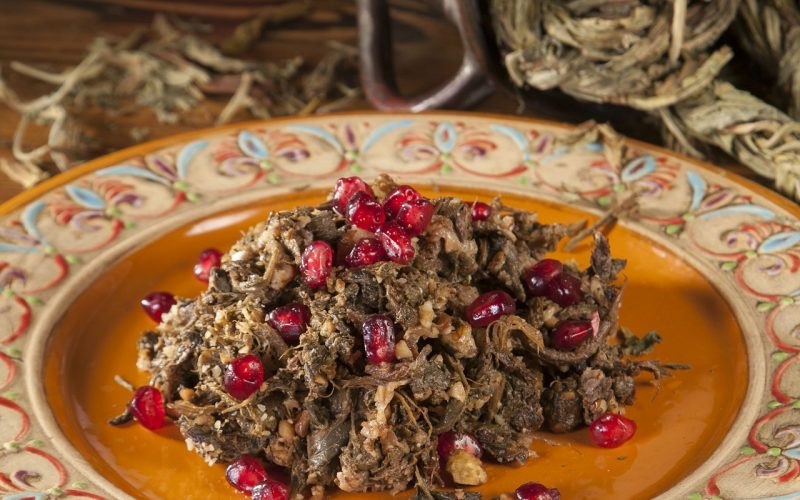
When people think of Armenian cuisine, dishes like dolma or lavash often come to mind. But beyond these well-known staples lies a lesser-known culinary treasure: aveluk. This ancient dish has been quietly nourishing Armenian families for generations, yet it remains a mystery to most outsiders.
In simple terms, aveluk is made from wild sorrel or dock leaves. Traditionally, the leaves are carefully braided and dried, preserving their natural flavors for use throughout the year. This humble preparation transforms simple, tangy greens into a versatile ingredient that can be used in soups, stews, or eaten on its own, offering a uniquely bright and slightly tart taste.
What sets aveluk apart from other leafy green dishes around the world is its combination of wild-foraged freshness, preservation technique, and tangy flavor. While many cultures enjoy cooked greens, few incorporate the sour, almost lemony zing of wild sorrel in the same way, making aveluk a singular expression of Armenian culinary ingenuity.
For generations, aveluk has held a special place in traditional Armenian home cooking. It embodies the connection between family, the land, and seasonal rhythms—showing how even the simplest plants can be transformed into dishes full of character and history. Eating aveluk today is not just about nourishment; it’s a bite of Armenia’s cultural heritage, tangy, vibrant, and surprisingly versatile.
What Is Aveluk? Understanding the Plant
At its core, aveluk comes from wild sorrel or dock leaves, belonging to the genus Rumex. Unlike the cultivated sorrel often found in gardens, aveluk grows wild in the mountainous and rural regions of Armenia and the greater Caucasus. Its natural habitat—rocky slopes, highland meadows, and forest edges—gives the plant a distinctly robust flavor and resilient character that garden varieties rarely match.
Aveluk is different from common garden sorrel or spinach in several ways. While spinach is mild and slightly sweet, and garden sorrel has a gentle tang, aveluk carries a sharper, more pronounced sourness with earthy undertones and a deep herbal aroma. This bold flavor is what makes it so beloved in Armenian cooking, lending a zesty lift to stews, soups, and preserved dishes alike.
Beyond its taste, aveluk is highly nutritious. Packed with fiber, vitamins A and C, and essential minerals like iron and magnesium, it has long been valued not just as a flavorful ingredient, but as a wholesome addition to the diet. Its combination of tangy flavor and nutritional richness makes aveluk a small but powerful example of how traditional Armenian cuisine harmonizes taste and health.
Foraging and Harvesting Traditions
In Armenia, aveluk is traditionally gathered in the spring and early summer, when the leaves are young, tender, and full of flavor. Families and local communities often venture into the mountains and highland meadows to collect the freshest leaves, carefully selecting only the healthiest plants. Timing is crucial: too early, and the leaves are too small; too late, and they become bitter or tough.
Foraging for aveluk has long been an integral part of rural Armenian life. Beyond simply providing food, it fosters a deep connection with the land. Children often accompany elders on these excursions, learning to identify safe, edible plants, understand their growth cycles, and appreciate the rhythms of nature. In this way, foraging is as much about cultural education as it is about sustenance.
Much of the knowledge surrounding aveluk—where to find the best plants, how to pick them without damaging future growth, and which leaves are ideal for drying—is passed down through generations. This oral tradition ensures that the practices remain rooted in local expertise, preserving not only the plant itself but also the cultural heritage tied to it.
Sustainable harvesting is a key principle in this tradition. Gatherers take only what they need, leaving plenty of plants to continue growing and reseeding. This careful approach reflects an understanding of the delicate balance between humans and nature, a philosophy embedded in Armenian culinary and agricultural practices for centuries.
The Iconic Braided Look: Drying and Preservation
Once the aveluk leaves are carefully foraged, the next step is cleaning and braiding them. In traditional Armenian homes, the leaves are gently washed, sorted, and then tied into long, slender braids. This method not only keeps the leaves organized but also ensures even airflow during drying, which is crucial for long-term preservation.
The braids are then hung in well-ventilated, shaded areas, often in kitchens, attics, or specially designed drying racks. This air-drying process can take several days to weeks, depending on the humidity and temperature. Unlike modern dehydrating methods, this slow, natural drying preserves both the tangy flavor and the deep herbal aroma that are the hallmark of aveluk.
Drying is essential because it allows families to enjoy aveluk throughout the winter months, long after the spring harvest has ended. Once fully dried, the braids are carefully stored in cool, dry places, where they can last for months without losing their quality. When it’s time to cook, small portions are trimmed from the braids and rehydrated in soups, stews, or other traditional dishes, bringing a burst of tangy flavor to meals.
Beyond its practical purpose, the hanging braids of aveluk carry cultural symbolism in Armenian villages. Displayed in homes, they represent not only preparation and resourcefulness but also a celebration of the land’s bounty and the passing of traditions from one generation to the next. These simple green braids are a quiet yet powerful reminder of the deep connection between nature, family, and culinary heritage.
Preparing Aveluk for Cooking
Before aveluk can make its way into traditional Armenian dishes, it must be properly prepared. Because the leaves are dried for preservation, they are naturally tough and concentrated in flavor, so soaking is an essential first step. Typically, the braids are unraveled and soaked in cold water for several hours or overnight, allowing the leaves to rehydrate and regain a tender texture.
After soaking, the leaves are thoroughly washed to remove any remaining grit from the foraging and drying process. Many cooks then briefly boil the leaves, which helps to soften them further and reduce any excess bitterness. This careful preparation ensures that the tangy, slightly sour notes of the wild sorrel are balanced and pleasant in the final dish.
Once softened, the leaves are chopped or cut into manageable pieces, ready to be incorporated into soups, stews, or fillings. Some recipes call for layering whole leaves for their texture, while others use finely chopped aveluk to release its full herbal flavor.
Because aveluk has a strong, earthy aroma, handling it requires a few simple tips: work in a well-ventilated space, rinse the leaves thoroughly, and pair them with complementary ingredients like garlic, onions, or tomatoes to balance the intensity. With these steps, aveluk transforms from a humble wild green into a versatile, flavorful ingredient, ready to shine in the hands of skilled cooks.
Classic Aveluk Salad (Aveluk Salad with Onions and Walnuts)
Among the many ways to enjoy aveluk, the classic aveluk salad is perhaps the most beloved and widely recognized in Armenian homes. This simple yet flavorful dish showcases the wild sorrel’s tangy character while combining it with the rich, earthy textures of nuts and aromatics.
The key ingredients include rehydrated aveluk, which provides the tangy foundation; onions, often sautéed or caramelized to add sweetness and depth; walnuts, offering a crunchy, nutty contrast; and garlic, which adds pungency. The salad is typically dressed with vinegar or fresh lemon juice, enhancing its bright, sour notes, and seasoned with fresh herbs and spices, such as parsley, coriander, or a pinch of salt and pepper.
Preparation is straightforward yet precise. After soaking and softening the aveluk, it is chopped and combined with the sautéed onions, crushed walnuts, and minced garlic. The mixture is then tossed with vinegar or lemon juice and sprinkled with fresh herbs, creating a well-balanced blend of textures and flavors.
The resulting taste is distinctively complex: sour from the wild sorrel, nutty from the walnuts, savory from the onions and garlic, and deeply aromatic thanks to the herbs. Each bite is a bright, tangy celebration of Armenia’s culinary heritage, demonstrating how a humble wild green can be transformed into a dish of remarkable depth and character.
Other Traditional Dishes with Aveluk
While the classic aveluk salad remains the most iconic, aveluk’s versatility shines in a variety of traditional Armenian dishes. One popular preparation is aveluk soup, often enriched with lentils, bulgur, or other grains. In these hearty soups, the tangy wild sorrel imparts a refreshing brightness that balances the richness of legumes and grains, creating a dish that is both nourishing and deeply flavorful.
Aveluk is also commonly used as a filling for pastries and flatbreads, including regional variations of Armenian pies. Mixed with ingredients like onions, walnuts, or cheese, the rehydrated leaves provide a slightly sour, aromatic layer that elevates baked goods, turning simple dough into a memorable meal.
Across Armenia, regional variations of aveluk dishes reflect local tastes and traditions. In some mountain villages, the salad may include smoked walnuts or dried fruits, while in lowland areas, it might be combined with tender herbs or local cheeses. These variations demonstrate the adaptability of aveluk and its deep roots in regional culinary practices.
In contemporary Armenian restaurants, chefs are experimenting with modern twists on traditional aveluk recipes. From creative aveluk spreads and fusions with Mediterranean flavors to gourmet presentations in fine dining, the wild sorrel continues to inspire innovative interpretations while remaining a symbol of Armenia’s culinary heritage.
Whether in classic home kitchens or trendy eateries, aveluk proves that this ancient wild green is far more than a simple ingredient—it’s a flavorful bridge between tradition and modern culinary creativity.
Cultural and Historical Significance
Though humble in origin, aveluk has a remarkable cultural and historical significance in Armenia. Originally considered a “peasant food”, it was prized for its accessibility and nutritional value, especially in rural communities where wild greens were often the most reliable source of sustenance. Over time, its tangy flavor, versatility, and deep-rooted presence in home cooking elevated it to the status of a national delicacy, celebrated for its connection to Armenian identity.
Aveluk’s importance was particularly evident during harsh winters and times of scarcity. The careful preservation of braids of aveluk allowed families to enjoy fresh-tasting, nutrient-rich greens even when fresh vegetables were unavailable. In this way, the dish symbolizes resilience, resourcefulness, and the ingenuity of Armenian home cooks.
The plant itself is a reflection of Armenia’s mountainous landscape and self-sufficient lifestyle. Foraging, drying, and cooking aveluk required intimate knowledge of the land, seasonal cycles, and sustainable practices—skills that were passed down through generations and became central to the rhythm of village life.
Aveluk also maintains a prominent role in festivals, family meals, and local traditions. It is served at gatherings, offered as part of celebratory spreads, and featured in recipes that mark seasonal changes. Hanging braids of dried aveluk in homes or communal spaces carry symbolic weight, representing abundance, tradition, and the connection between community, nature, and sustenance.
In short, aveluk is much more than a wild green—it is a living piece of Armenian heritage, embodying the flavors, history, and resilience of a people closely tied to their land.
Health Benefits of Aveluk
Beyond its unique flavor and cultural significance, aveluk is a remarkably nutritious wild green, valued both for its traditional uses and its modern health benefits. One of its key attributes is its high fiber content, which supports healthy digestion and helps maintain a feeling of fullness, making it an ideal addition to balanced meals.
Aveluk is also rich in natural antioxidants, including vitamins A and C, which help protect the body against oxidative stress and support overall immune function. Minerals such as iron, magnesium, and potassium further enhance its nutritional profile, contributing to energy metabolism and cardiovascular health.
In Armenian tradition, aveluk has long been considered to have cleansing and restorative properties. It was often consumed in spring as part of a seasonal diet meant to refresh the body after winter months, and it was believed to support both digestion and general well-being.
Modern diets, especially plant-based and Mediterranean-style eating patterns, can easily incorporate aveluk. Its tangy, herbal flavor works well in salads, soups, stews, and vegetable-based dishes, providing nutritional density without excess calories. In this way, aveluk is both a culinary delight and a functional ingredient, bridging centuries of Armenian tradition with contemporary health-conscious lifestyles.
What Does Aveluk Taste Like?
Aveluk’s flavor is distinctive and immediately recognizable to anyone who tries it. For those familiar with leafy greens, it can be described as a cross between garden sorrel, spinach, and Swiss chard, with subtle notes reminiscent of seaweed. This combination gives it a complex profile that is both tangy and earthy, bright yet grounded.
The most striking aspect of aveluk is its balance of sourness and earthiness. The natural acidity of wild sorrel provides a refreshing, almost lemony tang, while the earthy undertones anchor the flavor, creating depth that evolves as you chew. When incorporated into dishes, this balance allows aveluk to enhance other ingredients without overpowering them, making it incredibly versatile in Armenian cuisine.
Because of its bold and unusual taste, aveluk elicits strong reactions. Some people fall in love with it instantly, captivated by the bright, herbal tang and nutty undertones when combined with onions, garlic, or walnuts. Others, especially those unaccustomed to sour wild greens, may need time to acquire a taste, gradually learning to appreciate its layered flavors and distinctive aroma. In either case, aveluk is a culinary experience that lingers, leaving a lasting impression of Armenia’s wild and flavorful landscape.
Where to Find Aveluk Outside Armenia
For those living outside Armenia who wish to experience aveluk, it is most commonly found in Armenian or Middle Eastern specialty stores. These markets often carry it dried and braided, just as it is traditionally prepared in Armenian homes, allowing enthusiasts to preserve and use it much like local families do. Some stores may also sell pre-packaged rehydrated aveluk, though this is less common.
If authentic aveluk is unavailable, there are workable substitutes that can mimic its tangy, herbal flavor. Sorrel is the closest match, offering a similar sourness, while spinach combined with a splash of lemon or vinegar can approximate the acidity and texture. For a slightly earthier note, a touch of chard or beet greens can be blended in.
When cooking with substitutes, a few tips help retain the traditional flavor profile:
- Balance the sourness – add lemon juice or a small amount of vinegar gradually to match aveluk’s natural tang.
- Enhance earthiness – lightly sauté the greens with onions or garlic to bring depth.
- Incorporate nuts and herbs – walnuts, parsley, and coriander can replicate the layered aromas of authentic aveluk dishes.
With these adjustments, even those far from Armenian markets can capture the essence of this ancient wild green, enjoying its unique flavor and cultural heritage in everyday meals.
Aveluk in Modern Cuisine
While aveluk has deep roots in Armenian home cooking, it has recently found new life in contemporary cuisine, as chefs reinterpret traditional ingredients for modern palates. In upscale restaurants and creative kitchens, aveluk is being used in innovative ways—from delicate appetizers to gourmet mains—showcasing its tangy, herbal flavor in settings far beyond the village kitchen.
Fusion dishes often combine aveluk with Mediterranean, Middle Eastern, or even European ingredients, creating unexpected but harmonious flavor combinations. For example, chefs may pair rehydrated aveluk with ricotta or feta, incorporate it into vegetable tarts or grain bowls, or use it as a fresh, tangy component in modern salads and wraps. These approaches preserve the essence of the wild sorrel while presenting it in visually striking and globally inspired dishes.
Beyond its culinary appeal, the modern use of aveluk plays a crucial role in preserving Armenian identity. By featuring traditional ingredients in contemporary contexts, chefs honor ancestral knowledge and bring attention to Armenia’s rich agricultural and foraging heritage. In doing so, aveluk serves not just as a flavorful ingredient, but as a symbol of cultural continuity, bridging centuries of tradition with the tastes and trends of today’s food culture.
More Than Just Greens
Aveluk is far more than a simple leafy green—it is a symbol of Armenian resilience, ingenuity, and deep connection to the land. From its roots in the wild mountains and meadows to the carefully braided and dried bundles that adorn village homes, aveluk reflects a culture shaped by seasonal rhythms, self-sufficiency, and respect for nature.
Tasting aveluk is, in many ways, tasting Armenia itself. Each bite carries the tangy essence of spring, the earthy aroma of the highlands, and centuries of culinary tradition passed down through generations. It is a reminder that even the simplest, most humble ingredients can tell profound stories about a people, their landscape, and their history.
For adventurous eaters and lovers of cultural cuisine, aveluk represents an invitation to explore the lesser-known treasures of Armenian food. Beyond dolma and lavash, dishes like aveluk salad, soups, and pastries reveal a side of Armenian cuisine that is wild, tangy, and deeply rooted in the land. Embracing these traditional flavors is not only a culinary adventure but also a way to connect with a living heritage that continues to thrive today.
Come experience the flavors of Armenia firsthand—join us on a culinary journey through our mountains, villages, and kitchens, and discover the wild, tangy taste of aveluk and other traditional delights.


17 Responses
[4558]maxwin Official Login | Trusted Online Casino Malaysia Fast Payout,maxwin provides a seamless gaming experience with an easy app download and convenient e-wallet casino deposits. Join now for secure play and fast payouts. visit: maxwin
[760]4777b Official Login | বিকাশ পেমেন্ট ও সেরা ক্যাসিনো বোনাস,4777b অ্যাপ ডাউনলোড করে সেরা অনলাইন ক্যাসিনো বোনাস লুফে নিন। বিকাশ পেমেন্ট গেটওয়েতে সহজ লেনদেন এবং স্লট গেমের নিয়ম জেনে আজই জয়েন করুন। visit: 4777b
The variety of games is amazing. I spent the whole evening exploring different slots and won a decent amount. Great job ph178jili
[7494]ez win login at APK download | Legit slot site gcash,Gamitin ang ez win para sa legit slot site gcash. Alamin din kung paano maglaro ng baccarat at i-enjoy ang pinaka mabilis na payout casino. Mag-register na! visit: ez win
Feeling lucky today and this app is the perfect place to test my streak. The graphics are top notch. Visit pkluckygameapk now.
Really impressed with the own customer support here. They answered my questions almost instantly. Highly recommend it for anyone looking for a reliable place. vnperpa88
I had a great run today and won a decent amount. The withdrawal process was surprisingly quick and hassle free. Cheers to pk9999win
Super easy access and the loading speed is impressive. I love how everything is organized, making it easy to find my favorite games. Great vibes over at 991jililink.
I’ve been trying a few different sites lately and this one really stands out. The interface is super smooth and the payouts are fast. Definitely recommending k7win55 to my buddies.
Really love the vibe of this platform. Everything feels professional and the customer support is top notch. Visit idgemoy88 for the best action.
Totally unexpected win today! The odds are quite competitive compared to other sites I have tried. Big thanks to kirkiriya11.
The customer support team is very helpful and answered all my questions in minutes. It is rare to find such good service. Thanks bdkk77
The mobile experience is just seamless. I can play anywhere and the loading times are incredibly short. j88betapp is a game changer.
I felt the luck the moment I signed up. The promotions are generous and lucky97 is definitely my new favorite spot.
Love the variety of bonuses they offer here. It keeps the gameplay exciting and rewarding. phspintimeph is definitely a hidden gem!
Solid platform with a great variety of games. I appreciate how the mobile version works perfectly without lagging. I’ll be sticking with idunsur138 for a while.
I’ve been playing here for a month now and it is consistently reliable. The odds are quite fair compared to others. idlotusdewa is a solid choice.