

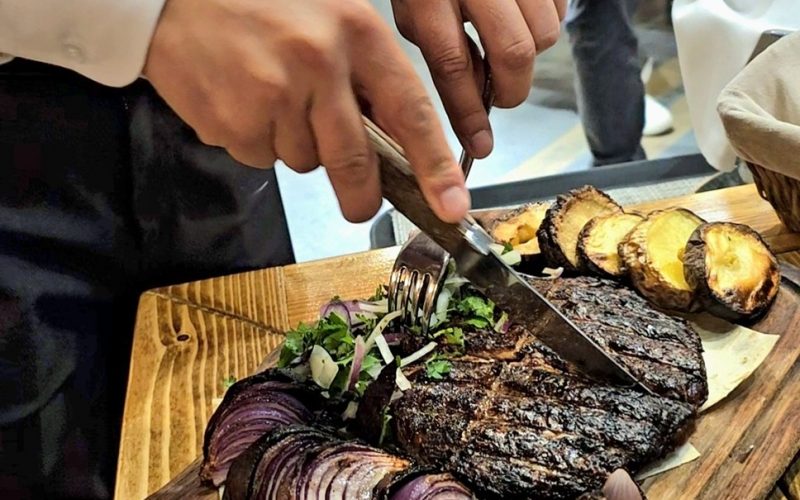
Armenian cuisine is one of the oldest culinary traditions in the world, deeply rooted in the natural environment of the Armenian Highlands. For centuries, the everyday diet of Armenians has been shaped by mountains, fertile valleys, clear lakes, and fast-flowing rivers. This close connection with nature is reflected in the use of fresh, locally sourced ingredients and cooking methods that preserve natural flavors. While meat dishes are widely known, fish has also played a significant role in Armenian culinary culture, especially in regions rich in freshwater resources.
Freshwater fish has long been an important component of traditional Armenian cooking. Due to the country’s landlocked geography, Armenians historically relied on lakes and rivers rather than sea fish. Fish dishes were especially common during fasting periods, religious holidays, and in communities located near large bodies of water. Simple techniques such as grilling, baking, drying, and stewing were used to highlight the delicate taste of the fish without overwhelming it with spices.
Lake Sevan, one of the largest high-altitude freshwater lakes in the world, has had a decisive influence on the development of Armenian fish dishes. Often referred to as the “pearl of Armenia,” Lake Sevan has been a vital source of food for centuries. In addition to the lake, numerous mountain rivers supplied local communities with fish, further enriching regional culinary traditions. These natural resources shaped not only what Armenians ate, but also how fish was prepared, preserved, and served.
Among the most iconic fish species in Armenian cuisine are Ishkhan (Sevan trout), Sig (whitefish), and Karmrakhayt (Sevan barbel). Ishkhan is considered a national symbol and is prized for its tender meat and refined flavor. Sig is valued for its versatility and mild taste, while Karmrakhayt is known for its firm texture and suitability for grilling and stewing. Each of these species has inspired a variety of traditional dishes that reflect regional preferences and historical practices.
The purpose of this article is to explore traditional Armenian fish dishes, their cooking methods, and their cultural significance. By examining the role of freshwater fish in Armenian cuisine, it becomes possible to better understand how nature, history, and tradition come together to form a unique and enduring culinary identity.
Fish in Armenian Culinary Tradition
Fish has been an integral part of Armenian cuisine since ancient times. Archaeological findings and historical records indicate that freshwater fish was consumed in Armenia as early as antiquity, particularly in settlements located near lakes and rivers. In ancient and medieval Armenia, fishing was both a subsistence activity and a skilled craft, with knowledge passed down through generations. Fish provided an important source of protein, especially in regions where livestock farming was limited by mountainous terrain.
The geography and climate of Armenia played a decisive role in shaping fish-based dishes. As a landlocked country with a predominantly mountainous landscape, Armenia relied almost exclusively on freshwater sources. High-altitude lakes such as Lake Sevan and numerous cold, fast-flowing rivers created ideal conditions for certain fish species to thrive. These natural conditions influenced not only the types of fish available, but also the methods of preparation. Techniques such as drying, salting, grilling, and baking were developed to preserve fish and adapt it to seasonal availability.
In everyday life, fish was often prepared in simple ways, especially in rural communities. Grilled or baked fish seasoned with salt, herbs, and local vegetables was a common meal. At the same time, fish held a special place during religious fasting periods, when meat was prohibited but fish was allowed. On festive occasions and family celebrations, fish dishes became more elaborate, often stuffed, baked with fruits or herbs, or served with rich sauces, reflecting their cultural and symbolic importance.
Key Fish Species Used in Armenian Cuisine
Ishkhan (Sevan trout) is the most famous and culturally significant fish in Armenian cuisine. Native to Lake Sevan, Ishkhan has long been considered a symbol of Armenian culinary heritage. It is known for its delicate, tender flesh and refined, slightly sweet flavor. Traditionally, Ishkhan is grilled whole, baked with herbs, or prepared in soups. Its high culinary value made it a prized dish for special occasions and guests.
Sig is another important freshwater fish commonly used in Armenian cooking. It has a firm yet tender texture and a mild, clean flavor that easily absorbs seasonings. Sig is versatile and can be grilled, fried, baked, or stewed. In traditional recipes, it is often paired with onions, garlic, herbs, and local spices, making it suitable for both everyday meals and festive dishes.
Karmrakhayt is easily recognizable by its distinctive red flesh, which sets it apart from other Armenian fish species. This fish is especially valued for its dense texture and rich taste. Karmrakhayt is traditionally grilled or stewed, allowing its natural flavor to remain prominent. Its striking appearance and robust character have made it a unique element of Armenian fish cuisine, particularly in regional dishes connected to Lake Sevan and nearby rivers.
Ishkhan with Tarragon (Baked Ishkhan)
Ishkhan with tarragon, often prepared as baked Ishkhan, is one of the most classic and refined fish dishes in Armenian cuisine. Centered around Sevan trout, this recipe highlights the natural quality of the fish rather than complex techniques or heavy seasoning. Baking is considered one of the most traditional and respectful ways to prepare Ishkhan, allowing its delicate texture and subtle flavor to remain intact.
A defining feature of this dish is the use of tarragon, known locally as estragon. Tarragon occupies a special place in Armenian herbal traditions and is widely used in both everyday cooking and ceremonial dishes. Its slightly anise-like aroma pairs exceptionally well with freshwater fish, enhancing the flavor without overpowering it. In baked Ishkhan, tarragon is not merely a seasoning but a key ingredient that gives the dish its distinctive character.
Ingredients and Flavor Profile
The primary ingredient of the dish is fresh Ishkhan trout, traditionally sourced from Lake Sevan. The quality and freshness of the fish are essential, as the recipe relies on minimal processing. Whole fish or large portions are commonly used to preserve moisture during baking.
Tarragon plays the central aromatic role, complemented by garlic and onions, which add depth and mild sweetness. Lemon is often used to provide gentle acidity, balancing the richness of the fish. Simple spices such as salt, black pepper, and occasionally dried herbs are added sparingly. The resulting flavor profile is clean and harmonious, combining herbal freshness with the tender, slightly sweet taste of the trout.
Traditional Preparation Method
The preparation begins with thoroughly cleaning the Ishkhan and patting it dry. The fish is then seasoned inside and out with salt and mild spices. Tarragon is either stuffed into the cavity of the fish or placed generously on top, depending on regional or family tradition. Sliced onions and garlic are often added to the baking dish or placed inside the fish to infuse it with aroma during cooking.
The fish is baked at a moderate temperature to ensure even cooking and to prevent the flesh from drying out. Traditionally, it was baked in clay or metal ovens, while modern versions use conventional ovens. Careful temperature control is essential, as Ishkhan cooks relatively quickly. The goal is to achieve tender, flaky flesh while maintaining juiciness and preserving the herbal fragrance of the tarragon.
Cultural Significance
Baked Ishkhan with tarragon is traditionally served on special occasions, family gatherings, and festive meals. It is especially associated with celebrations connected to Lake Sevan and regions where Ishkhan fishing has historical importance. The dish is also common during religious holidays and periods when fish replaces meat in the diet.
Regional variations exist, particularly in the amount of tarragon used and the inclusion of additional herbs or vegetables. Some regions prefer stuffing the fish heavily with fresh herbs, while others focus on a lighter topping to emphasize the natural flavor of the trout. Despite these variations, Ishkhan with tarragon remains a symbol of Armenian culinary identity, representing respect for nature, simplicity, and tradition.
Fish Gata (Breaded Fish)
Fish gata is a traditional Armenian dish consisting of breaded and fried fish. Its name is closely connected to the famous Armenian pastry “gata,” which is known for its golden, crisp exterior. Although fish gata is not a baked sweet pastry, the comparison lies in the texture and appearance. The breaded crust of the fish, when properly cooked, becomes evenly golden and slightly flaky, visually reminiscent of the crust of traditional gata.
The name “fish gata” emerged in everyday culinary language as a descriptive expression rather than a formal recipe title. The similarity in color, crunch, and overall presentation led home cooks to adopt this familiar term. Over time, it became widely used to describe breaded fish prepared in a distinctly Armenian home-style manner.
Ingredients and Coating Techniques
Fish gata can be prepared using various freshwater fish commonly available in Armenia. Sig and Karmrakhayt are among the most frequently used species due to their firm flesh, which holds its shape well during frying. In some regions, other white-fleshed freshwater fish are also used, depending on availability.
The coating typically consists of flour, beaten eggs, and breadcrumbs. The fish is first lightly seasoned with salt and spices, then dredged in flour to create a dry surface. It is then dipped into egg and finally coated with breadcrumbs. Black pepper is commonly used, and in some variations, dried herbs or paprika may be added to the breadcrumb mixture. The coating is designed to be light and crisp, enhancing the fish rather than masking its flavor.
Cooking Process
Proper breading technique is essential for achieving the desired texture. The fish pieces are usually cut into portions of moderate thickness to ensure even cooking. After coating, the fish is allowed to rest briefly so the breading adheres properly.
Fish gata is traditionally cooked by frying in a shallow pan with vegetable oil. The oil is heated to a moderate temperature to allow the crust to crisp without burning. Pan-searing is preferred over deep-frying, as it produces a lighter result and preserves the natural taste of the fish. The fish is turned carefully to maintain the integrity of the coating and cooked until golden on both sides.
Serving Traditions
Fish gata is most commonly served as part of home cooking rather than ceremonial or festive meals. It is typically accompanied by simple side dishes such as boiled or mashed potatoes, fresh vegetables, seasonal salads, or pickles. Lemon wedges are often served on the side to add freshness.
In Armenian households, fish gata is valued for its practicality and comforting nature. It is a familiar dish prepared for family meals, especially when a quick yet satisfying fish dish is needed. Its popularity lies in its simplicity, accessibility, and the balance between crisp texture and tender fish, making it a staple of everyday Armenian cuisine.
Ishkhan Khorovats (Grilled Ishkhan)
The word “khorovats” refers to the traditional Armenian method of grilling food over an open flame or hot coals. While khorovats is most commonly associated with grilled meat, especially pork and lamb, the term also applies to fish and vegetables prepared using the same technique. Grilling holds a central place in Armenian food culture and is closely tied to hospitality, family gatherings, and communal celebrations.
In Armenian cuisine, grilling is valued for its ability to preserve the natural taste of ingredients while adding a distinctive smoky aroma. Khorovats is not simply a cooking method, but a cultural practice that brings people together. When applied to Ishkhan, grilling becomes a way to honor the quality of Sevan trout by using minimal intervention and allowing the fire to enhance, rather than dominate, its flavor.
Preparation of Ishkhan for Grilling
Preparation of Ishkhan for khorovats is intentionally simple. The fish is thoroughly cleaned and usually left whole or cut into large sections. Marination, if used at all, is light and brief. Traditional approaches rely on salt as the primary seasoning, sometimes complemented by black pepper or a small amount of lemon juice.
Fresh herbs such as tarragon, dill, or parsley may be used, either rubbed onto the fish or placed inside the cavity. Strong marinades are generally avoided, as they can overpower the delicate flavor of Ishkhan. The emphasis remains on freshness, high-quality fish, and balance.
Grilling Techniques
Ishkhan khorovats is traditionally prepared over charcoal, which provides steady heat and a subtle smoky aroma. In some rural areas, grilling over an open fire is also common, especially during outdoor gatherings. The fish is placed on metal grates or skewers and cooked at a moderate distance from the heat to prevent burning.
Careful attention is paid to achieving crispy skin while keeping the flesh moist and tender. The fish is turned gently and not too frequently, allowing a natural crust to form. Proper heat control is essential, as Ishkhan cooks relatively quickly. When done correctly, the result is a dish with lightly charred skin, juicy flesh, and a clean, smoky flavor.
Occasions and Cultural Context
Grilled Ishkhan is most commonly associated with outdoor meals and social gatherings. It is a popular choice for family picnics, summer celebrations, and trips to Lake Sevan, where fresh fish is often grilled on the spot. The dish is strongly linked to warm seasons, when grilling outdoors becomes part of daily life.
Ishkhan khorovats also holds a festive character, often served to guests as a sign of respect and generosity. Its seasonal popularity and communal nature make it an important expression of Armenian culinary traditions, combining simplicity, nature, and shared experience.
Sig Khorovats (Grilled Sig Fish)
Sig is one of the most widely used freshwater fish in Armenian cuisine and is especially valued for grilling. Compared to Ishkhan, Sig has a firmer texture and a milder, more neutral flavor. While Ishkhan is known for its tenderness and refined taste, Sig offers denser flesh that holds together well over high heat. This makes it particularly suitable for grilling, as it is less likely to dry out or fall apart.
The flavor of Sig is clean and understated, allowing it to absorb light seasoning and smoky notes from the grill. Its balanced fat content contributes to a pleasant mouthfeel without overpowering richness, which is why it is often chosen for simple, fire-based cooking methods.
Traditional Preparation
Traditional preparation of Sig for khorovats follows a minimalistic approach. The fish is thoroughly cleaned, scaled, and gutted, then rinsed with cold water. It is usually left whole or cut into large portions, depending on size.
Seasoning is kept intentionally simple to preserve the natural taste of the fish. Salt is essential, and black pepper is sometimes added in small amounts. In some households, a light brushing of vegetable oil is used to prevent sticking during grilling. Strong marinades and heavy spices are typically avoided, reflecting the Armenian preference for highlighting the inherent quality of the fish.
Cooking Method
Sig khorovats is grilled over charcoal or an open flame at moderate heat. Due to its firmer flesh, Sig requires slightly longer grilling time than Ishkhan, but careful attention is still needed to avoid overcooking. The fish is placed on metal grates or skewers and turned gently to ensure even cooking.
The goal is to achieve lightly crisped skin and evenly cooked flesh that remains moist inside. Once grilled, Sig is usually served immediately while hot, as this is when its texture and flavor are at their best. Presentation is simple, often with lemon wedges and fresh herbs placed alongside the fish.
Regional Popularity
Sig khorovats is strongly associated with Lake Sevan, where Sig has historically been abundant. In lakeside communities, grilling Sig is a common practice and an important part of local food culture. The dish is frequently prepared during outdoor gatherings, fishing trips, and family celebrations near the lake.
Regional variations are subtle and mainly involve seasoning preferences or grilling techniques. Some areas favor slightly longer grilling for a more pronounced smoky flavor, while others prefer a lighter cook to maintain softness. Despite these differences, grilled Sig remains a widely appreciated and familiar dish across Armenia, closely connected to the country’s natural landscape and culinary traditions.
Village-Style Trout (Trout Baked in Lavash)
Village-style cooking in Armenian cuisine reflects a rustic philosophy rooted in simplicity, practicality, and respect for natural ingredients. This approach developed in rural communities, where food was prepared using what was readily available, without elaborate techniques or excessive seasoning. The focus was on preserving the original taste of the ingredients while ensuring nourishment and warmth.
Traditional bread, especially lavash, plays a central role in this style of cooking. More than just an accompaniment, lavash is often used as a cooking medium. Its thin, flexible structure allows it to wrap food, retain moisture, and absorb flavors. In village-style dishes, lavash serves both functional and symbolic purposes, representing hospitality, tradition, and everyday life.
Ingredients
The main ingredient of this dish is whole trout, typically a freshwater variety similar to Ishkhan or locally sourced river trout. Freshness is essential, as the recipe relies on the natural quality of the fish.
Lavash bread is used to wrap the fish completely, creating a sealed environment during cooking. Aromatic herbs such as tarragon, parsley, or dill are added for fragrance and freshness. Onions provide mild sweetness, while butter adds richness and helps keep the fish moist. Seasoning is minimal, usually limited to salt and black pepper.
Cooking Process
The trout is first cleaned and lightly seasoned. Herbs and sliced onions are placed inside the cavity of the fish and sometimes layered on the outside. Small pieces of butter are added to enhance moisture and flavor.
The prepared fish is then tightly wrapped in lavash, ensuring that it is fully enclosed. Traditionally, the wrapped fish could be baked in an oven or cooked over hot embers, often buried under ash and coals. This method creates gentle, even heat, allowing the fish to cook slowly without direct exposure to flame.
Taste and Texture
Cooking trout in lavash creates a unique steamed effect. The bread traps moisture, preventing the fish from drying out, while allowing heat to circulate evenly. As a result, the flesh becomes exceptionally tender and juicy.
The lavash absorbs the aromas of the fish, herbs, onions, and butter, becoming soft and richly flavored. At the same time, the fish absorbs subtle bread and herb notes, creating a harmonious blend of textures and aromas. The final dish is mild, comforting, and deeply aromatic, embodying the essence of village-style Armenian cooking.
Fish Tolma
Tolma is one of the most iconic dishes in Armenian cuisine and is traditionally associated with minced meat wrapped in grape or cabbage leaves. However, Armenian culinary tradition includes numerous tolma variations that go beyond meat. These alternatives developed due to regional availability of ingredients, religious fasting practices, and seasonal dietary needs.
Fish tolma emerged primarily in areas rich in freshwater resources, especially near Lake Sevan and river regions. During fasting periods, when meat was restricted, fish provided an acceptable and nutritious substitute. Over time, fish tolma became established not only as a fasting dish but also as a regional specialty, valued for its lighter texture and delicate flavor.
Ingredients and Filling
The filling for fish tolma is made from finely minced freshwater fish, commonly Sig or other mild, firm-fleshed species. The fish mince forms the base of the filling and is combined with rice, which adds structure and helps absorb moisture during cooking.
Finely chopped onions contribute sweetness and depth, while fresh herbs such as dill, parsley, and occasionally tarragon provide aroma and freshness. Seasoning is restrained and typically includes salt, black pepper, and sometimes mild spices. The goal is to maintain a balance between the fish and supporting ingredients without overwhelming the filling.
Wrapping Methods
Fish tolma can be wrapped in either grape leaves or cabbage leaves, depending on regional tradition and seasonal availability. Grape leaves are more commonly used in warmer months and lend a subtle acidity that complements the fish filling. Cabbage leaves, often used in winter, provide a milder, slightly sweet flavor and a softer texture.
The filling is portioned carefully to ensure even cooking. Each tolma is shaped into compact rolls or parcels, wrapped tightly enough to hold their form but loosely enough to allow the rice to expand during cooking.
Cooking and Serving
Fish tolma is traditionally cooked by gentle simmering in a wide pot. The tolma is arranged in layers, often lined with extra leaves to prevent sticking. Water or light fish broth is added, just enough to partially cover the tolma, and the dish is cooked slowly over low heat.
Once cooked, fish tolma is served warm and often accompanied by traditional sauces. Matsun (Armenian yogurt) or a garlic-infused yogurt sauce is the most common accompaniment, adding creaminess and mild acidity. In some regions, tolma is served with lemon wedges or fresh herbs, emphasizing its light and refreshing character.
Boiled Karmrakhayt
Karmrakhayt is a distinctive freshwater fish native to Lake Sevan and other Armenian rivers, easily recognizable by its striking red flesh. Its firm texture and rich taste make it a valued ingredient in Armenian cuisine. In addition to its culinary appeal, Karmrakhayt is highly nutritious, providing protein, omega-3 fatty acids, and essential minerals, which historically made it an important part of the local diet.
Simplicity of the Dish
Boiled Karmrakhayt is a dish that exemplifies the Armenian preference for simple preparations that highlight the natural quality of ingredients. Boiling is preferred because it preserves the delicate flavor, moisture, and vibrant color of the fish without overwhelming it with heavy spices or cooking techniques. This method emphasizes the freshness of the fish, allowing diners to appreciate its texture and subtle taste.
Preparation Method
The preparation begins with thoroughly cleaning the fish, removing scales, entrails, and gills. The fish is then placed in a pot of gently simmering water. Aromatics such as onions, garlic, and fresh herbs—commonly dill, parsley, or tarragon—are added to infuse subtle flavor. Salt is applied sparingly, just enough to enhance the natural taste.
Cooking is done at low to moderate heat to prevent the fish from breaking apart. The goal is to achieve tender, fully cooked flesh while maintaining the bright red hue and firm texture. The simplicity of this method ensures that every bite retains the pure taste of Karmrakhayt.
Cultural Importance
Boiled Karmrakhayt has traditionally been part of the Armenian diet, particularly in lakeside communities where the fish was abundant. It was valued for its ease of preparation, nutritional benefits, and suitability for both everyday meals and family gatherings. Historically, this dish played a role in sustaining communities during times when meat was scarce or during fasting periods when light, wholesome meals were preferred.
Seasonally, boiled Karmrakhayt is most common in spring and summer, coinciding with peak fishing periods. Its preparation reflects Armenian culinary traditions that prioritize natural flavors, simplicity, and a direct connection to local resources.
Modern Interpretations of Armenian Fish Dishes
In contemporary Armenian cuisine, traditional fish dishes have been embraced by restaurants and chefs seeking to blend heritage with modern culinary techniques. Freshwater fish like Ishkhan, Sig, and Karmrakhayt are now often presented with refined plating, creative garnishes, and contemporary accompaniments that appeal to both locals and tourists.
Restaurant adaptations may include baking or grilling fish with innovative sauces, pairing them with seasonal vegetables, or using modern cooking methods such as sous-vide to enhance texture while preserving flavor. Fusion approaches also appear, incorporating international spices, grains, or side dishes while respecting the integrity of the fish. For example, Ishkhan may be paired with Mediterranean-style herbs or citrus reductions, while fish tolma might be served with light yogurt-based sauces infused with exotic flavors.
Despite these innovations, preserving tradition remains central. Many modern chefs continue to honor Armenian culinary heritage by highlighting natural flavors, using minimal seasoning, and emphasizing the role of freshwater fish. These adaptations ensure that Armenian fish cuisine evolves while maintaining a connection to its historical and cultural roots, allowing new generations to experience traditional dishes in fresh ways.
Armenian fish cuisine offers a rich and diverse repertoire, ranging from baked Ishkhan with tarragon to rustic village-style trout and boiled Karmrakhayt. Each dish reflects a deep connection to nature, freshwater resources, and local culinary traditions, highlighting simplicity, freshness, and careful preparation.
Preserving these traditional recipes is essential not only for maintaining cultural identity but also for passing down the knowledge of Armenia’s natural bounty and culinary ingenuity. Whether enjoyed in rural households, lakeside communities, or modern restaurants, Armenian fish dishes continue to provide nourishment, flavor, and a meaningful connection to heritage. They represent a culinary bridge between the past and present, celebrating the richness of Armenia’s lakes, rivers, and mountains through every carefully prepared meal.

15 Responses
[8267]MPO1212 | Login Link Alternatif Resmi & Slot Gacor Hari Ini,mpo1212 menyediakan akses login resmi dan link alternatif terbaru. Nikmati judi casino online terpercaya dengan kemudahan deposit pulsa tanpa potongan. Daftar sekarang! visit: mpo1212
[3090]8xbets | Link Vào Mới Nhất Và Hướng Dẫn Chơi Baccarat Online,8xbets cung cấp link truy cập mới nhất cùng hướng dẫn tải app chính thức. Khám phá luật chơi slot game và nạp tiền casino qua Momo nhanh chóng. Tham gia ngay hôm nay! visit: 8xbets
The installation was a breeze. I was worried about the APK at first but it runs perfectly on my Android phone. Check out pk365downloadapk if you want a stable mobile experience.
Solid platform with a great selection of games. The registration was a breeze and I started playing in minutes. Check betmgmcasino
[1925]betxchange লগইন এবং অ্যাপ ডাউনলোড | বিকাশ ক্যাসিনো ডিপোজিট,betxchange লগইন এবং অ্যাপ ডাউনলোড করুন সহজেই। এখানে পাবেন লাইভ ক্যাসিনো খেলার নিয়মাবলী এবং সেরা অনলাইন স্লট গেম ট্রিকস। আজই জয়েন করুন। visit: betxchange
The community here is great and the rewards keep me coming back. It is easily one of the most reliable spots online. Visit ph90jiliclub
The odds here are fantastic and the variety of games is insane. I always have a blast playing here on weekends. Visit kr3xbet for a win!
Best platform for local players in the Philippines. It feels tailored to our needs and the bonuses are legit. Big thanks to 77jiliph for the awesome setup.
Finally found a platform that doesn’t lag during peak hours. The interface is super intuitive. Give 5gggcom a try if you want a stress-free gaming session.
Finally found a spot that actually pays out on time. The interface is clean and not cluttered with useless ads. I’m really enjoying my time here so far. Visit jjjwin today.
Finally found a site that doesn’t lag during the peak hours. The interface is super clean and easy to navigate. Love the vibes at rusia777login
The variety of games here is honestly impressive. I spent a few hours last night exploring and the payouts feel fair. If you are into online gaming, definitely check out 007betgame.
Just joined last week and I am already loving the vibe here. The bonuses for new players are actually helpful. Definitely visit inyolo47 for some good fun.
Really impressed with the welcome offer. It gave me a great start to explore all the different slots available. Cheers to phjili12345
Honestly the best experience I’ve had recently. The layout is intuitive and the content is top notch. Keep up the great work guys! phpub7774